


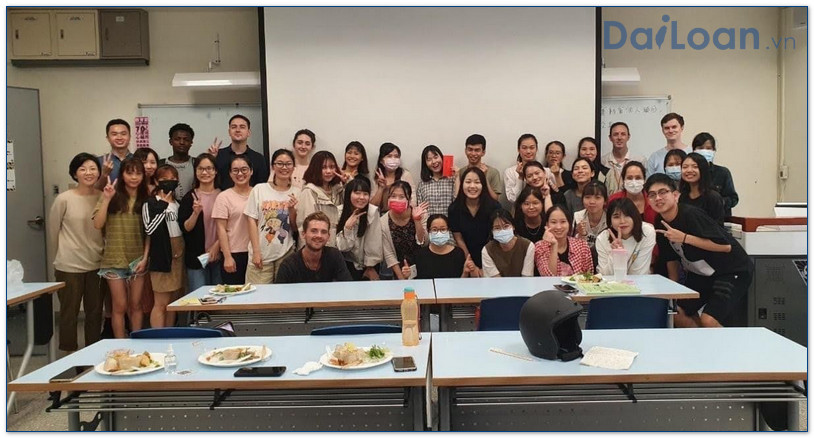
What is 便當 (biàndāng)?
The term 便當 (biàndāng) is a pivotal concept in Chinese cuisine and culture, commonly referenced as ‘bento’ in English. Originating from the Chinese characters that denote convenience and meals combined into a single package, it signifies a ready-made meal, often packed in a box for ease of consumption on the go.
Grammatical Structure of 便當
Understanding the Components
The term 便當 is composed of two characters:
- 便 (biàn)
- 當 (dāng) – This character has several meanings, including ‘to serve as’, ‘to act’, or ‘to fit’. In this context, it highlights the function of the meal as suitable for consumption.

Usage in Context
In grammatical terms, 便當 functions as a noun. It can be modified by adjectives or used in various sentence structures. The flexibility of its usage allows for richness in conversational and written contexts.
Example Sentences Using 便當
Daily Conversations
Here are some example sentences that illustrate the use of 便當 in everyday communication:
- 我今天中午吃了便當。 (Wǒ jīntiān zhōngwǔ chīle biàndāng.) – I had a bento for lunch today.
- 你喜欢什么样的便當? (Nǐ xǐhuān shénme yàng de biàndāng?) – What kind of bento do you like?
- 这个便當做得很好看。 (Zhège biàndāng zuò de hěn hǎokàn.) – This bento is very well made.

In a Cultural Context
Understanding how 便當 is utilized in culture can enhance your grasp of Chinese language and customs. Consider the following examples:
- 今天是野餐的好日子,我们准备了便當。 (Jīntiān shì yěcān de hǎo rìzi, wǒmen zhǔnbèile biàndāng.) – Today is a great day for a picnic; we prepared bento boxes.
- 便當在日本文化中也很流行。 (Biàndāng zài Rìběn wénhuà zhōng yě hěn liúxíng.) – Bento is also very popular in Japanese culture.
Conclusion
With a blend of convenience and cultural significance, 便當 (biàndāng) stands as a beautiful representation of Chinese culinary tradition. Whether enjoyed on a daily basis or cherished during special occasions, it encapsulates how food plays a vital role in our lives. As you continue to learn Chinese, integrating phrases like 便當 into your vocabulary will not only enhance your language skills but also provide insight into the rich tapestry of Chinese culture.


Sứ mệnh của Chuyên là giúp đỡ và truyền cảm hứng cho các bạn trẻ Việt Nam sang Đài Loan học tập, sinh sống và làm việc. Là cầu nối để lan tỏa giá trị tinh hoa nguồn nhân lực Việt Nam đến với Đài Loan và trên toàn cầu.
CÓ THỂ BẠN QUAN TÂM
Du học Đài Loan
Lao Động Đài Loan
Việc Làm Đài Loan
Đơn Hàng Đài Loan
Visa Đài Loan
Du Lịch Đài Loan
Tiếng Đài Loan
KẾT NỐI VỚI CHUYÊN
Zalo: https://zalo.me/0936126566
Website: www.dailoan.vn