


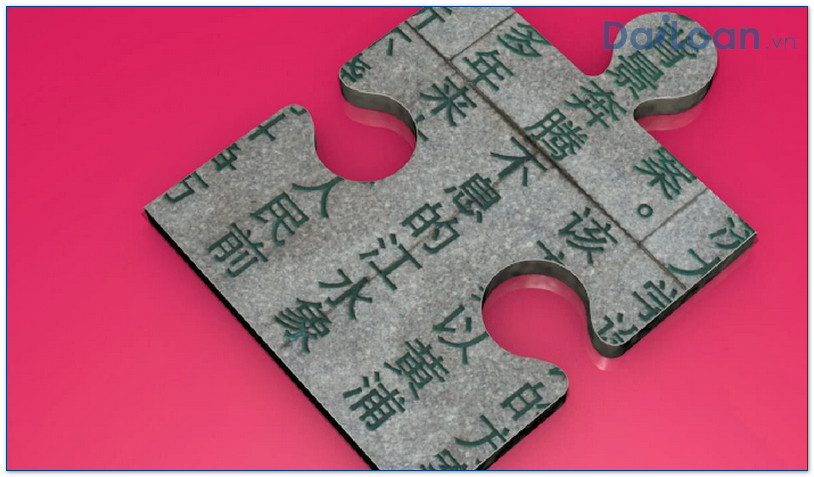
The term 典禮 (diǎn lǐ) holds significant cultural and linguistic importance in the Chinese language. In this article, we will delve deep into the meaning of 典禮, its grammatical structure, and provide example sentences to enhance your understanding. Whether you’re a language enthusiast or a learner, this exploration will be invaluable.

What Does 典禮 (diǎn lǐ) Mean?
典禮 translates to “ceremony” or “rite” in English. It typically refers to formal events or procedures that are performed with great significance, following traditional methods. This can include a wide range of activities such as weddings, graduation ceremonies, religious rites, and memorial services. The term suggests a sense of ritual and tradition, highlighting the cultural importance attached to these activities.
Grammatical Structure of 典禮
Understanding the grammatical structure of 典禮 is essential for its proper usage in sentences. 典禮 is a noun in Chinese, and its usage often involves the following grammatical characteristics:
Noun Usage
As a noun, 典禮 can be the subject or object in a sentence. For example:
- Subject: 典禮是重要的家庭传统。(Diǎn lǐ shì zhòng yào de jiā tíng chuán tǒng.) – The ceremony is an important family tradition.
- Object: 我参加了一个婚礼典禮。(Wǒ cān jiā le yī gè hūn lǐ diǎn lǐ.) – I attended a wedding ceremony.
Modifiers

In terms of modifiers, you can use adjectives or other nouns to specify the type of ceremony. For example,:
- 传统典禮 (chuántǒng diǎn lǐ) – Traditional ceremony.
- 毕业典禮 (bì yè diǎn lǐ) – Graduation ceremony.
Example Sentences Using 典禮
To further illustrate the usage of 典禮, here are some example sentences in various contexts:
Formal Contexts
- 在我们的国家,婚礼典禮是最重要的仪式之一。(Zài wǒmen de guó jiā, hūn lǐ diǎn lǐ shì zuì zhòng yào de yí shì zhī yī.) – In our country, the wedding ceremony is one of the most important rituals.
- 学校将在下个月举行毕业典禮。(Xué xiào jiāng zài xià gè yuè jǔ xíng bì yè diǎn lǐ.) – The school will hold the graduation ceremony next month.
Cultural Contexts
- 春节期间,许多家庭会举行传统典禮。(Chūn jié qī jiān, xǔ duō jiā tíng huì jǔ xíng chuán tǒng diǎn lǐ.) – During the Spring Festival, many families hold traditional ceremonies.
- 纪念典禮是为了缅怀先人。(Jì niàn diǎn lǐ shì wèi le miǎn huái xiān rén.) – The memorial ceremony is held to pay tribute to ancestors.

Informal Contexts
- 我朋友的结婚典禮很有趣。(Wǒ péng yǒu de jié hūn diǎn lǐ hěn yǒu qù.) – My friend’s wedding ceremony was very interesting.
- 他们在公园举办的典禮让我感到温馨。(Tā men zài gōng yuán jǔ bàn de diǎn lǐ ràng wǒ gǎn dào wēn xīn.) – The ceremony they held in the park made me feel warm inside.
Conclusion
In conclusion, the term 典禮 (diǎn lǐ) is a vital part of the Chinese language, encapsulating the essence of rituals and ceremonies that enrich cultural heritage. Understanding its meaning, grammatical structure, and usage in different contexts can greatly enhance your proficiency in the language. By incorporating this knowledge, you will not only communicate more effectively but also appreciate the cultural nuances that 典禮 represents.


Sứ mệnh của Chuyên là giúp đỡ và truyền cảm hứng cho các bạn trẻ Việt Nam sang Đài Loan học tập, sinh sống và làm việc. Là cầu nối để lan tỏa giá trị tinh hoa nguồn nhân lực Việt Nam đến với Đài Loan và trên toàn cầu.
CÓ THỂ BẠN QUAN TÂM
Du học Đài Loan
Lao Động Đài Loan
Việc Làm Đài Loan
Đơn Hàng Đài Loan
Visa Đài Loan
Du Lịch Đài Loan
Tiếng Đài Loan
KẾT NỐI VỚI CHUYÊN
Zalo: https://zalo.me/0936126566
Website: www.dailoan.vn