



In the world of languages, few concepts are as rich and nuanced as the idea of an interview, or 訪談 (fǎng tán) in Chinese. This article aims to unravel the meaning, grammatical structure, and practical applications of this term, making it invaluable for both language learners and enthusiasts.
What is 訪談 (fǎng tán)?
訪談 (fǎng tán) specifically refers to the act of interviewing or engaging in a conversational exchange where information is shared. The character 訪 (fǎng), means ‘to visit’ or ‘to inquire,’ while 談 (tán) means ‘to discuss’ or ‘to talk.’ Together, they create a compelling term that emphasizes the nature of dialogue and inquiry.
Cultural Significance of 訪談
In Chinese culture, interviews and discussions are vital tools for communication. They are not merely for information gathering; they also foster relationships and trust. Understanding 訪談 within this context adds layers to its meaning, showcasing its importance not just as a linguistic term but as a societal interaction.
Grammatical Structure of 訪談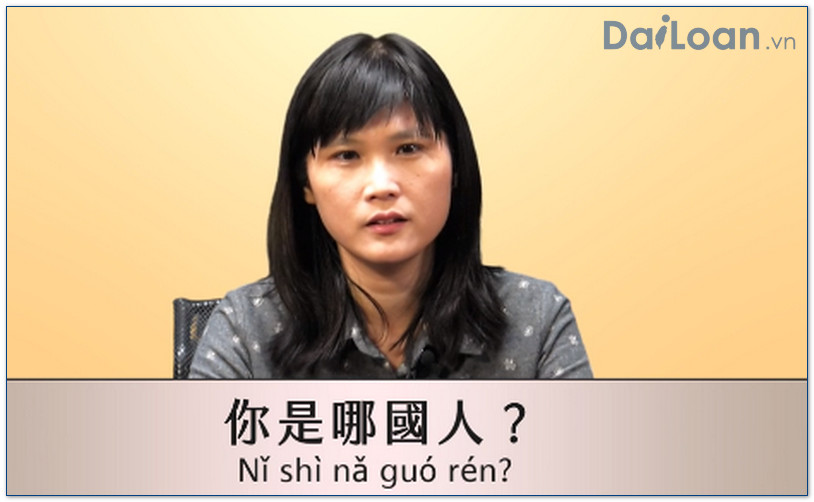

To fully appreciate the term, we must analyze its grammatical components.
Character Breakdown
- 訪 (fǎng) – This character is composed of two parts: the radical 邑 (yì), which represents a city or place, and the character 方 (fāng), meaning direction or square. This structure implies a journey toward a place for inquiry.
- 談 (tán) – Comprised of 言 (yán), meaning ‘speech’, and 談 (tán), referring to conversation or dialogue. This highlights the communicative aspect integral to the term.
Sentence Structure Using 訪談
訪談 functions as a noun in a sentence structure in Mandarin. For instance, it can be the subject, object, or complement:
- Subject:
- Object: 我將參加一個訪談 (wǒ jiāng cān jiā yī gè fǎng tán) – ‘I will participate in an interview.’
- Complement: 這次訪談很成功 (zhè cì fǎng tán hěn chéng gōng) – ‘This interview was very successful.’

Example Sentences Using 訪談
To master a new vocabulary word, it is essential to see it in action. Here are some example sentences with 訪談:
- 他正在進行一次關於環境問題的訪談 (tā zhèng zài jìn xíng yī cì guān yú huán jìng wèn tí de fǎng tán) – ‘He is conducting an interview about environmental issues.’
- 我們計劃在下星期舉行一場訪談 (wǒ men jì huà zài xià xīng qī jǔ xíng yī chǎng fǎng tán) – ‘We plan to hold an interview next week.’
- 這位專家的訪談揭示了很多問題 (zhè wèi zhuān jiā de fǎng tán jiē shì le hěn duō wèn tí) – ‘The expert’s interview revealed many issues.’
Conclusion
Understanding 訪談 (fǎng tán) goes beyond its literal translation; it opens doors to appreciating the nuances of communication in Chinese culture. By mastering its meaning and grammatical structure, and by using it in practical examples, learners can enhance their fluency and confidence in the language.
We encourage you to incorporate 訪談 into your everyday conversations to develop a deeper communication style, which is crucial in both professional and personal interactions.


Sứ mệnh của Chuyên là giúp đỡ và truyền cảm hứng cho các bạn trẻ Việt Nam sang Đài Loan học tập, sinh sống và làm việc. Là cầu nối để lan tỏa giá trị tinh hoa nguồn nhân lực Việt Nam đến với Đài Loan và trên toàn cầu.
CÓ THỂ BẠN QUAN TÂM
Du học Đài Loan
Lao Động Đài Loan
Việc Làm Đài Loan
Đơn Hàng Đài Loan
Visa Đài Loan
Du Lịch Đài Loan
Tiếng Đài Loan
KẾT NỐI VỚI CHUYÊN
Zalo: https://zalo.me/0936126566
Website: www.dailoan.vn