


Many learners of the Chinese language often stumble upon the character 舉 (jǔ). Understanding this character offers a glimpse into the richness of Chinese vocabulary and grammar. In this article, we will explore the meaning of 舉, its grammatical structure, and provide a plethora of example sentences to illustrate its usage.
What Does 舉 (jǔ) Mean?
The character 舉 (jǔ) translates to “to lift,” “to raise,” or “to hold up.” It depicts an action that involves elevation or the act of bringing something upwards or forward. In broader contexts, 舉 is also used in phrases to convey ideas of making a choice or suggestion. Its versatility makes it an essential character in daily Chinese communication.
Breaking Down 舉
舉 is comprised of two parts:
- 手 (shǒu)
- 舉 (jǔ): Functionally, this part conveys the action of raising or lifting.
Thus, 舉 intuitively relates to actions executed through the hands, embodying the physical essence of lifting or raising.
Grammatical Structure of 舉 (jǔ)
In Chinese, 舉 can function as both a verb and in compound expressions. As a verb, it is often used in two primary tenses based on context—past and present—but does not change form as English verbs do. Below are some primary uses:
As a Verb
When used as a verb, 舉 typically stands alone or is followed by objects. The structure follows a Subject + 舉 + Object pattern.
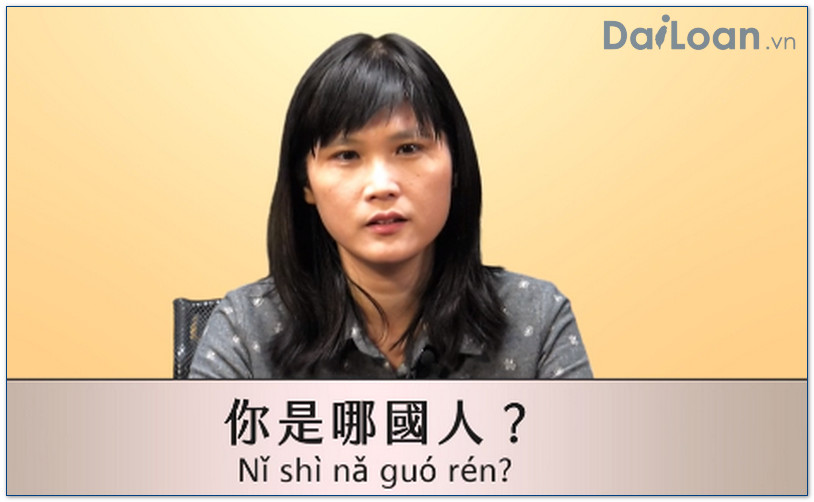
- Example: 我舉手。 (Wǒ jǔ shǒu.) – I raise my hand.

Use in Compound Words
舉 is also commonly seen in various compound structures:
- 舉行 (jǔxíng): To hold or to conduct (an event).
- 舉世 (jǔshì): The entire world.
In such compounds, 舉 retains its essential meaning while expanding the phrase’s context.
Example Sentences Using 舉 (jǔ)
To deepen the understanding of 舉, let’s analyze several practical examples:
Simple Sentence Examples
- 我舉起了這個箱子。(Wǒ jǔqǐle zhège xiāngzi.) – I lifted up this box.
- 他舉手回答問題。(Tā jǔ shǒu huídá wèntí.) – He raised his hand to answer the question.
Complex Sentences
- 在課堂上,老師舉了很多例子來解釋這個概念。(Zài kètáng shàng, lǎoshī jǔle hěnduō lìzi lái jiěshì zhège gàiniàn.) – In class, the teacher raised many examples to explain this concept.
- 如果你有問題,請舉手讓我知道。(Rúguǒ nǐ yǒu wèntí, qǐng jǔ shǒu ràng wǒ zhīdào.) – If you have any questions, please raise your hand to let me know.
The Cultural Significance of 舉 (jǔ)
Understanding characters like 舉 not only enhances language skills but also offers insights into Chinese culture. The character is often associated with positive actions, suggesting readiness and engagement. For instance, to 舉手 (raise a hand) in classroom settings embodies respect and a willingness to participate—a valued trait in Chinese society.
Conclusion
In conclusion, the character 舉 (jǔ) serves as a powerful example of the richness of the Chinese language. Its meanings and grammatical structures provide learners with essential tools for effective communication. By incorporating 舉 into your vocabulary, you are not just learning a word, but also embracing a crucial aspect of Chinese culture and interpersonal interaction.


Sứ mệnh của Chuyên là giúp đỡ và truyền cảm hứng cho các bạn trẻ Việt Nam sang Đài Loan học tập, sinh sống và làm việc. Là cầu nối để lan tỏa giá trị tinh hoa nguồn nhân lực Việt Nam đến với Đài Loan và trên toàn cầu.
CÓ THỂ BẠN QUAN TÂM
Du học Đài Loan
Lao Động Đài Loan
Việc Làm Đài Loan
Đơn Hàng Đài Loan
Visa Đài Loan
Du Lịch Đài Loan
Tiếng Đài Loan
KẾT NỐI VỚI CHUYÊN
Zalo: https://zalo.me/0936126566
Website: www.dailoan.vn