


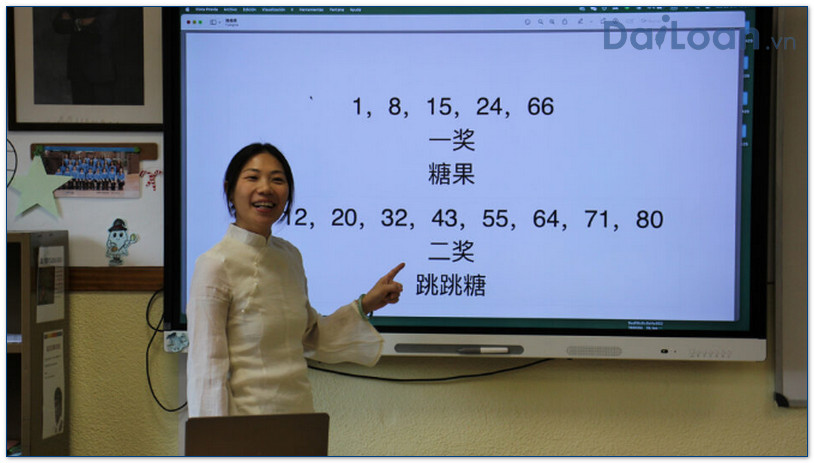
The concept of 自尊 (zì zūn) is essential in understanding human psychology and social interactions in the Chinese-speaking world. In this article, we will delve into the meaning of 自尊, explore its grammatical structure, and provide examples that showcase its usage in sentences. The article is designed to enhance your understanding and application of this important term in both everyday conversations and formal contexts.
What Does 自尊 (zì zūn) Mean?
自尊 (zì zūn) directly translates to “self-esteem” in English. It is derived from two characters: 自 (zì), meaning “self,” and 尊 (zūn), meaning “to esteem” or “to respect.” Together, these characters convey the idea of holding oneself in high regard, reflecting one’s self-worth and dignity.
Understanding Self-Esteem in Various Contexts
In Chinese culture, 自尊 is often associated with personal integrity, social standing, and family honor. It signifies how individuals perceive themselves and their value in both personal and societal contexts. High 自尊 can lead to confidence and assertiveness, while low 自尊 may result in feelings of inadequacy and social withdrawal.
Grammatical Structure of 自尊 (zì zūn)
To fully grasp the usage of 自尊, it’s important to look at its grammatical structure in Mandarin Chinese. 自尊 is a noun that can be used as the subject, object, or complement in a sentence.
Breakdown of Characters
- 自 (zì): This character emphasizes the personal aspect, indicating possession or self-reflection.
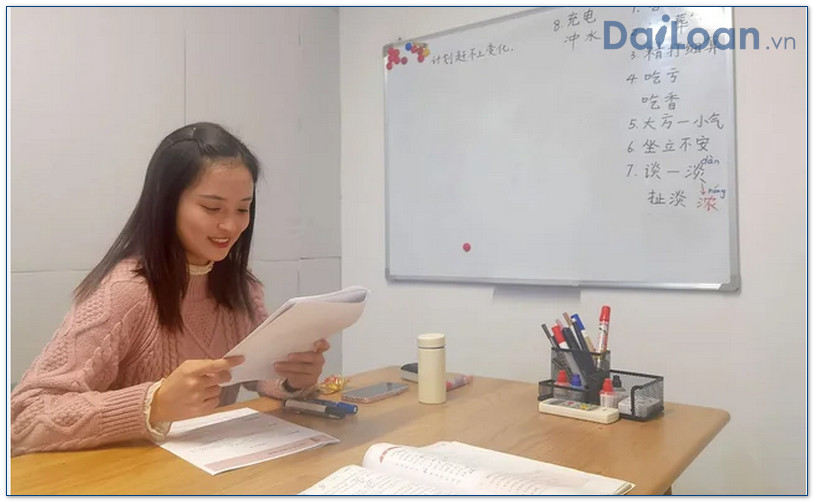
- 尊 (zūn): This character is associated with respect and honor, reflecting how we regard ourselves.

Usage in Sentences
自尊 can be modified by adjectives or used in conjunction with verbs to express different aspects related to self-esteem:
- 高自尊 (gāo zì zūn): High self-esteem
- 低自尊 (dī zì zūn): Low self-esteem
- 损害自尊 (sǔn hài zì zūn): Damage to self-esteem
- 建立自尊 (jiàn lì zì zūn): Build self-esteem
Example Sentences Using 自尊
To further illustrate the term, here are some example sentences incorporating 自尊:
Example 1
他常常因为别人的评价而感到自己的自尊受到伤害。
Tā chángcháng yīnwèi biérén de píngjià ér gǎndào zìjǐ de zìzūn shòudào shānghài.
(He often feels hurt in his self-esteem due to other people’s evaluations.)
Example 2
建立高自尊对青少年的心理健康至关重要。
Jiànlì gāo zìzūn duì qīngshàonián de xīnlǐ jiànkāng zhìguān zhòngyào.
(Building high self-esteem is crucial for the mental health of adolescents.)
Example 3
她努力工作,以证明自己的价值,维护她的自尊。
Tā nǔlì gōngzuò, yǐ zhèngmíng zìjǐ de jiàzhí, wéihù tā de zìzūn.
(She works hard to prove her worth and maintain her self-esteem.)
Example 4
在社交场合中,自尊可以影响人的行为和互动。
Zài shèjiāo chǎnghé zhōng, zìzūn kěyǐ yǐngxiǎng rén de xíngwéi hé hùdòng.
(In social settings, self-esteem can influence a person’s behavior and interactions.)
Conclusion
Understanding 自尊 (zì zūn) is vital for anyone looking to deepen their knowledge of the Chinese language and culture. This concept not only relates to personal self-worth but also influences social interactions and relationships. Through recognizing the significance of self-esteem, individuals can better navigate the complexities of human behavior within various contexts.
By familiarizing yourself with the grammatical structure and practical usage of 自尊, you can enhance your conversations and express nuanced thoughts in both personal and academic settings. The importance of self-esteem cannot be overstated, as it shapes our views, influences our decisions, and affects our overall well-being.


Sứ mệnh của Chuyên là giúp đỡ và truyền cảm hứng cho các bạn trẻ Việt Nam sang Đài Loan học tập, sinh sống và làm việc. Là cầu nối để lan tỏa giá trị tinh hoa nguồn nhân lực Việt Nam đến với Đài Loan và trên toàn cầu.
CÓ THỂ BẠN QUAN TÂM
Du học Đài Loan
Lao Động Đài Loan
Việc Làm Đài Loan
Đơn Hàng Đài Loan
Visa Đài Loan
Du Lịch Đài Loan
Tiếng Đài Loan
KẾT NỐI VỚI CHUYÊN
Zalo: https://zalo.me/0936126566
Website: www.dailoan.vn