


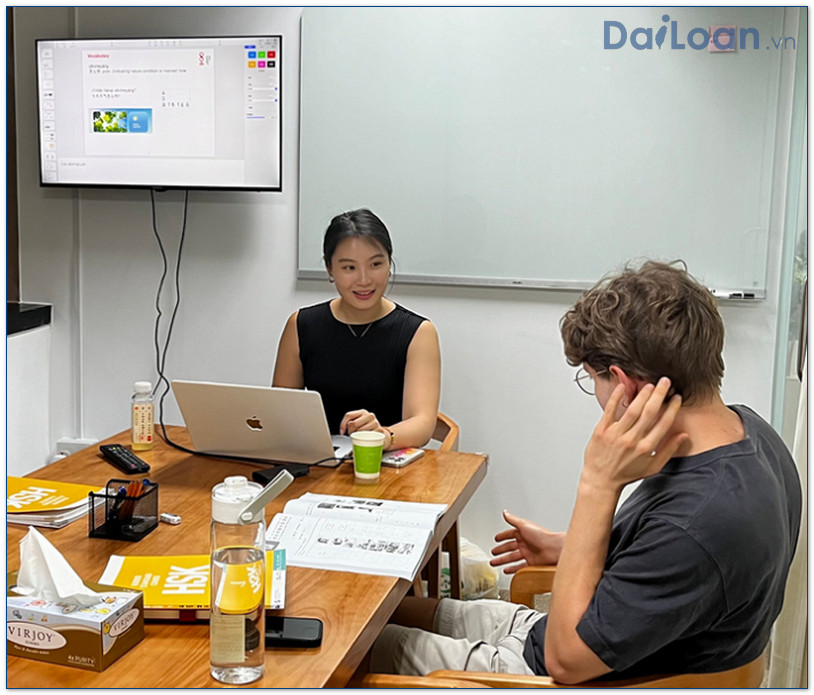
The Chinese term 導師 (dǎo shī) holds significant importance in educational and professional contexts. In this article, we will delve into the meaning of 導師, examine its grammatical structure, and provide example sentences to illustrate its usage. This guide aims to enhance your understanding of this vital term in the Chinese language.
Understanding the Meaning of 導師 (dǎo shī)
In Chinese, the term 導師 is composed of two characters:
- 導 (dǎo): This character means “to guide” or “to lead.” It encompasses the concept of providing direction or assistance.
- 師 (shī): This character translates to “teacher” or “master.” It signifies someone who possesses expertise or knowledge in a particular field.
Together, 導師 (dǎo shī) translates to “mentor” or “instructor,” specifically someone who guides students or professionals through learning and development processes. Found commonly in educational settings, the term can also apply to various situations where guidance and expertise are required.
Grammatical Structure of 導師
The grammatical structure of the term 導師 is quite straightforward:
- Part of Speech: Noun
- Structure: It follows a two-character pattern prevalent in Chinese nouns, with each character contributing to the overall meaning.
In a sentence, 導師 can function as a subject, object, or a complement, depending on the context. For example:
- Subject Usage: 我的導師非常有經驗。 (Wǒ de dǎo shī fēicháng yǒu jīngyàn.) – “My mentor is very experienced.”
- Object Usage:
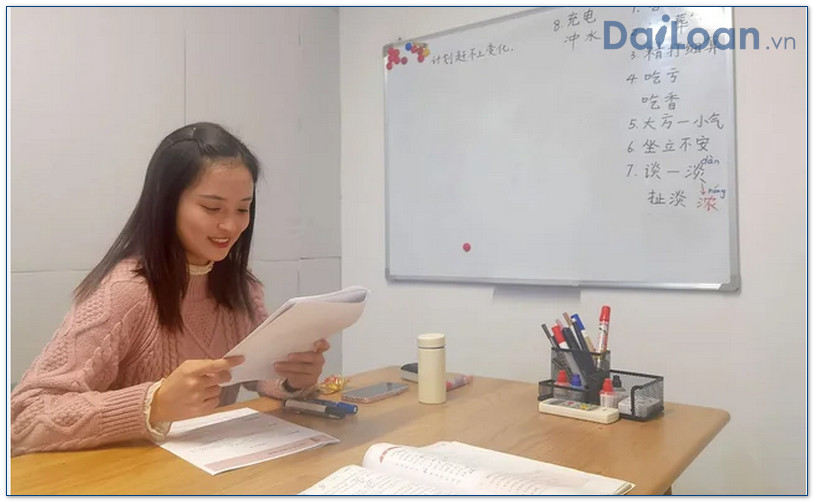
- Complement Usage: 他當選為導師。 (Tā dāngxuǎn wéi dǎo shī.) – “He was elected as the mentor.”

Example Sentences Using 導師
To provide a clearer understanding of how to use 導師 in context, here are several example sentences:
1. In Educational Contexts
- 在學校裡,導師們輔導學生的學習。 (Zài xuéxiào lǐ, dǎo shī men fǔdǎo xuéshēng de xuéxí.) – “In schools, mentors guide students’ learning.”
- 每位導師都有自己獨特的教學風格。 (Měi wèi dǎo shī dōu yǒu zìjǐ dútè de jiàoxué fēnggé.) – “Each mentor has their own unique teaching style.”
2. In Professional Settings
- 在工作中,尋找一位好的導師是非常重要的。 (Zài gōngzuò zhōng, xúnzhǎo yī wèi hǎo de dǎo shī shì fēicháng zhòngyào de.) – “In the workplace, finding a good mentor is very important.”

- 他的導師幫助他獲得了這份工作的機會。 (Tā de dǎo shī bāngzhù tā huòde le zhè fèn gōngzuò de jīhuì.) – “His mentor helped him get this job opportunity.”

3. In Personal Development
- 我決定請一位專業導師來提高我的技能。 (Wǒ juédìng qǐng yī wèi zhuānyè dǎo shī lái tígāo wǒ de jìnéng.) – “I decided to hire a professional mentor to improve my skills.”
- 有時候,一位導師會改變你的整個人生方向。 (Yǒu shíhòu, yī wèi dǎo shī huì gǎibiàn nǐ de zhěnggè rénshēng fāngxiàng.) – “Sometimes, a mentor can change the entire direction of your life.”
Conclusion
The term 導師 (dǎo shī) represents the vital role of mentorship and guidance in both academic and professional realms. Understanding its meaning and grammatical structure allows for better communication and appreciation of the concept within Chinese culture. By incorporating example sentences into your practice, you can effectively use 導師 in everyday conversations, thus enhancing your fluency and comprehension of the language.
Whether you are a student, a professional, or simply a language enthusiast, embracing the significance of 導師 can lead to better learning experiences and personal growth.


Sứ mệnh của Chuyên là giúp đỡ và truyền cảm hứng cho các bạn trẻ Việt Nam sang Đài Loan học tập, sinh sống và làm việc. Là cầu nối để lan tỏa giá trị tinh hoa nguồn nhân lực Việt Nam đến với Đài Loan và trên toàn cầu.
CÓ THỂ BẠN QUAN TÂM
Du học Đài Loan
Lao Động Đài Loan
Việc Làm Đài Loan
Đơn Hàng Đài Loan
Visa Đài Loan
Du Lịch Đài Loan
Tiếng Đài Loan
KẾT NỐI VỚI CHUYÊN
Zalo: https://zalo.me/0936126566
Website: www.dailoan.vn