



The Chinese term 盼望 (pàn wàng) encapsulates a profound sense of longing and hope. In this article, we will delve into its meaning, grammatical structure, and provide various example sentences to showcase its application in everyday conversation. For both learners and enthusiasts of the Chinese language, understanding this term is crucial to grasping the nuances of expressing desire and hope in Mandarin.
The Meaning of 盼望 (pàn wàng)
盼望 (pàn wàng) is a verb that combines two characters: 盼 (pàn), meaning “to long for” or “to yearn,” and 望 (wàng), which translates to “to hope for” or “to expect.” Together, these characters convey an intense emotion related to anticipation and desire for a future event or outcome.
This term is often used when expressing hopes related to personal situations, societal changes, or the well-being of loved ones. It goes beyond mere wishing; it embodies a deep emotional investment in the desired outcome, making it a significant term in both spoken and written Chinese.
The Grammatical Structure of 盼望
In terms of grammatical structure, 盼望 (pàn wàng) functions as a verb in sentences. Its usage can be complemented by various objects, typically indicating what one is longing or hoping for. Here’s a breakdown of how it can be integrated into sentences:
Subject-Verb-Object Structure
In Mandarin, the typical sentence structure is Subject-Verb-Object (SVO). 盼望 (pàn wàng) fits perfectly into this structure.
Example: 我盼望明天的好天气。 (Wǒ pàn wàng míngtiān de hǎo tiānqì.) – “I hope for good weather tomorrow.”
Modifying 盼望 with Adverbs
Adverbs can be placed before the verb to modify the intensity of the longing or hope expressed.
Example: 我非常盼望假期的到来。 (Wǒ fēicháng pàn wàng jiàqī de dào lái.) – “I am really looking forward to the arrival of the holiday.”
Example Sentences Using 盼望
Daily Conversations
To illustrate the practical use of 

- 我盼望能和家人团聚。
(Wǒ pàn wàng néng hé jiārén tuánjù.) – “I hope to reunite with my family.” - 他们盼望世界和平。
(Tāmen pàn wàng shìjiè hépíng.) – “They long for world peace.” - 我们都盼望通过学习提高自己的能力。
(Wǒmen dōu pàn wàng tōngguò xuéxí tígāo zìjǐ de nénglì.) – “We all hope to improve our abilities through studying.” - 学生们盼望考试能顺利进行。
(Xuéshēngmen pàn wàng kǎoshì néng shùnlì jìnxíng.) – “The students hope that the exam can proceed smoothly.”
Expressing Personal Emotions
Here are additional sentences showcasing how 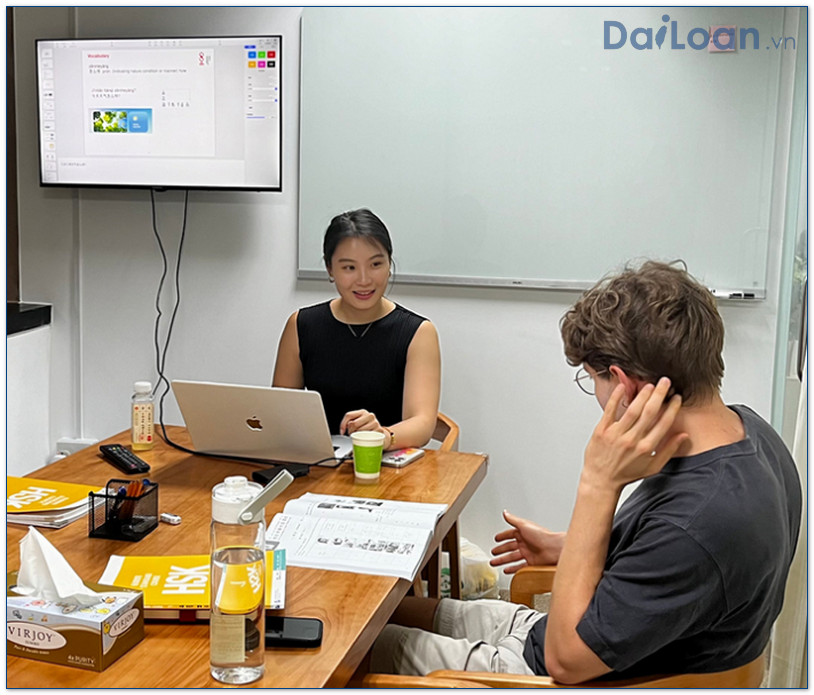

- 我盼望能找到真正的爱情。
(Wǒ pàn wàng néng zhǎodào zhēnzhèng de àiqíng.) – “I hope to find true love.” - 她盼望着能实现自己的梦想。
(Tā pàn wàngzhe néng shíxiàn zìjǐ de mèngxiǎng.) – “She yearns to realize her dreams.” - 在这个艰难的时刻,我们更盼望团结一致。
(Zài zhège jiānnán de shíkè, wǒmen gèng pàn wàng tuánjié yīzhì.) – “In this difficult time, we yearn for unity more than ever.”
Conclusion
In summary, 盼望 (pàn wàng) serves as a powerful verb encapsulating the sentiments of longing and hope that are vital in interpersonal communication within Chinese culture. Understanding its meaning, grammatical structures, and examples can significantly enhance your grasp of emotional expression in Mandarin.
As you continue to explore the beautiful intricacies of the Chinese language, let 盼望 (pàn wàng) be a term that enriches your vocabulary and deepens your understanding of cultural nuance.


Sứ mệnh của Chuyên là giúp đỡ và truyền cảm hứng cho các bạn trẻ Việt Nam sang Đài Loan học tập, sinh sống và làm việc. Là cầu nối để lan tỏa giá trị tinh hoa nguồn nhân lực Việt Nam đến với Đài Loan và trên toàn cầu.
CÓ THỂ BẠN QUAN TÂM
Du học Đài Loan
Lao Động Đài Loan
Việc Làm Đài Loan
Đơn Hàng Đài Loan
Visa Đài Loan
Du Lịch Đài Loan
Tiếng Đài Loan
KẾT NỐI VỚI CHUYÊN
Zalo: https://zalo.me/0936126566
Website: www.dailoan.vn