


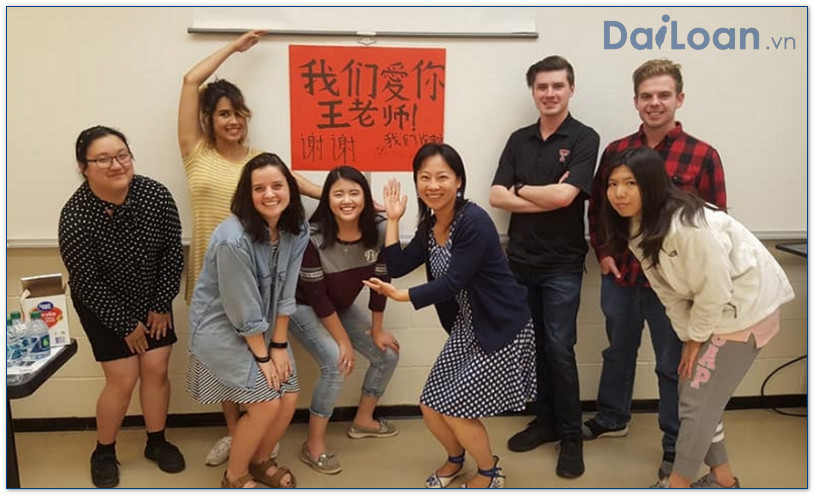
In every culture, greetings are a fundamental aspect of communication. In Chinese, one of the key phrases to convey a greeting is 打招呼 (dǎ zhāo hū). This article will delve into the meaning, grammatical structure, and usage of this phrase, providing you with the tools to enhance your Chinese language skills.
Understanding the Meaning of 打招呼 (dǎ zhāo hū)
打招呼 (dǎ zhāo hū) literally translates to “give a greeting” or “to say hello.” It is a phrase that encompasses various ways of acknowledging someone in both formal and informal contexts. The components of the phrase can be dissected as follows:
- 打 (dǎ) – to hit or to strike, which in this context indicates an action.

- 招呼 (zhāo hū) – to greet or to call someone, often used in expressions of salutation.

Therefore, 打招呼 can be understood as the action of greeting someone, making it a vital part of social interaction in Chinese-speaking environments.
The Grammatical Structure of 打招呼
To comprehend 打招呼 fully, it’s essential to understand its grammatical makeup. The phrase combines a verb and a noun, adhering to the typical Subject-Verb-Object (SVO) structure common in Mandarin Chinese.
1. Components Breakdown
- 打 (dǎ): A verb indicating action.
- 招呼 (zhāo hū): A noun referring to the act of greeting.
2. Sentence Structure
When using 打招呼 in sentences, one can structure it simply. For instance:
- Subject + 打招呼 + Object
- Example: 我打招呼给他。(Wǒ dǎ zhāo hū gěi tā.) – I greet him.
Example Sentences Using 打招呼
To better illustrate the use of 打招呼, here are several example sentences:

1. Informal Contexts
- 你帮我打招呼吧。(Nǐ bāng wǒ dǎ zhāo hū ba.) – Can you greet for me?
- 我见到朋友时总是打招呼。(Wǒ jiàn dào péngyǒu shí zǒng shì dǎ zhāo hū.) – I always greet friends when I see them.
2. Formal Contexts
- 在商务会议上,打招呼是第一步。(Zài shāngwù huìyì shàng, dǎ zhāo hū shì dì yī bù.) – Greeting is the first step in a business meeting.
- 请大家在会议上打招呼。(Qǐng dàjiā zài huìyì shàng dǎ zhāo hū.) – Please greet everyone at the meeting.
3. Cultural Significance
打招呼 plays a vital role in Chinese culture as it reflects respect and acknowledgment. It often serves as a social lubricant that can ease the way into more profound interactions.
Conclusion
Understanding the phrase 打招呼 (dǎ zhāo hū) not only enhances your language skills but also enriches your cultural knowledge. Whether in casual or formal settings, mastering this greeting can help you connect better with Chinese speakers. Start incorporating it into your vocabulary, and you will appreciate the warmth and tradition that this simple act of greeting embodies.


Sứ mệnh của Chuyên là giúp đỡ và truyền cảm hứng cho các bạn trẻ Việt Nam sang Đài Loan học tập, sinh sống và làm việc. Là cầu nối để lan tỏa giá trị tinh hoa nguồn nhân lực Việt Nam đến với Đài Loan và trên toàn cầu.
CÓ THỂ BẠN QUAN TÂM
Du học Đài Loan
Lao Động Đài Loan
Việc Làm Đài Loan
Đơn Hàng Đài Loan
Visa Đài Loan
Du Lịch Đài Loan
Tiếng Đài Loan
KẾT NỐI VỚI CHUYÊN
Zalo: https://zalo.me/0936126566
Website: www.dailoan.vn