



Welcome to our exploration of the Chinese term 理想 (lǐ xiǎng). As one of the fundamental concepts in Chinese culture, understanding its meaning, grammatical structure, and usage in sentences can significantly enhance your language skills. In this article, we will uncover the layers of meaning behind 理想, analyze its grammatical aspects, and provide practical examples to demonstrate its use in context.
Understanding the Meaning of 理想 (lǐ xiǎng)
The term 理想 is composed of two characters: 理 (lǐ) and 想 (xiǎng). The character 理 translates to “reason,” “logic,” or “principle,” while 想 translates to “to think,” “to dream,” or “to imagine.” Together, 理想 signifies a concept that embodies ideals, aspirations, or dreams that one strives to achieve. It encompasses the vision of an ideal state or condition that drives personal and societal progress.
Cultural Significance of 理想
In the context of Chinese culture, 理想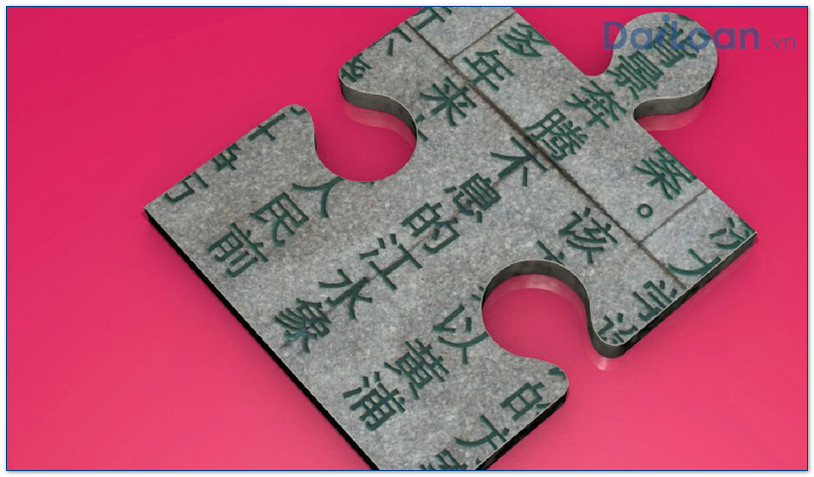

Grammatical Structure of 理想
高理想 (gāo lǐ xiǎng) or “high ideals” and 追求理想 (zhuīqiú lǐ xiǎng) or “pursuing ideals” are common phrases that demonstrate its grammatical versatility. Here’s a breakdown of its structure:
- Part of Speech: 理想 is primarily used as a noun.
- Usage: It can function as the subject or object in a sentence.
- Modifiers: 可以是形容词/副词修饰 (can be modified by adjectives/adverbs), for example, ‘伟大的理想’ (wěidà de lǐxiǎng) means “great ideals.”
Example Sentences Using 理想
To provide a clearer understanding, let’s examine several example sentences that utilize 理想:
1. Expressing Personal Aspirations

我有一个理想,就是成为一名医生。
(Wǒ yǒu yīgè lǐxiǎng, jiùshì chéngwéi yī míng yīshēng.)
Translation: I have a dream, which is to become a doctor.
2. Discussing Societal Goals
实现我们的理想需要团结合作。
(Shíxiàn wǒmen de lǐxiǎng xūyào tuánjié hézuò.)
Translation: Achieving our ideals requires unity and cooperation.
3. Philosophical Reflections
每个人的理想都不尽相同。
(Měi gèrén de lǐxiǎng dōu bù jìn xiāngtóng.)
Translation: Everyone’s ideals are not the same.
4. Inspirational Context
保持理想,不要放弃。
(Bǎochí lǐxiǎng, bùyào fàngqì.)
Translation: Hold on to your ideals; don’t give up.
Conclusion
理想 (lǐ xiǎng) encapsulates much more than a mere definition; it represents values, goals, and the innate human desire to reach for something greater. Whether you are a language learner or an enthusiast of Chinese culture, understanding this concept can deepen your appreciation for the language and the thoughts it conveys. We hope this exploration of 理想 has enriched your knowledge and inspired you to further pursue your learning journey in Chinese.


Sứ mệnh của Chuyên là giúp đỡ và truyền cảm hứng cho các bạn trẻ Việt Nam sang Đài Loan học tập, sinh sống và làm việc. Là cầu nối để lan tỏa giá trị tinh hoa nguồn nhân lực Việt Nam đến với Đài Loan và trên toàn cầu.
CÓ THỂ BẠN QUAN TÂM
Du học Đài Loan
Lao Động Đài Loan
Việc Làm Đài Loan
Đơn Hàng Đài Loan
Visa Đài Loan
Du Lịch Đài Loan
Tiếng Đài Loan
KẾT NỐI VỚI CHUYÊN
Zalo: https://zalo.me/0936126566
Website: www.dailoan.vn