



Introduction to 宝岛 (bǎo dǎo)
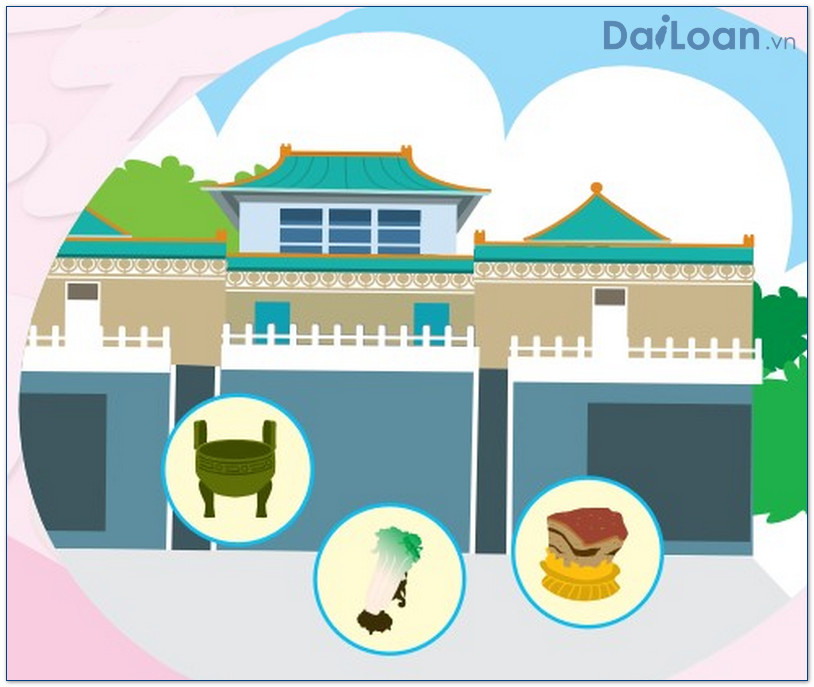
宝岛 (bǎo dǎo) translates to “Treasure Island” in English and is a term commonly associated with Taiwan. It reflects the island’s rich cultural heritage, beautiful landscapes, and vibrant history. This article delves into the meaning, grammatical structure, and practical usage of 宝岛 in various contexts.
Understanding the Meaning of 宝岛 (bǎo dǎo)
In Chinese, 宝 (bǎo) means “treasure,” while 岛 (dǎo) means “island.” Therefore, 宝岛 effectively conveys the idea of an island that is valued and cherished. This term is often used affectionately to describe Taiwan, underlining both its natural beauty and cultural richness.
Cultural Significance
The term 宝岛 not only signifies geographical space; it embodies a sense of national pride and affection among the people of Taiwan. It reflects a collective appreciation for the island’s resources, heritage, and sense of identity.
Grammatical Structure of 宝岛
宝岛 (bǎo dǎo) consists of two characters, each with its own meaning and grammatical role:
- 宝 (bǎo): This character acts as a noun modifier, attributing the quality of “treasure” or “preciousness” to whatever noun it describes.
- 岛 (dǎo): This character functions as a noun, indicating a geographical feature, specifically an “island.”
The combination of these two characters forms a compound noun (宝岛), showcasing the beauty of Chinese language structure, where meaning is derived from the interplay between individual characters.
Example Sentences Using 宝岛 (bǎo dǎo)
To further illustrate the usage of 宝岛, here are some example sentences:
Daily Conversation Examples
- 我们计划明年去宝岛旅行。 (Wǒmen jìhuà míngnián qù bǎodǎo lǚxíng.) – “We plan to travel to Treasure Island (Taiwan) next year.”
- 在宝岛上,你可以找到许多美丽的风景。 (Zài bǎodǎo shàng, nǐ kěyǐ zhǎodào xǔduō měilì de fēngjǐng.) – “On Treasure Island, you can find many beautiful landscapes.”
Literary Usage
- 宝岛是中华文化的重要部分。 (Bǎodǎo shì Zhōnghuá wénhuà de zhòngyào bùfèn.) – “Treasure Island is an important part of Chinese culture.”
- 他对宝岛的历史充满了好奇。 (Tā duì bǎodǎo de lìshǐ chōngmǎn le hàoqí.) – “He is full of curiosity about the history of Treasure Island.”

Conclusion
宝岛 (bǎo dǎo) is more than just a geographic descriptor; it represents a deep connection to culture, identity, and pride for many people, particularly those from Taiwan. Understanding its meaning and structure enriches our appreciation of the Chinese language and the cultural narratives it conveys. Whether used in casual conversation or literary contexts, 宝岛 continues to resonate with many as a symbol of beauty and heritage.



Sứ mệnh của Chuyên là giúp đỡ và truyền cảm hứng cho các bạn trẻ Việt Nam sang Đài Loan học tập, sinh sống và làm việc. Là cầu nối để lan tỏa giá trị tinh hoa nguồn nhân lực Việt Nam đến với Đài Loan và trên toàn cầu.
CÓ THỂ BẠN QUAN TÂM
Du học Đài Loan
Lao Động Đài Loan
Việc Làm Đài Loan
Đơn Hàng Đài Loan
Visa Đài Loan
Du Lịch Đài Loan
Tiếng Đài Loan
KẾT NỐI VỚI CHUYÊN
Zalo: https://zalo.me/0936126566
Website: www.dailoan.vn