



Understanding the Meaning of 採訪 (cǎi fǎng)
The Chinese term 採訪 (cǎi fǎng) translates to “interview” in English. This word is commonly used in the context of journalism, research, and media where an individual questions someone to gather information. The first character, 採 (cǎi), means “to collect” or “to gather,” while the second character, 訪 (fǎng), means “to visit” or “to inquire.” Together, they encapsulate the idea of gathering information through direct inquiry.
Grammatical Structure of 採訪
In terms of grammatical structure, 採訪 (cǎi fǎng) is a compound noun formed from two verbs. Here’s a breakdown:
- 採 (cǎi): This character functions as a verb meaning “to pick” or “to gather,” and can also refer to the act of interviewing in various contexts.
- 訪 (fǎng): This character is applied as a verb meaning “to visit” or “to inquire,” indicating the action of questioning or seeking information.
When combined, the structure signifies the active process of collecting information through inquiry. Thus, it functions as a noun but retains its verbal essence, showcasing the dynamic nature of the action of interviewing.
Example Sentences Using 採訪
To deepen your understanding, let’s explore some examples of how to use 採訪 (cǎi fǎng) in sentences:
Example 1: Context of Journalism
在報社工作的我經常進行採訪。
Translation: I often conduct interviews as someone who works in a newspaper.
Example 2: Academic Research
她為了她的論文,採訪了許多專家。
Translation: She interviewed many experts for her thesis.
Example 3: Personal Experience
我昨天採訪了一位著名的作家。
Translation: I interviewed a famous author yesterday.
Example 4: In a Formal Setting
採訪必須在沒有干擾的環境中進行。
Translation: Interviews must be conducted in a distraction-free environment.
Related Vocabulary and Expressions
When discussing 採訪 (cǎi fǎng), other related terms may also enrich your vocabulary:
- 採訪者 (cǎi fǎng zhě): Interviewer
- 受訪者 (shòu fǎng zhě): Interviewee
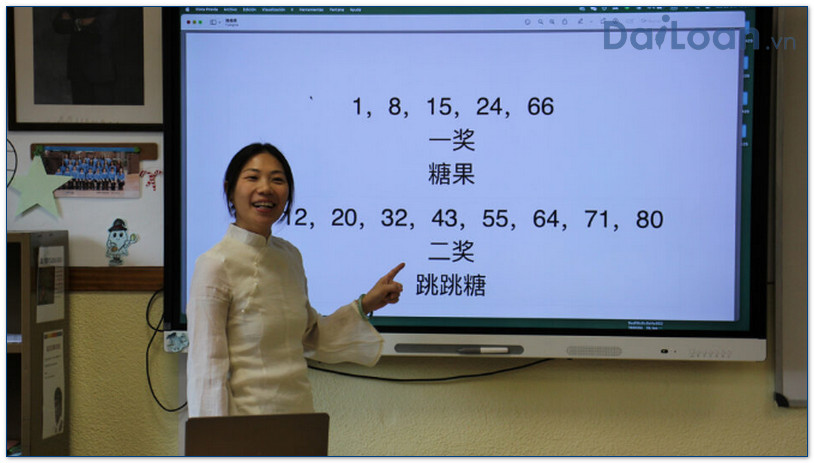
- 訪問 (fǎng wèn): Visit or interview
- 調查 (diào chá)


Conclusion
Understanding the term 採訪 (cǎi fǎng) is essential for anyone interested in the fields of journalism, research, or effective communication in Chinese. As you continue to explore and employ this term, you’ll find it woven into the fabric of many conversations and contexts. By mastering its meaning, grammatical structure, and applicable examples, you can enhance your fluency and confidence in the Chinese language.


Sứ mệnh của Chuyên là giúp đỡ và truyền cảm hứng cho các bạn trẻ Việt Nam sang Đài Loan học tập, sinh sống và làm việc. Là cầu nối để lan tỏa giá trị tinh hoa nguồn nhân lực Việt Nam đến với Đài Loan và trên toàn cầu.
CÓ THỂ BẠN QUAN TÂM
Du học Đài Loan
Lao Động Đài Loan
Việc Làm Đài Loan
Đơn Hàng Đài Loan
Visa Đài Loan
Du Lịch Đài Loan
Tiếng Đài Loan
KẾT NỐI VỚI CHUYÊN
Zalo: https://zalo.me/0936126566
Website: www.dailoan.vn