


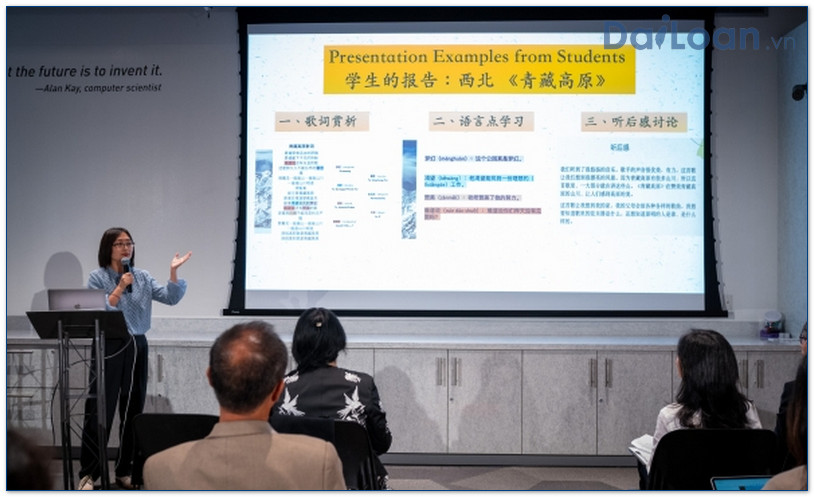
In the vast and intricate tapestry of the Chinese language, certain words resonate deeply within its culture and philosophy. One such word is 自由 (zìyóu), meaning “freedom” or “liberty.” This article aims to explore the profound significance of 自由, its grammatical structure, and its usage through a variety of examples.
Understanding the Meaning of 自由 (zìyóu)

The term 自由 is composed of two characters: 自 (zì), which means “self,” and 由 (yóu), which means “to follow” or “to cause.” Together, they convey the idea of freedom as being the ability to act according to one’s own will, without constraint or coercion. In this context, 自由 embodies not just personal liberty but also a deeper philosophical concept of autonomy and self-determination.
Grammatical Structure of 自由
In Chinese, 自由 serves primarily as a noun, describing a state of being free. In some contexts, it can also function adjectivally when describing freedom as a characteristic or quality.
Noun Usage
As a noun, 自由 can stand alone or be modified by adjectives. For instance, it can appear in sentences where it denotes a state or condition:
- 他追求自由。(Tā zhuīqiú zìyóu.) – He pursues freedom.
Adjective Usage
When used as an adjective, 自由 can precede a noun to describe something as free:
- 自由市场 (zìyóu shìchǎng) – free market.
Measure Words
In some contexts, 自由 may be used with measure words, especially when talking about different kinds of freedom. The measure word 个 (gè) is commonly used:
- 我们有很多种自由。(Wǒmen yǒu hěn duō zhǒng zìyóu.) – We have many kinds of freedom.


Example Sentences Using 自由
To better understand the use of 自由 in various contexts, here are some example sentences:
1. Expressing the Concept of Freedom
- 每个人都应该享有自由。
(Měi gèrén dōu yīnggāi xiǎngyǒu zìyóu.) – Everyone should enjoy freedom.
2. Discussing Restrictions on Freedom
- 在某些国家,自由受到限制。
(Zài mǒuxiē guójiā, zìyóu shòudào xiànzhì.) – In some countries, freedom is restricted.
3. Freedom in Arts and Expression
- 艺术创作需要自由。
(Yìshù chuàngzuò xūyào zìyóu.) – Artistic creation requires freedom.
4. Philosophical Reflections
- 自由是一种内心的状态。
(Zìyóu shì yī zhǒng nèixīn de zhuàngtài.) – Freedom is a state of mind.
Conclusion
In conclusion, 自由 (zìyóu) is more than just a simple term; it encapsulates a fundamental human desire for autonomy and self-expression. Understanding its grammatical structure and usage in context enriches our appreciation for this vital concept in both language and culture. As language learners and enthusiasts, grasping terms like 自由 paves the way for deeper engagement with the nuances of the Chinese language and its rich philosophical heritage.


Sứ mệnh của Chuyên là giúp đỡ và truyền cảm hứng cho các bạn trẻ Việt Nam sang Đài Loan học tập, sinh sống và làm việc. Là cầu nối để lan tỏa giá trị tinh hoa nguồn nhân lực Việt Nam đến với Đài Loan và trên toàn cầu.
CÓ THỂ BẠN QUAN TÂM
Du học Đài Loan
Lao Động Đài Loan
Việc Làm Đài Loan
Đơn Hàng Đài Loan
Visa Đài Loan
Du Lịch Đài Loan
Tiếng Đài Loan
KẾT NỐI VỚI CHUYÊN
Zalo: https://zalo.me/0936126566
Website: www.dailoan.vn