


In the exploration of the Chinese language, understanding individual words can greatly enrich our comprehension and usage. Today, we delve into the word 王子 (wáng zǐ), which translates to “prince” in English.
What Does 王子 (wáng zǐ) Mean?
The term 王子 (wáng zǐ)

Grammatical Structure of 王子 (wáng zǐ)
1. Components of the Term
Understanding the grammatical structure of 王子 (wáng zǐ) involves looking at each character:
- 王 (wáng): This character can function as both a noun and a part of a compound. As a noun, it denotes a king, and in compounds, it often pertains to royalty.
- 子 (zǐ): This character typically represents “child” or “son.” In various contexts, it can also denote a person of noble birth when paired with other words.
2. Usage in Sentences
In Chinese grammar, the structure of a noun phrase such as 王子 (wáng zǐ) fits into sentences quite flexibly. For instance, it can serve as the subject, object, or complement. Here are the syntactic roles illustrated in various examples:
Example Sentences Using 王子 (wáng zǐ)
1. As the Subject
王子在城堡里。 (Wáng zǐ zài chéngbǎo lǐ.)
Translation: “The prince is in the castle.”
2. As the Object
她爱王子。 (Tā ài wáng zǐ.)
Translation: “She loves the prince.”
3. In Questions
王子是什么样的人? (Wáng zǐ shì shénme yàng de rén?)
Translation: “What kind of person is the prince?”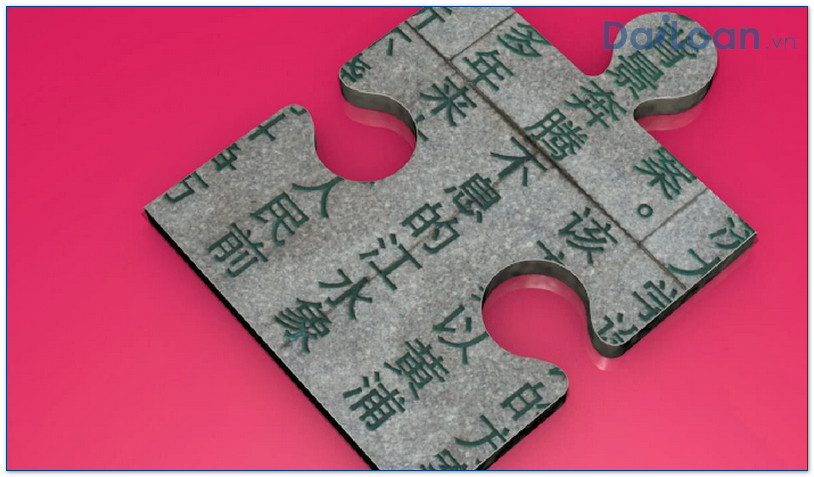

4. As Part of a Comparative Phrase
他比王子更聪明。 (Tā bǐ wáng zǐ gèng cōngmíng.)
Translation: “He is smarter than the prince.”
Cultural Significance of 王子 (wáng zǐ)
The word 王子 (wáng zǐ) transcends mere linguistic function; it symbolizes a bridging of history, culture, and societal structure. In traditional Chinese stories and modern narratives, the concept of the prince often embodies qualities such as bravery, leadership, and romance.
Conclusion
In this article, we explored the multifaceted meaning of 王子 (wáng zǐ), its grammatical structure, and provided various example sentences that demonstrate its usage in the Chinese language. By understanding such terms, learners of Chinese can appreciate not only the language but also the cultural context that shapes it.

Whether you are diving into the intricacies of the language or are simply curious about its rich vocabulary, 王子 (wáng zǐ) offers a glimpse into the nobility of Chinese linguistics and the importance of heritage in word usage.


Sứ mệnh của Chuyên là giúp đỡ và truyền cảm hứng cho các bạn trẻ Việt Nam sang Đài Loan học tập, sinh sống và làm việc. Là cầu nối để lan tỏa giá trị tinh hoa nguồn nhân lực Việt Nam đến với Đài Loan và trên toàn cầu.
CÓ THỂ BẠN QUAN TÂM
Du học Đài Loan
Lao Động Đài Loan
Việc Làm Đài Loan
Đơn Hàng Đài Loan
Visa Đài Loan
Du Lịch Đài Loan
Tiếng Đài Loan
KẾT NỐI VỚI CHUYÊN
Zalo: https://zalo.me/0936126566
Website: www.dailoan.vn