



Understanding the nuances of Chinese vocabulary can greatly enhance your language skills. Today, we delve into the word 手臂 (shǒu bì), which translates to “arm” in English. In this article, we will explore its meaning, grammatical structure, and provide you with example sentences to illustrate its usage in daily conversation.
What Does 手臂 (shǒu bì) Mean?
In Mandarin, 手臂 consists of two characters: 手 (shǒu), which means “hand,” and 臂 (bì), which means “arm” or “upper arm.” Therefore, 手臂 specifically refers to the arm as a whole, encompassing both the upper and forearms. The term is commonly used in both formal and informal contexts, making it an essential vocabulary word for learners of Mandarin.
Grammatical Structure of 手臂
Chinese, unlike many Western languages, often relies on character combinations to convey specific meanings. The word 手臂 functions as a noun and can be used in various grammatical forms.
Breakdown of the Characters

- 手 (shǒu): This character refers to the hand. It provides the context that relates to physical manipulation and actions associated with the hand.
- 臂 (bì): This character denotes the arm, particularly the upper arm. It is often used in contexts that require differentiation from the hand.
Usage in Sentences
As a noun, 手臂 (shǒu bì)
Example Sentences Using 手臂
Simple Sentences
- 我在运动时摔倒了,伤了我的手臂。
(Wǒ zài yùndòng shí shuāi dǎo le, shāng le wǒ de shǒu bì.)
Translation: I fell while exercising and injured my arm. - 她的手臂很瘦,看起来很苗条。
(Tā de shǒu bì hěn shòu, kàn qǐ lái hěn miáo tiáo.)
Translation: Her arms are slim and look very slender.
Complex Sentences
- 如果你在 lifting weights 时不注意,你可能会伤到手臂。
(Rúguǒ nǐ zài lifting weights shí bù zhùyì, nǐ kěnéng huì shāng dào shǒu bì.)
Translation: If you are not careful while lifting weights, you may injure your arm. - 运动员在比赛中用力过猛,导致手臂受伤。
(Yùndòngyuán zài bǐsài zhōng yònglì guò měng, dǎo zhì shǒu bì shòushāng.)
Translation: The athlete exerted too much force during the competition, resulting in an arm injury.
Expressions and Collocations
In addition to simple and complex sentences, 手臂 (shǒu bì) appears in various expressions and collocations: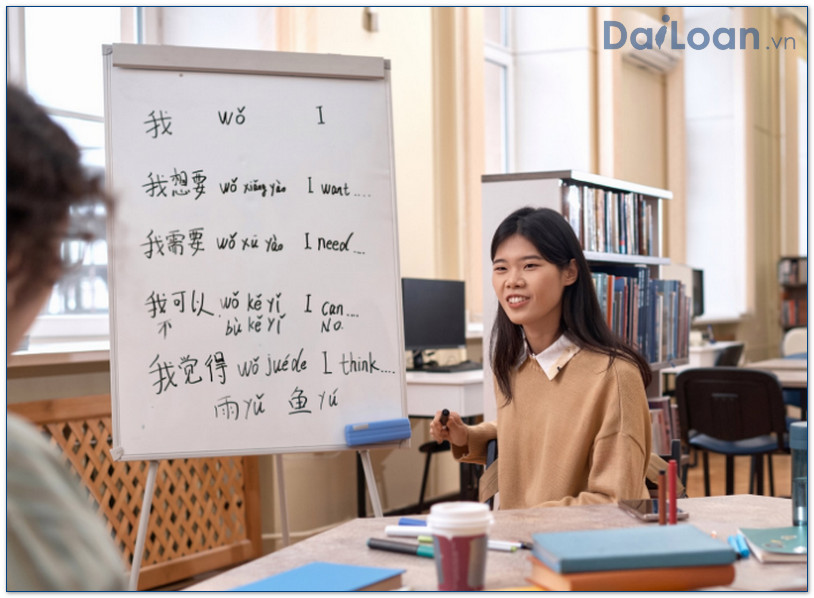

- 手臂力量 (shǒu bì lìliàng): Arm strength
- 手臂运动 (shǒu bì yùndòng): Arm exercises
- 手臂疲劳 (shǒu bì pí láo): Arm fatigue
Conclusion
In conclusion, understanding the meaning, grammatical structure, and usage of 手臂 (shǒu bì) can significantly enhance your Mandarin language skills. By incorporating this vocabulary into your speaking and writing, you will find yourself better equipped to communicate effectively. Engaging with native speakers and practicing through conversation can further cement your understanding. We hope this exploration of 手臂 has provided you with valuable insights into the Chinese language and culture.


Sứ mệnh của Chuyên là giúp đỡ và truyền cảm hứng cho các bạn trẻ Việt Nam sang Đài Loan học tập, sinh sống và làm việc. Là cầu nối để lan tỏa giá trị tinh hoa nguồn nhân lực Việt Nam đến với Đài Loan và trên toàn cầu.
CÓ THỂ BẠN QUAN TÂM
Du học Đài Loan
Lao Động Đài Loan
Việc Làm Đài Loan
Đơn Hàng Đài Loan
Visa Đài Loan
Du Lịch Đài Loan
Tiếng Đài Loan
KẾT NỐI VỚI CHUYÊN
Zalo: https://zalo.me/0936126566
Website: www.dailoan.vn