



The term 服飾 (fú shì) holds a special place in the Chinese language as it denotes clothing and apparel. This article delves into the meaning, grammatical structure, and provides example sentences to enhance your understanding of this essential term.
Understanding 服飾 (fú shì)
Meaning of 服飾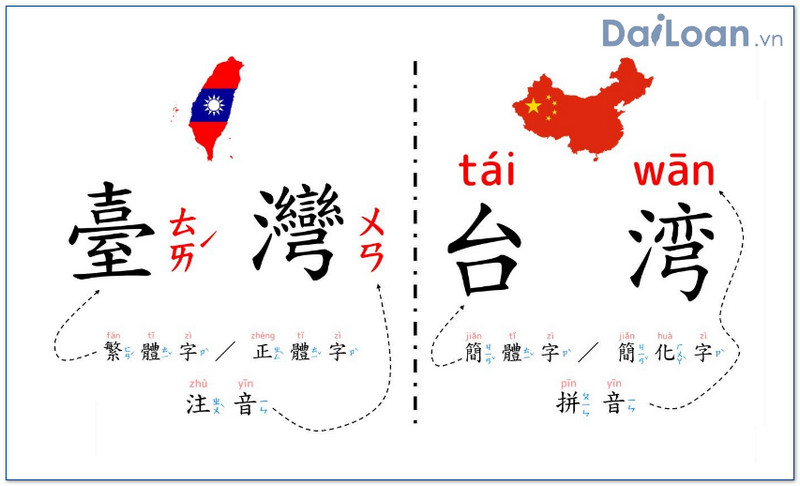

服飾 (fú shì) is a compound word in Mandarin Chinese where 服 (fú) means ‘clothing’ or ‘dress,’ and 飾 (shì) refers to ‘decoration’ or ‘ornament.’ Therefore, the term can be translated as ‘clothing and adornments.’ It encompasses a wide range of attire, including casual wear, formal clothing, and various accessories.
Cultural Significance of 服飾
In Chinese culture, 服飾 is not just about covering the body; it reflects personal style, social status, and cultural heritage. Traditional garments like the qipao (旗袍) and hanfu (汉服) showcase historical significance and are often worn during special occasions. Understanding 服飾 is essential for anyone looking to grasp Chinese culture deeply.
Grammatical Structure of 服飾
Analysis of 服飾
Grammatically, 服飾 is a noun in Chinese. It can be used both in singular and plural contexts without any changes since Chinese nouns do not inflect for number. The structure illustrates how two individual characters can combine to form a composite meaning.
Using 服飾 in Sentences
To fully grasp the usage of 服飾, it is beneficial to see it in example sentences:
- 我喜欢购买新的服飾。(Wǒ xǐhuān gòumǎi xīn de fú shì.) – I like to buy new clothing.
- 她的服飾非常时尚。(Tā de fú shì fēicháng shíshàng.) – Her clothing is very fashionable.
- 这个商店卖各种不同的服飾。(Zhège shāngdiàn mài gè zhǒng bùtóng de fú shì.) – This store sells a variety of different clothing.

Practical Applications of 服飾
In Everyday Conversations
When learning Chinese, knowing how to use 服飾 in daily dialogues can improve conversational skills. For instance, you might hear:
- 你喜欢哪种类型的服飾?(Nǐ xǐhuān nǎ zhǒng lèixíng de fú shì?) – What type of clothing do you like?
- 在这次聚会上,她穿了很漂亮的服飾。(Zài zhè cì jùhuì shàng, tā chuānle hěn piàoliang de fú shì.) – At this gathering, she wore beautiful clothing.
In the Context of Fashion
The term 服飾 is particularly relevant in discussions about fashion and style. Understanding this term allows learners to engage in meaningful conversations about trends and personal preferences in clothing.
Conclusion
In conclusion, 服飾 (fú shì) is a vital term in Chinese that encapsulates not only clothing but also the cultural aspects associated with it. Mastering its meaning, grammatical structure, and application can greatly enrich one’s Mandarin vocabulary and enhance cultural understanding. Whether for everyday conversation or deeper cultural insights, 服飾 plays a crucial role in the tapestry of Chinese language and culture.


Sứ mệnh của Chuyên là giúp đỡ và truyền cảm hứng cho các bạn trẻ Việt Nam sang Đài Loan học tập, sinh sống và làm việc. Là cầu nối để lan tỏa giá trị tinh hoa nguồn nhân lực Việt Nam đến với Đài Loan và trên toàn cầu.
CÓ THỂ BẠN QUAN TÂM
Du học Đài Loan
Lao Động Đài Loan
Việc Làm Đài Loan
Đơn Hàng Đài Loan
Visa Đài Loan
Du Lịch Đài Loan
Tiếng Đài Loan
KẾT NỐI VỚI CHUYÊN
Zalo: https://zalo.me/0936126566
Website: www.dailoan.vn