



Are you curious about the Chinese character 讚 (zàn)? This article delves into its meaning, grammatical structure, and provides example sentences to enhance your understanding. Whether you’re a language learner or simply interested in Chinese culture, understanding 讚 will enrich your knowledge.
Understanding the Meaning of 讚 (zàn)
讚 (zàn) translates to “to praise,” “to commend,” or “to appreciate.” It carries connotations of affirming something positive, expressing approval, or showing admiration. This character is often used in both formal and informal contexts, making it versatile in everyday language.
Glossary of 讚 (zàn)
In addition to its primary definition, 讚 may also imply:
- To applaud or celebrate someone’s achievements.
- A statement of approval or support.
- Emotive expressions of joy and satisfaction.
Grammatical Structure of 讚 (zàn)
Grammatically, 讚 is often used as a verb. It can stand alone or be combined with other words to form phrases that convey varying degrees of praise or admiration.
Verb Structure
As a verb, 讚 can be used in different tenses, but primarily, it appears in the present tense to express ongoing praise:

- 我讚你!(Wǒ zàn nǐ!) – “I praise you!”
Usage in Phrasal Constructs
讚 can also be part of longer phrases, allowing for greater expression. For example:
- 我非常讚賞你的努力。(Wǒ fēicháng zànshǎng nǐ de nǔlì.) – “I really appreciate your effort.”
Example Sentences Using 讚 (zàn)
Here are some illustrative sentences showcasing the use of 讚 in various contexts: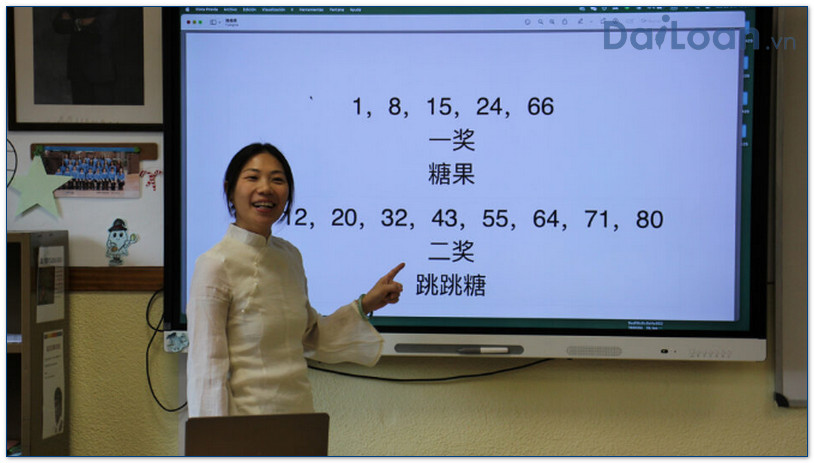

Everyday Conversation
- 你的演講真讚!(Nǐ de yǎnjiǎng zhēn zàn!) – “Your speech was truly commendable!”
- 我讚同你的看法。(Wǒ zàn tóng nǐ de kànfǎ.) – “I agree with your viewpoint.”
In a Cultural Context
- 他讚美了這幅畫。(Tā zànměi le zhè fú huà.) – “He praised this painting.”
- 讚美是一種美德。(Zànměi shì yī zhǒng měidé.) – “Praise is a virtue.”
Expressing Enthusiasm
- 這部電影實在太讚了!(Zhè bù diànyǐng shízài tài zàn le!) – “This movie is just too awesome!”
- 我覺得你的主意真的很讚。(Wǒ juéde nǐ de zhǔyì zhēn de hěn zàn.) – “I think your idea is really great.”
Conclusion
Understanding the meaning and usage of 讚 (zàn) not only enhances your Chinese vocabulary but also enriches your ability to communicate positively. Employing this character in your conversations will certainly elevate your language skills, as it reflects appreciation and admiration. As you continue your journey in learning Chinese, remember that words of praise like 讚 hold significant cultural value in expressing respect and goodwill.


Sứ mệnh của Chuyên là giúp đỡ và truyền cảm hứng cho các bạn trẻ Việt Nam sang Đài Loan học tập, sinh sống và làm việc. Là cầu nối để lan tỏa giá trị tinh hoa nguồn nhân lực Việt Nam đến với Đài Loan và trên toàn cầu.
CÓ THỂ BẠN QUAN TÂM
Du học Đài Loan
Lao Động Đài Loan
Việc Làm Đài Loan
Đơn Hàng Đài Loan
Visa Đài Loan
Du Lịch Đài Loan
Tiếng Đài Loan
KẾT NỐI VỚI CHUYÊN
Zalo: https://zalo.me/0936126566
Website: www.dailoan.vn