



In the rich tapestry of the Chinese language, understanding key terms is essential for mastering its nuances. One such term is 正式 (zhèngshì), which serves as a crucial building block in various contexts. In this article, we will delve into the meaning of 正式, its grammatical structure, and provide illustrative examples to enhance your understanding.
What Does 正式 (zhèngshì) Mean?
The term 正式 (zhèngshì) translates to “formal” or “official” in English. It is widely used in different scenarios, including official documents, formal events, and professional communication. Its formal nature indicates that something is recognized, accepted, or conducted in accordance with established practices or protocols.
Contextual Uses of 正式
In Chinese society, the concept of formality is deeply embedded in various aspects of life, including etiquette, business, and communication. For instance, one might encounter the term in contexts such as:
- Formal invitations to events (正式邀请)
- Official documents and announcements (正式文件)
- Business contracts and negotiations (正式合同)
Grammatical Structure of 正式
Understanding the grammatical structure of 正式 is essential for its correct usage in sentences. In Chinese, 正式 is used as an adjective and typically precedes the nouns it modifies. Here’s a breakdown of its structure:
Components of the Term
- 正 (zhèng): This character can mean “correct” or “upright,” often indicating authenticity or legitimacy.
- 式 (shì): This character translates to “style” or “form,” suggesting a specific manner or approach.
Together, 正式 encapsulates the idea of being correctly styled or formally acknowledged.
Usage as an Adjective
As an adjective, 正式 modifies nouns, indicating that what follows is marked by formality. For instance, in the phrase 正式场合 (zhèngshì chǎnghé), it denotes a “formal occasion.”
Example Sentences Using 正式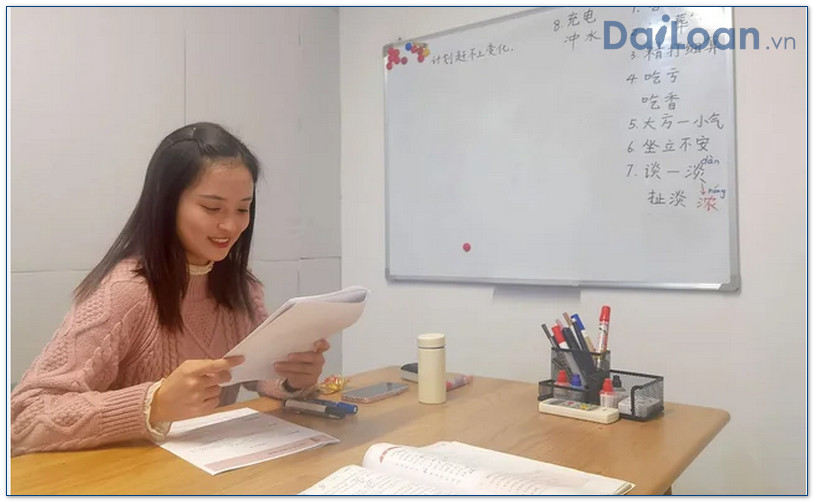

To solidify your understanding of 正式, here are some example sentences showcasing its usage:
Example 1: Official Documents
这份文件是正式的。 (Zhè fèn wénjiàn shì zhèngshì de.)
Translation: This document is official.

Example 2: Formal Invitations
我们收到了正式邀请。 (Wǒmen shōudào le zhèngshì yāoqǐng.)
Translation: We received a formal invitation.
Example 3: Business Context
他们在正式场合签署了合同。 (Tāmen zài zhèngshì chǎnghé qiānshǔ le hétóng.)
Translation: They signed the contract at a formal occasion.
Example 4: Communication Style
在正式的会议中,应该使用正式语言。 (Zài zhèngshì de huìyì zhōng, yīnggāi shǐyòng zhèngshì yǔyán.)
Translation: In a formal meeting, one should use formal language.
Conclusion
In conclusion, understanding the term 正式 (zhèngshì) is essential for anyone looking to navigate the complexities of the Chinese language and culture. Its usage in various contexts—from official documents to formal gatherings—underscores the significance of formality in Chinese communication. By utilizing the examples and insights provided in this article, readers can enhance their language proficiency and cultural awareness.


Sứ mệnh của Chuyên là giúp đỡ và truyền cảm hứng cho các bạn trẻ Việt Nam sang Đài Loan học tập, sinh sống và làm việc. Là cầu nối để lan tỏa giá trị tinh hoa nguồn nhân lực Việt Nam đến với Đài Loan và trên toàn cầu.
CÓ THỂ BẠN QUAN TÂM
Du học Đài Loan
Lao Động Đài Loan
Việc Làm Đài Loan
Đơn Hàng Đài Loan
Visa Đài Loan
Du Lịch Đài Loan
Tiếng Đài Loan
KẾT NỐI VỚI CHUYÊN
Zalo: https://zalo.me/0936126566
Website: www.dailoan.vn