


Introduction
In the rich tapestry of the Chinese language, certain characters hold a depth of meaning and usage that reflects cultural nuances and emotional expression. One such character is 笑 (xiào), which translates to “laugh” or “smile.” This article will delve into the meaning of 笑, examine its grammatical structure, and provide practical example sentences to enhance your understanding and usage of this versatile character.
Meaning of 笑 (xiào)
The character 笑 (xiào) encompasses a range of emotions tied to joy and amusement. Generally, it refers to both the act of laughing and the expression of happiness, making it a key word in social interactions.
In different contexts, 笑 can imply:
- To laugh: The physical act of producing sound and facial expressions associated with happiness.
- To smile: A more subtle expression of joy that may not always involve sound.
- Humor: In some phrases, it suggests a light-hearted attitude or joke.
Grammatical Structure of 笑 (xiào)
Like many Chinese characters, 笑 can function in various grammatical roles depending on the context. Here’s a breakdown:
As a Verb
In its primary form, 笑 (xiào) operates as a verb, expressing the action of laughing or smiling. It can be used in various tenses and structures:

- Simple Present: 我笑 (Wǒ xiào) – I laugh.
- Simple Past: 我昨天笑了 (Wǒ zuótiān xiàole) – I laughed yesterday.
- Future: 我会笑 (Wǒ huì xiào) – I will laugh.
As a Noun
Though primarily a verb, 笑 can also function as a noun when referring to laughter as a concept.
For instance:
- 他的笑很有感染力 (Tā de xiào hěn yǒu gǎn rǎn lì) – His laugh is very infectious.
Example Sentences Using 笑 (xiào)
To illustrate the use of 笑 in everyday conversation, here are several practical examples:
Everyday Conversations
- 你为什么笑?(Nǐ wèishéme xiào?) – Why are you laughing?
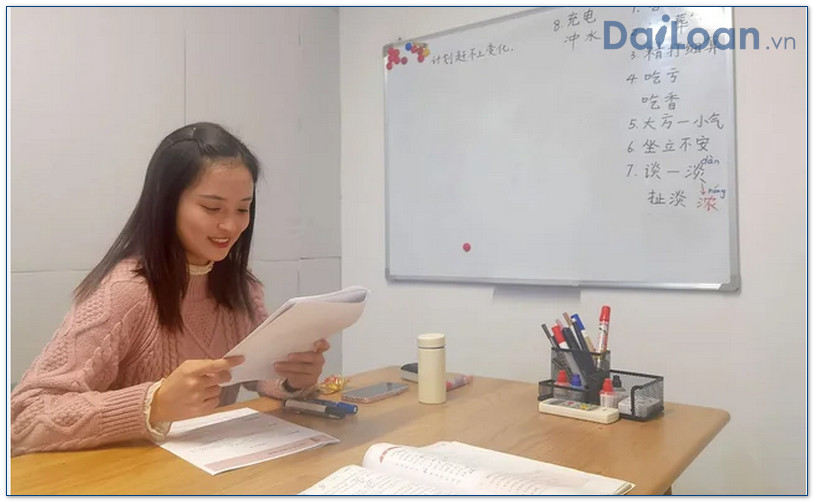
- 她笑了,并告诉我一个笑话。(Tā xiàole, bìng gàosù wǒ yī gè xiàohuà.) – She laughed and told me a joke.
- 看这个视频会让你笑。(Kàn zhè gè shìpín huì ràng nǐ xiào.) – Watching this video will make you laugh.

Expressions and Idioms
笑 appears in many expressions and idioms, adding depth to its usage:
- 笑掉大牙 (xiào diào dà yá) – To laugh so hard that one’s teeth fall out, used to describe something very funny.
- 笑逐颜开 (xiào zhú yán kāi) – To smile broadly, indicating a joyous mood.
Cultural Significance of 笑
The use of 笑 extends beyond mere laughter; it is an integral part of Chinese culture. In social settings, laughter signifies warmth and friendliness, playing a crucial role in interpersonal relationships.
During festivals and gatherings, expressions of joy are often highlighted by laughter, representing good fortune and harmony among people.
Conclusion
Overall, 笑 (xiào) serves as a fundamental character in the Chinese language that captures both the physical act of laughing and the emotional expression of joy. Its versatility in usage—from verbs to nouns—illustrates its importance in daily conversation and cultural context.
Understanding and employing 笑 in various situations will undoubtedly enrich your proficiency in Chinese. Embrace laughter, and let 笑 lead you to deeper connections within the language and among people.


Sứ mệnh của Chuyên là giúp đỡ và truyền cảm hứng cho các bạn trẻ Việt Nam sang Đài Loan học tập, sinh sống và làm việc. Là cầu nối để lan tỏa giá trị tinh hoa nguồn nhân lực Việt Nam đến với Đài Loan và trên toàn cầu.
CÓ THỂ BẠN QUAN TÂM
Du học Đài Loan
Lao Động Đài Loan
Việc Làm Đài Loan
Đơn Hàng Đài Loan
Visa Đài Loan
Du Lịch Đài Loan
Tiếng Đài Loan
KẾT NỐI VỚI CHUYÊN
Zalo: https://zalo.me/0936126566
Website: www.dailoan.vn