


Introduction
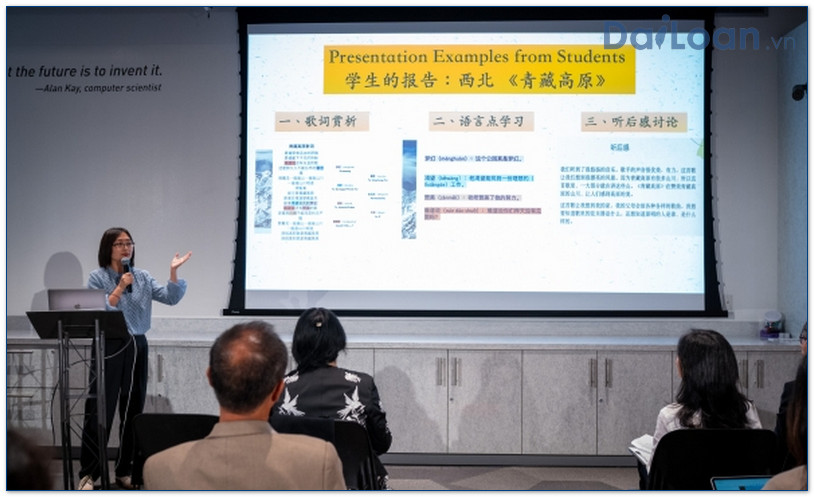
In learning the Chinese language, understanding the nuances of words and phrases is crucial. One such term that encapsulates a specific sentiment is 觀望 (guān wàng)

What Does 觀望 (guān wàng) Mean?
The term 觀望
Literal Breakdown
The word 觀 (guān) means “to observe” or “to inspect,” while 望 (wàng) means “to gaze” or “to expect.” Together, they evoke the notion of keeping an eye on something while withholding immediate judgment or action.
The Grammatical Structure of 觀望
In terms of grammatical structure, 觀望 is primarily used as a verb or as part of a phrase. It can function in various sentence structures:
1. As a Verb
When used as a verb, 觀望 stands alone:
- Example: 他在觀望市場的變化。
- Translation: He is observing the changes in the market.
2. In Compound Verbs
觀望 can also be used in conjunction with other verbs to form phrases:
- Example: 我們暫時選擇觀望。
- Translation: We choose to wait and see for now.
Example Sentences Using 觀望
To illustrate how 觀望 can be used in various contexts, here are some example sentences:
1. In Business Contexts
- 投資者們正在觀望市場動向,無法做出決策。
- Translation: Investors are observing the market trends, unable to make decisions.
2. In Political Contexts
- 政府在此問題上持觀望態度。
- Translation: The government adopts a wait-and-see attitude on this issue.
3. In Personal Relationships
- 她對他的感情仍然是觀望狀態。
- Translation: Her feelings for him are still in a state of observation.
Conclusion
Understanding the term 觀望 (guān wàng) enriches one’s Mandarin vocabulary and equips learners with a deeper appreciation of its subtleties. By observing situations before acting, one can make more informed decisions. Whether in business, politics, or personal life, 觀望 serves as a reminder of the importance of patience and careful consideration in our actions.
Further Learning Resources
For more insights into the Chinese language, consider exploring language learning platforms, joining Mandarin conversation groups, or delving into additional phrases and terms that reflect similar sentiments.


Sứ mệnh của Chuyên là giúp đỡ và truyền cảm hứng cho các bạn trẻ Việt Nam sang Đài Loan học tập, sinh sống và làm việc. Là cầu nối để lan tỏa giá trị tinh hoa nguồn nhân lực Việt Nam đến với Đài Loan và trên toàn cầu.
CÓ THỂ BẠN QUAN TÂM
Du học Đài Loan
Lao Động Đài Loan
Việc Làm Đài Loan
Đơn Hàng Đài Loan
Visa Đài Loan
Du Lịch Đài Loan
Tiếng Đài Loan
KẾT NỐI VỚI CHUYÊN
Zalo: https://zalo.me/0936126566
Website: www.dailoan.vn