


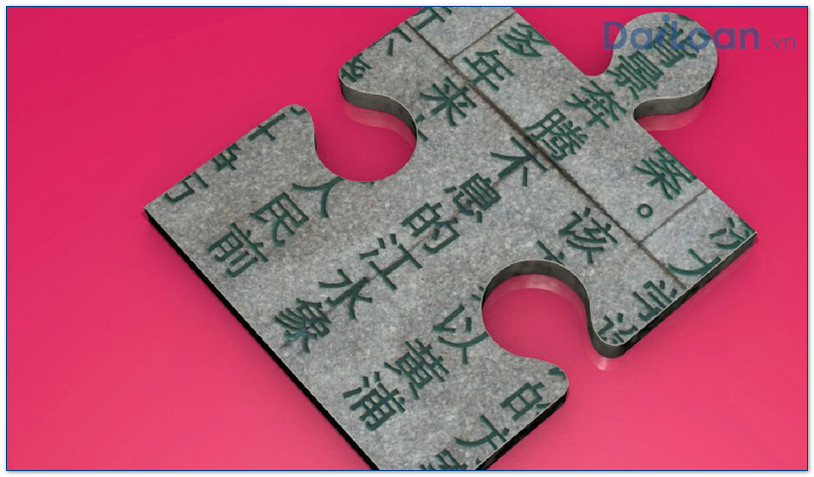
Welcome to an exploration of the term 排行榜 (pái háng bǎng), which holds a special place in Chinese language and culture. In this article, we will unlock its meaning, delve into its grammatical structure, and provide you with ample example sentences to enhance your understanding.
What Does 排行榜 Mean?
To start with, 排行榜 (pái háng bǎng) translates directly to “ranking list” or “leaderboard.” In everyday usage, this term is commonly found in contexts ranging from music charts to competitive sports, providing a systematic way to display rankings.
Usage in Various Contexts
To see how versatile this term can be, consider the following areas:
- Music: In the music industry, 排行榜 often refers to weekly charts that rank songs based on popularity.
- Promotional Events: Many companies employ 排行榜 to rank products or services during promotional campaigns.
- Sports: Athletes or teams are frequently ranked to gauge their performance relative to others in competitions.
Grammatical Structure of 排行榜
Let’s break down the term 排行榜 (pái háng bǎng) into its individual components for better understanding:
- 排 (pái): This character means “to rank” or “to arrange.” It implies an order or sequence.
- 行 (háng): This character translates as “line” or “row,” signifying a category or group.
- 榜 (bǎng):


When combined, these characters form a compound noun that succinctly conveys the idea of a “ranking list” encompassing various entities organized in accordance with specific criteria.
Example Sentences Using 排行榜
To illustrate the usage of 

1. Music Context
在这个周的音乐排行榜上,这首歌名列前茅。
Translation: This song ranks at the top of this week’s music chart.
2. Sports Context
我们的足球队在地区排行榜上名列第二。
Translation: Our football team ranks second in the regional leaderboard.
3. Product Ranking
今年的畅销书排行榜令人印象深刻。
Translation: This year’s bestseller ranking list is impressive.
Conclusion
In summary, the term 排行榜 (pái háng bǎng) is a versatile and essential element of the Chinese language, widely applicable across various fields. Understanding its meaning, grammatical structure, and contextual usages can significantly enhance your fluency and comprehension of the language.
We hope this article provides you with a comprehensive understanding of 坦 (pái háng bǎng). Happy learning!


Sứ mệnh của Chuyên là giúp đỡ và truyền cảm hứng cho các bạn trẻ Việt Nam sang Đài Loan học tập, sinh sống và làm việc. Là cầu nối để lan tỏa giá trị tinh hoa nguồn nhân lực Việt Nam đến với Đài Loan và trên toàn cầu.
CÓ THỂ BẠN QUAN TÂM
Du học Đài Loan
Lao Động Đài Loan
Việc Làm Đài Loan
Đơn Hàng Đài Loan
Visa Đài Loan
Du Lịch Đài Loan
Tiếng Đài Loan
KẾT NỐI VỚI CHUYÊN
Zalo: https://zalo.me/0936126566
Website: www.dailoan.vn