



Understanding the word 和尚 (hé shàng) is crucial for those delving into Chinese language and culture, especially its relation to Buddhism and traditional lifestyle. This article will illuminate the meaning, grammatical structure, and provide example sentences to enhance your grasp of this term.
Understanding 和尚: Meaning and Cultural Significance
The term 和尚 (hé shàng) translates directly to “monk” in English. It refers specifically to a male monk, particularly one associated with Buddhism. Monks have a revered place in Chinese culture, embodying discipline, devotion, and a life dedicated to spiritual pursuits instead of worldly ones.
Historical Context of 和尚
Historically, monks in China have played vital roles in not only religious contexts but also in arts, education, and social services. The etymology of 和尚 traces back to ancient China, where these figures contributed significantly to the development of Chinese Buddhism. They were responsible for propagating religious texts, and teachings, and sometimes engaging in diplomatic missions during the Tang and Song dynasties.
Grammatical Structure of 和尚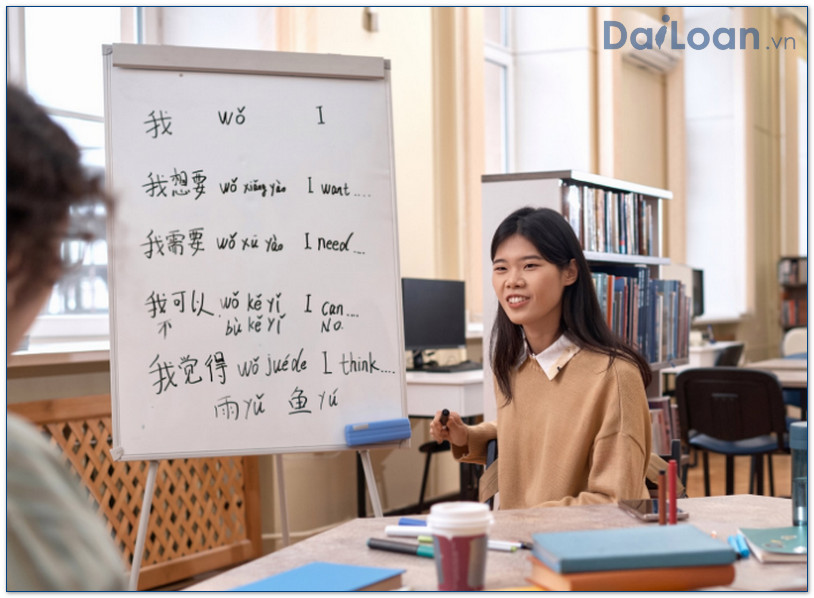

和尚 (hé shàng) comprises two characters:
- 和 (hé): This character means “and” or “harmony.” It is often associated with peace and balance.
- 尚 (shàng): This character can mean “to esteem,” “to honor,” or can also imply something being elevated or superior.
In this combination, the term 和尚 effectively connotes a person who is honored or esteemed for their dedication to a life of spirituality and asceticism. It is interesting to note how both characters contribute to the overall meaning of the term.
Example Sentences Using 和尚
To facilitate a better understanding of 

Simple Examples
- 这位和尚在寺庙里修行了多年。
(Zhè wèi hé shàng zài sìmiào lǐ xiūxíngle duō nián.)
Translation: This monk has practiced in the temple for many years. - 和尚为村民们讲授佛教教义。
(Hé shàng wèi cūnmínmen jiǎngshòu fójiào jiàoyì.)
Translation: The monk teaches the villagers about Buddhist doctrines.
Complex Sentences
- 和尚在静谧的环境中沉思,寻找内心的平和。
(Hé shàng zài jìngmì de huánjìng zhōng chénsī, xúnzhǎo nèixīn de pínghé.)
Translation: The monk meditates in a tranquil environment, seeking peace within. - 这座寺庙里有许多和尚,他们一起修行和祈祷。
(Zhè zuò sìmiào lǐ yǒu xǔduō hé shàng, tāmen yīqǐ xiūxíng hé qídǎo.)
Translation: There are many monks in this temple; they practice and pray together.
Conclusion: The Importance of 和尚 in Chinese Culture
In conclusion, the word 和尚 (hé shàng) holds substantial significance in both the language and culture of China. Through understanding its meaning, grammatical structure, and usage in sentences, learners can appreciate the deeper values associated with monastic life in Chinese society. Whether for academic studies, travel, or personal interest, grasping this term is a stepping stone into the rich tapestry of Chinese spirituality and history.


Sứ mệnh của Chuyên là giúp đỡ và truyền cảm hứng cho các bạn trẻ Việt Nam sang Đài Loan học tập, sinh sống và làm việc. Là cầu nối để lan tỏa giá trị tinh hoa nguồn nhân lực Việt Nam đến với Đài Loan và trên toàn cầu.
CÓ THỂ BẠN QUAN TÂM
Du học Đài Loan
Lao Động Đài Loan
Việc Làm Đài Loan
Đơn Hàng Đài Loan
Visa Đài Loan
Du Lịch Đài Loan
Tiếng Đài Loan
KẾT NỐI VỚI CHUYÊN
Zalo: https://zalo.me/0936126566
Website: www.dailoan.vn