



In this article, we will delve deep into the fascinating world of the Chinese term 臉頰 (liǎn jiá). You will not only learn what it means but also explore its grammatical structure and see it in various contexts through example sentences. Whether you’re a language enthusiast or a student looking to expand your vocabulary, this guide is designed to be informative and comprehensive.
Understanding the Meaning of 臉頰 (liǎn jiá)
The term 臉頰 (liǎn jiá)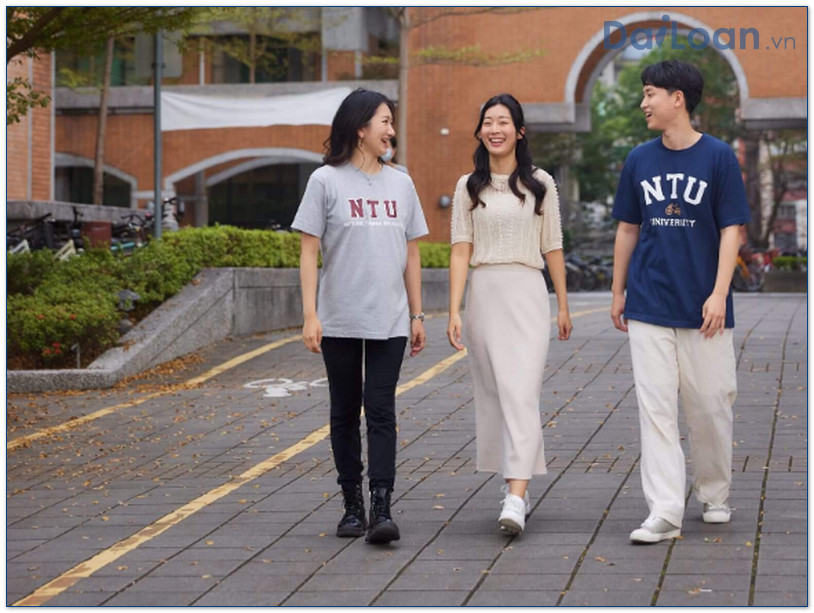

Literal Translation and Cultural Context
In Mandarin, 臉 (liǎn) means “face,” while 頰 (jiá) refers to the “cheek.” Together, they specifically denote the cheek area. Culturally, cheeks can symbolize warmth and kindness, and having rosy cheeks is often seen as a sign of health and vitality in Chinese society.
Grammatical Structure of 臉頰 (liǎn jiá)

To understand how to use 臉頰 (liǎn jiá) in sentences, it’s important to grasp its grammatical structure.
Noun Usage
As a noun, 臉頰 (liǎn jiá) can function as the subject or object of a sentence. For example:
- 她的臉頰很紅。(Tā de liǎn jiá hěn hóng.) – Her cheeks are very red.
- 我摸了摸他的臉頰。(Wǒ mō le mō tā de liǎn jiá.) – I touched his cheek.
Example Sentences Using 臉頰 (liǎn jiá)
Now that we understand the meaning and grammatical structure, let’s look at some example sentences to illustrate how 臉頰 (liǎn jiá) is used in different contexts.

Everyday Conversation Examples
- 她的臉頰上有一點紅色的腮紅。(Tā de liǎn jiá shàng yǒu yī diǎn hóngsè de sāihóng.) – She has a bit of blush on her cheeks.
- 小孩的臉頰真的非常可愛。(Xiǎohái de liǎn jiá zhēn de fēicháng kě’ài.) – The child’s cheeks are really adorable.
Descriptive Contexts
- 在寒冷的天氣下,他的臉頰變得很紅。(Zài hánlěng de tiānqì xià, tā de liǎn jiá biàn de hěn hóng.) – In the cold weather, his cheeks turned very red.
- 她的臉頰因為害羞而泛紅。(Tā de liǎn jiá yīn wèi hàixiū ér fàn hóng.) – Her cheeks flushed red from embarrassment.
Figurative Uses
- 在這個故事中,臉頰代表著青春的象徵。(Zài zhège gùshì zhōng, liǎn jiá dàibiǎo zhe qīngchūn de xiàngzhēng.) – In this story, the cheeks symbolize youth.
- 她的臉頰為這幅畫增添了許多色彩。(Tā de liǎn jiá wèi zhè fú huà zēngtiān le xǔduō sècǎi.) – Her cheeks added much color to this painting.
Conclusion
Understanding the term 臉頰 (liǎn jiá) not only enriches your Chinese vocabulary but also provides insights into cultural nuances and expressions. By familiarizing yourself with its meaning, grammatical structure, and example sentences, you’ll be better equipped to appreciate and use this term in everyday conversations. Continue to explore the beauty of the Chinese language, and don’t hesitate to practice using new vocabulary in your daily life!


Sứ mệnh của Chuyên là giúp đỡ và truyền cảm hứng cho các bạn trẻ Việt Nam sang Đài Loan học tập, sinh sống và làm việc. Là cầu nối để lan tỏa giá trị tinh hoa nguồn nhân lực Việt Nam đến với Đài Loan và trên toàn cầu.
CÓ THỂ BẠN QUAN TÂM
Du học Đài Loan
Lao Động Đài Loan
Việc Làm Đài Loan
Đơn Hàng Đài Loan
Visa Đài Loan
Du Lịch Đài Loan
Tiếng Đài Loan
KẾT NỐI VỚI CHUYÊN
Zalo: https://zalo.me/0936126566
Website: www.dailoan.vn