


Understanding 兒時 (ér shí): Meaning and Cultural Significance
In the realm of the Chinese language, the term 兒時 (ér shí) holds a special place, translating to ‘childhood’ in English. This term evokes feelings of nostalgia and innocence, as it represents the early stages of life when one is free from the burdens of adult responsibilities. 兒 (ér) means ‘child,’ while 時 (shí) means ‘time,’ combining to reflect a period characterized by youth and playfulness.
Grammatical Structure of 兒時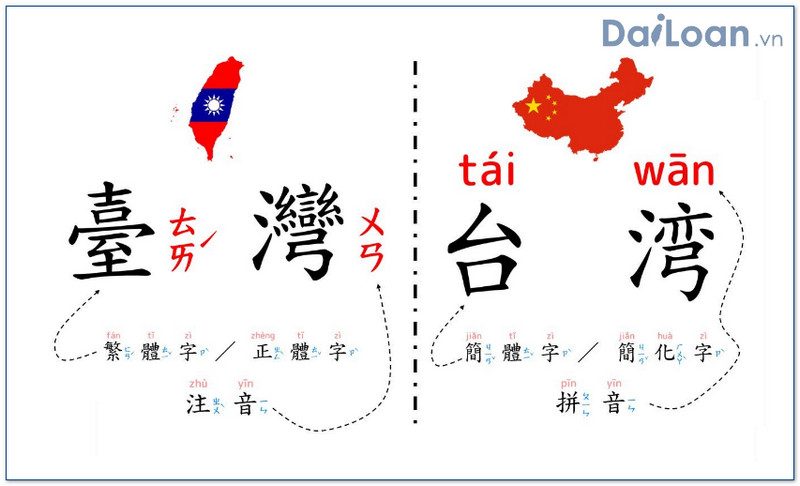


Grammatically, 兒時 functions as a noun in the Chinese language. Its structure, consisting of two characters, allows it to convey a clear concept with emotional undertones. In Mandarin, nouns typically follow specific patterns, and 兒時 exemplifies this by encapsulating a complete idea with just two syllables. Understanding its grammatical structure aids in effective communication, especially in contexts discussing memories and experiences associated with one’s childhood.
Breaking Down the Characters: 兒 (ér) and 時 (shí)
- 兒 (ér): This character signifies ‘child’ or ‘childish,’ often used in contexts referring to youth.
- 時 (shí): This character means ‘time,’ indicating a period or an era. When combined with 兒 (ér), it highlights the specific time of childhood.
Example Sentences Using 兒時 (ér shí)
To grasp the use of 兒時 in everyday conversation, let’s explore several example sentences:
1. Recalling Childhood Memories
在我兒時,我每天放學後都去公園玩。
(Wǒ de 兒時, wǒ měitiān fàngxué hòu dū qù gōngyuán wán.)
‘In my childhood, I would go to the park to play every day after school.’
2. Reflecting on Simpler Times
她常常懷念兒時的無憂無慮。
(Tā chángcháng huáiniàn 兒時 de wúyōuwúlǜ.)
‘She often reminisces about the carefree days of her childhood.’
3. The Importance of Childhood
兒時的經歷塑造了我們的未來。
(兒時 de jīnglì sùzào le wǒmen de wèilái.)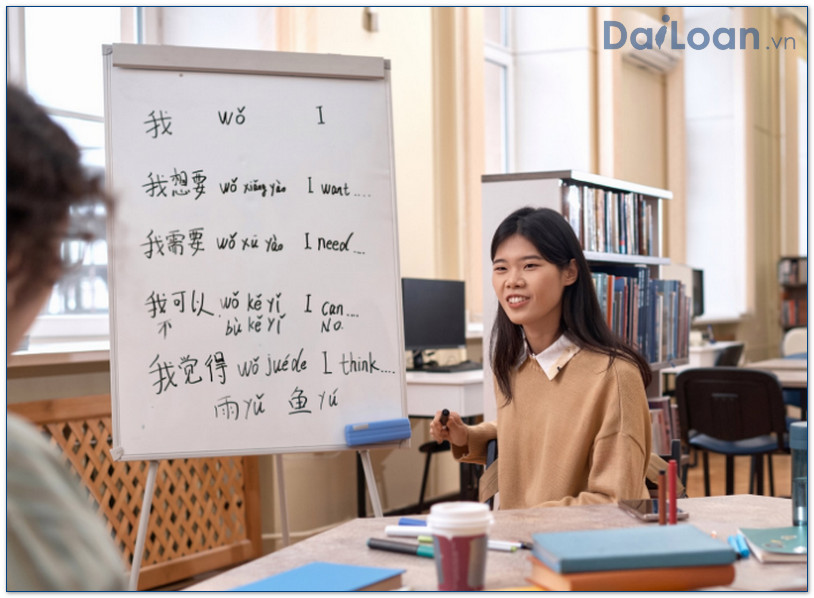
‘Experiences in childhood shape our future.’

The Role of 兒時 in Literature and Pop Culture
The concept of childhood, as encapsulated by 兒時, is a recurring theme in Chinese literature and arts. Many authors and poets draw upon their childhood experiences to illuminate their narratives, using 兒時 to evoke emotions and memories. In contemporary Chinese cinema and literature, the representation of 兒時 is often woven into stories that explore the transition from innocence to experience, showcasing the profound impact these early years have on individuals.
Conclusion
Understanding the term 兒時 (ér shí) not only enriches one’s vocabulary but also deepens the appreciation for the nuances of the Chinese language. Its grammatical structure is straightforward, yet it carries a rich emotional weight that resonates across generations. By incorporating sentences that use this term into daily conversations or writings, learners of Chinese can express profound sentiments related to childhood, capturing the essence of youthful days.


Sứ mệnh của Chuyên là giúp đỡ và truyền cảm hứng cho các bạn trẻ Việt Nam sang Đài Loan học tập, sinh sống và làm việc. Là cầu nối để lan tỏa giá trị tinh hoa nguồn nhân lực Việt Nam đến với Đài Loan và trên toàn cầu.
CÓ THỂ BẠN QUAN TÂM
Du học Đài Loan
Lao Động Đài Loan
Việc Làm Đài Loan
Đơn Hàng Đài Loan
Visa Đài Loan
Du Lịch Đài Loan
Tiếng Đài Loan
KẾT NỐI VỚI CHUYÊN
Zalo: https://zalo.me/0936126566
Website: www.dailoan.vn