



In the realm of the Chinese language, certain words carry deep meanings and implications. One such term is 持久 (chí jiǔ)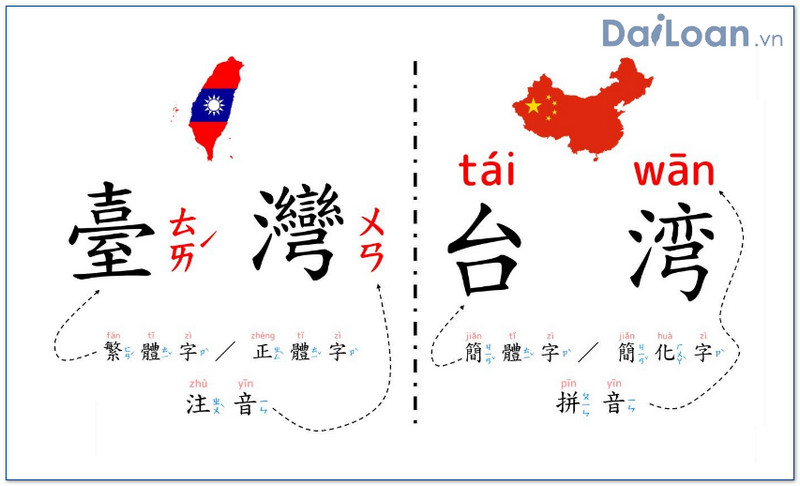

What Does 持久 (chí jiǔ) Mean?
The term 持久 (chí jiǔ) is comprised of two characters: 持 (chí) and 久 (jiǔ). The character 持 (chí) means “to hold” or “to maintain,” while 久 (jiǔ) signifies “long” or “a long time.” Together, these characters create a concept of maintaining something over an extended period, which embodies the ideas of endurance, persistence, and longevity.
Grammatical Structure of 持久
In terms of grammatical construction, 持久 functions as an adjective in a sentence. It can modify nouns to describe situations, qualities, or actions that require continuous effort. Understanding its structure helps in effective sentence formation and appropriate usage in conversation. Here’s a breakdown of its components:
- 持 (chí): a verb that means “to hold” or “to maintain”
- 久 (jiǔ): an adjective meaning “long” or “prolonged”
- Together as 持久 (chí jiǔ): an adjective conveying the idea of something lasting or enduring for a long time.
Using 持久 in Sentences
To further illustrate the usage of 持久, here are some example sentences:
- 1. 这项运动需要持久的耐力。 (Zhè xiàng yùndòng xūyào chíjiǔ de nàilì.)
Translation: “This sport requires enduring stamina.” - 2. 我们需要持久的努力才能取得成功。 (Wǒmen xūyào chíjiǔ de nǔlì cáinéng qǔdé chénggōng.)
Translation: “We need persistent effort to achieve success.” - 3. 持久的友谊是最珍贵的。 (Chíjiǔ de yǒuqing shì zuì zhēnguì de.)
Translation: “Enduring friendship is the most precious.” - 4. 只有持久的努力,才会看到进步。 (Zhǐyǒu chíjiǔ de nǔlì, cái huì kàn dào jìnbù.)
Translation: “Only through persistent effort can we see progress.” - 5. 这种习惯能够持久一生。
Translation: “This habit can last a lifetime.”


Cultural Significance of 持久
The concept of 持久 is not just limited to linguistics; it holds a significant place in Chinese culture and philosophy. Persistence and endurance are valued traits in various aspects of life, including education, relationships, and personal development. The idea that hard work and commitment lead to lasting success resonates deeply within the collective mindset.
Conclusion
In summary, 持久 (chí jiǔ) is a meaningful term that encapsulates the essence of endurance and persistence in Chinese culture. By understanding its meaning, grammatical structure, and real-life applications, learners of the language can enrich their vocabulary and gain a deeper appreciation for the nuances of Chinese expressions. Remember, whether in language or life, the ability to hold and maintain one’s efforts over time is a valuable lesson for all.


Sứ mệnh của Chuyên là giúp đỡ và truyền cảm hứng cho các bạn trẻ Việt Nam sang Đài Loan học tập, sinh sống và làm việc. Là cầu nối để lan tỏa giá trị tinh hoa nguồn nhân lực Việt Nam đến với Đài Loan và trên toàn cầu.
CÓ THỂ BẠN QUAN TÂM
Du học Đài Loan
Lao Động Đài Loan
Việc Làm Đài Loan
Đơn Hàng Đài Loan
Visa Đài Loan
Du Lịch Đài Loan
Tiếng Đài Loan
KẾT NỐI VỚI CHUYÊN
Zalo: https://zalo.me/0936126566
Website: www.dailoan.vn