


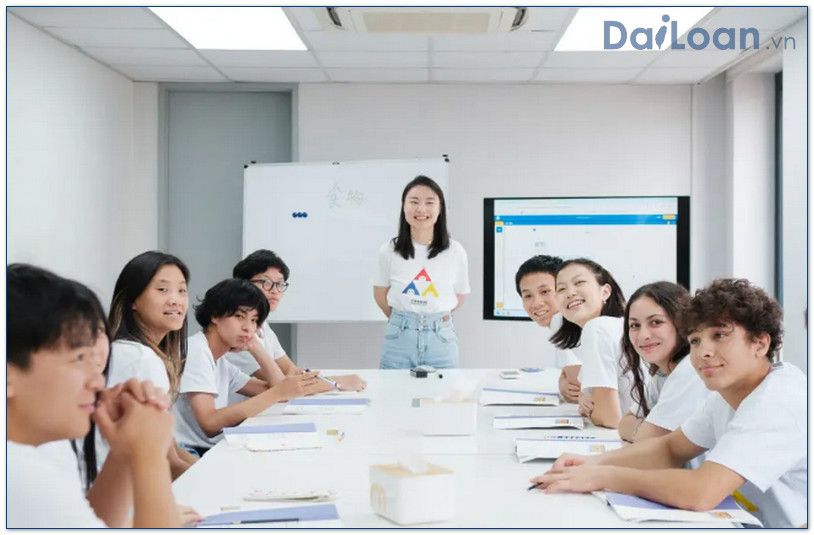
When it comes to the Chinese language, certain terms encapsulate not just a meaning but a cultural essence. One such term is 派對 (pàiduì), which translates to “party” in English. In this article, we will explore the meaning, grammatical structure, and examples that showcase how this term is used in everyday conversation. Let’s dive in!
What Does 派對 (pàiduì) Mean?
The term 派對 (pàiduì) refers to a gathering of individuals for socializing, typically characterized by food, drink, and entertainment. It can be anything from a birthday celebration, a wedding reception, to informal get-togethers or large-scale events. The word 派 (pài) suggests ‘to send forth or to distribute’, while 對 (duì) means ‘to face’ or ‘to confront’. Together, they convey the essence of people coming together to connect.
Grammatical Structure of 派對 (pàiduì)
Breakdown of the Components
Chinese language structure often combines characters to form compound words. The term 派對 (pàiduì) is one such example.
- 派 (pài) – This character has various meanings, primarily suggesting the act of sending or distributing.
- 對 (duì) – This character can mean ‘to face’, ‘to oppose’, or ‘pair’. In this context, it helps to denote a gathering or assembly of people.
Usage as a Noun
As a noun, 派對 (pàiduì) is commonly used to refer to an event rather than an action. In sentences, it usually stands alone or is accompanied by determiners to specify the type of party (e.g., birthday party, dinner party).
Example Sentences Using 派對 (pàiduì)
Below are some practical examples to demonstrate how 派對 (pàiduì) can be integrated into sentences. Each sentence is followed by an English translation to enhance understanding.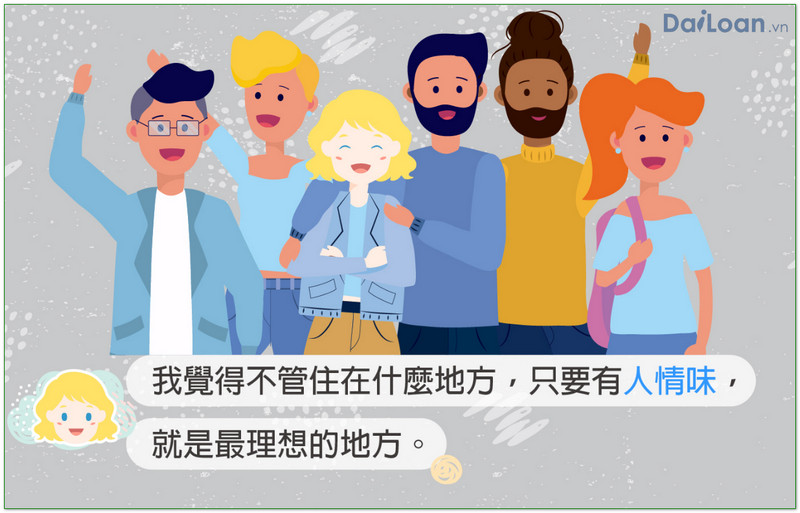

Example Sentences
- 我今晚有一個派對。
Wǒ jīnwǎn yǒu yí gè pàiduì.
I have a party tonight. - 你會來我的生日派對嗎?
Nǐ huì lái wǒ de shēngrì pàiduì ma?
Will you come to my birthday party? - 這個派對真好玩!
Zhège pàiduì zhēn hǎowán!
This party is really fun! - 我們需要準備派對的食品。
Wǒmen xūyào zhǔnbèi pàiduì de shípǐn.
We need to prepare food for the party. - 派對上有很多朋友。
Pàiduì shàng yǒu hěn duō péngyǒu.
There are many friends at the party.

Conclusion
Understanding the term 派對 (pàiduì) enriches your Chinese vocabulary and gives insight into cultural practices surrounding social gatherings. By mastering its meaning, grammatical structure, and practical usage, you can confidently engage in conversations about social events in Mandarin. Incorporate 派對 into your language learning and enhance your communication skills in Chinese!


Sứ mệnh của Chuyên là giúp đỡ và truyền cảm hứng cho các bạn trẻ Việt Nam sang Đài Loan học tập, sinh sống và làm việc. Là cầu nối để lan tỏa giá trị tinh hoa nguồn nhân lực Việt Nam đến với Đài Loan và trên toàn cầu.
CÓ THỂ BẠN QUAN TÂM
Du học Đài Loan
Lao Động Đài Loan
Việc Làm Đài Loan
Đơn Hàng Đài Loan
Visa Đài Loan
Du Lịch Đài Loan
Tiếng Đài Loan
KẾT NỐI VỚI CHUYÊN
Zalo: https://zalo.me/0936126566
Website: www.dailoan.vn