


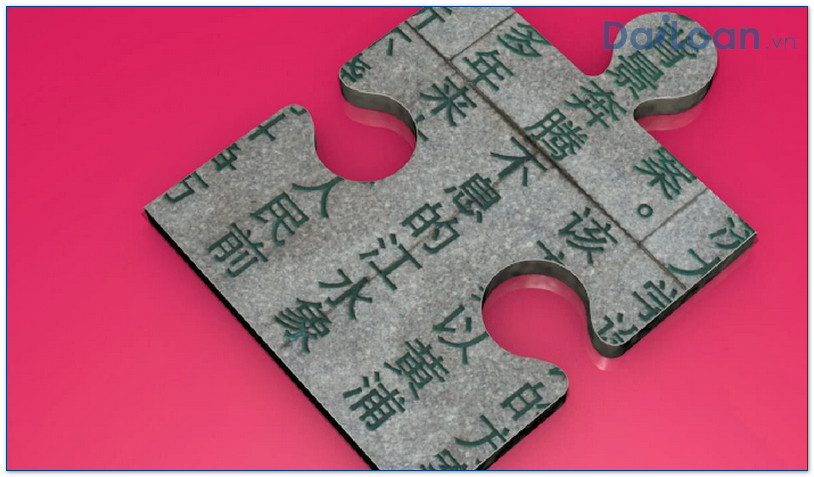
In the expansive world of the Chinese language, idiomatic expressions hold significant cultural weight. One such expression is ‘恰到好處 (qià dào hǎo chù)’, which translates to “just right” or “perfectly suitable.” In this article, we will delve into the meaning, grammatical structure, and practical examples of using this phrase effectively in conversation.

What Does ‘恰到好處’ Mean?
The phrase ‘恰到好處’ comprises three characters: 恰 (qià), 到 (dào), and 好處 (hǎo chù). Together, they convey a sense of hitting the mark or achieving a perfect balance. It is used to describe situations where something is done correctly, appropriately, or ideally suited to context.
Grammatical Structure of ‘恰到好處’
To understand ‘恰到好處’ more deeply, let’s analyze its grammatical components:
Character Breakdown
- 恰 (qià): This character means “just” or “exactly.” It sets the tone for precision.
- 到 (dào): This character means “to arrive” or “to reach.” It signifies attainment or completion.
- 好處 (hǎo chù): This term translates to “benefit” or “advantage.” It indicates a positive outcome.
Phrase Structure
In the context of Chinese grammar, ‘恰到好處’ functions as a standalone idiomatic expression rather than a sentence since it does not contain a subject or verb. It can be used adjectivally to describe nouns, or in conversational sentences to provide feedback or commentary.
How to Use ‘恰到好處’ in Sentences
Now that we understand the meaning and structure, let’s explore how to incorporate this phrase in various contexts with some practical examples.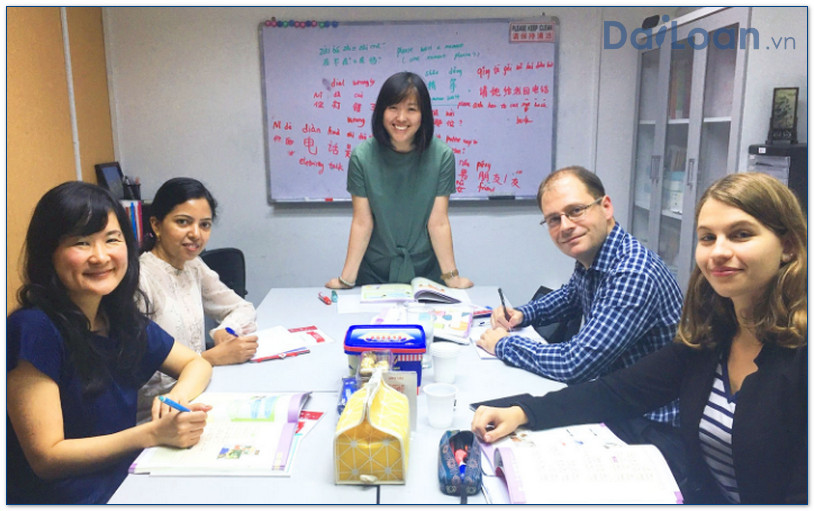

Example Sentences
- 这道菜的味道恰到好处。
(zhè dào cài de wèidào qià dào hǎo chù.)
“This dish’s flavor is just right.” - 他的演讲恰到好处,让人印象深刻。
(tā de yǎnjiǎng qià dào hǎo chù, ràng rén yìnxiàng shēnkè.)
“His speech was perfectly suitable and left a deep impression.” - 这个礼物的选择恰到好处,真是太贴心了。
(zhège lǐwù de xuǎnzé qià dào hǎo chù, zhēnshi tài tiēxīn le.)
“The choice of this gift is just perfect; it’s so thoughtful.”
Conclusion
‘恰到好处 (qià dào hǎo chù)’ is a beautiful expression denoting the concept of achieving an ideal state or balance. By mastering its meaning and practical applications, learners can enhance their conversational skills and deepen their understanding of Chinese culture. Incorporating this phrase will not only enrich your vocabulary but also allow for more nuanced expressions in daily communication. Practice using it in various contexts, and you’ll find it becomes a valuable part of your Mandarin repertoire.


Sứ mệnh của Chuyên là giúp đỡ và truyền cảm hứng cho các bạn trẻ Việt Nam sang Đài Loan học tập, sinh sống và làm việc. Là cầu nối để lan tỏa giá trị tinh hoa nguồn nhân lực Việt Nam đến với Đài Loan và trên toàn cầu.
CÓ THỂ BẠN QUAN TÂM
Du học Đài Loan
Lao Động Đài Loan
Việc Làm Đài Loan
Đơn Hàng Đài Loan
Visa Đài Loan
Du Lịch Đài Loan
Tiếng Đài Loan
KẾT NỐI VỚI CHUYÊN
Zalo: https://zalo.me/0936126566
Website: www.dailoan.vn