



In this article, we delve into the meaning of 分鐘 (fēnzhōng), a fundamental term in the Chinese language that you will come across often. We will analyze its grammatical structure, providing example sentences to illustrate its usage in various contexts. Understanding this term and its nuances is essential for anyone looking to enhance their proficiency in Chinese.
Understanding the Meaning of 分鐘 (fēnzhōng)
The term 分鐘 (fēnzhōng) translates to “minute” in English, which is a unit of time equivalent to 60 seconds. It is a common word that you will encounter in many situations, whether you’re telling the time, scheduling events, or discussing durations. Let’s break it down further:
- 分 (fēn) – This character means “minute” and also refers to the concept of dividing or sharing.
- 鐘 (zhōng) – This character means “clock” or “bell,” which is used in various phrases related to timekeeping.
Together, 分鐘 (fēnzhōng) encapsulates the idea of measuring time in minutes, which is vital for effective communication in both daily life and formal settings.
The Grammatical Structure of 分鐘
In terms of its grammatical structure, 分鐘 functions as a noun in the sentence. Here are some key points:
- **Countable noun:** 分鐘 (fēnzhōng) is countable, which means it can be used in both singular and plural forms. For instance, “one minute” is 一分鐘 (yī fēnzhōng) and “three minutes” is 三分鐘 (sān fēnzhōng).
- **Measure word usage:** In Chinese, measure words are often used when discussing quantities. When you specify how many minutes, you typically follow the numeral with the measure word 分钟. For example, “two minutes” translates to 两分鐘 (liǎng fēnzhōng).
Understanding these grammatical aspects will help you construct more accurate sentences in Chinese.
Example Sentences Using 分鐘 (fēnzhōng)
To grasp how 分鐘 (fēnzhōng) is used in practical conversations, let’s explore several example sentences:
1. Basic Uses of 分鐘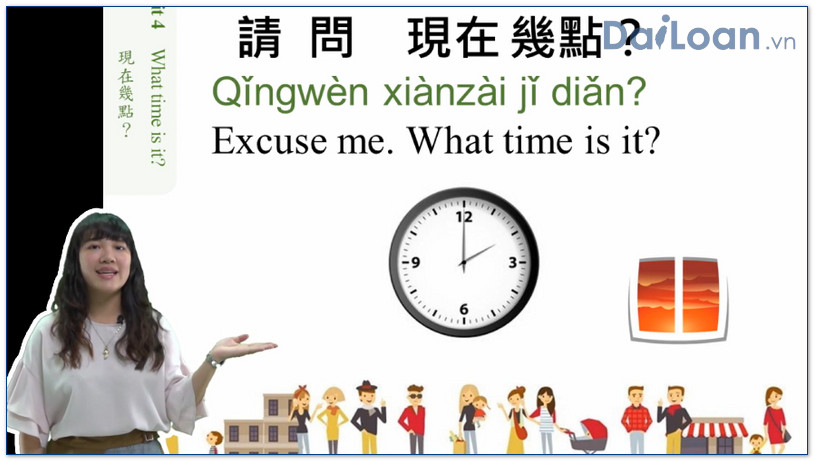

- 我等了五分鐘。 (Wǒ děngle wǔ fēnzhōng.) – “I waited for five minutes.”
- 請等我一分鐘。 (Qǐng děng wǒ yī fēnzhōng.) – “Please wait for one minute.”
2. In Questions
- 你需要多少分鐘來完成這個任務? (Nǐ xūyào duōshǎo fēnzhōng lái wánchéng zhège rènwù?) – “How many minutes do you need to complete this task?”
- 我們還剩下幾分鐘? (Wǒmen hái shèng xià jǐ fēnzhōng?) – “How many minutes do we have left?”
3. Expressing Time
- 現在是三點十五分鐘。 (Xiànzài shì sān diǎn shíwǔ fēnzhōng.) – “It is three fifteen.” (3:15)
- 電影還需要一個小時二十分鐘。 (Diànyǐng hái xūyào yīgè xiǎoshí èrshí fēnzhōng.) – “The movie will take another one hour and twenty minutes.”
Conclusion
In conclusion, 分鐘 (fēnzhōng) is a simple yet essential word that plays a significant role in the Chinese language. Understanding its meaning, grammatical structure, and practical applications can greatly enhance your language skills. As you continue learning Chinese, practice using 分鐘 in your conversations to improve your fluency and comfort with the language.
Whether you are a beginner or looking to brush up on your language skills, mastering terms like 分鐘 will undoubtedly aid in your journey towards fluency. Remember that language learning is a gradual process, and incorporating vocabulary in context is key to retaining what you’ve learned.



Sứ mệnh của Chuyên là giúp đỡ và truyền cảm hứng cho các bạn trẻ Việt Nam sang Đài Loan học tập, sinh sống và làm việc. Là cầu nối để lan tỏa giá trị tinh hoa nguồn nhân lực Việt Nam đến với Đài Loan và trên toàn cầu.
CÓ THỂ BẠN QUAN TÂM
Du học Đài Loan
Lao Động Đài Loan
Việc Làm Đài Loan
Đơn Hàng Đài Loan
Visa Đài Loan
Du Lịch Đài Loan
Tiếng Đài Loan
KẾT NỐI VỚI CHUYÊN
Zalo: https://zalo.me/0936126566
Website: www.dailoan.vn