


The term 彼此 (bǐ cǐ) is a fundamental phrase in Mandarin Chinese that reflects relational connectivity and mutuality between parties. In this article, we will explore its meaning, grammatical structure, and provide plenty of example sentences to help you incorporate this term into your language repertoire.
1. What Does 彼此 (bǐ cǐ) Mean?
At its core, 彼此 (bǐ cǐ) translates to “each other” or “one another” in English. It is often used to indicate reciprocity in relationships or actions—implying that both parties are equally involved or affected.
2. Grammatical Structure of 彼此
2.1. Breakdown of the Term
Grammatically, 彼此 is composed of two parts: 彼 (bǐ) meaning “the other” or “that” and 此 (cǐ), which means “this.” Together, they emphasize mutual interaction or recognition between entities.
2.2. Usage in Sentences
In Mandarin grammar, 彼此 can function as a pronoun and is typically used in various sentence structures, often with verbs or adjectives to show action or description between subjects.
3. Example Sentences Using 彼此
3.1. Basic Sentences
- 我们彼此帮助。(Wǒmen bǐcǐ bāngzhù.) – We help each other.
- 彼此理解是很重要的。(Bǐcǐ lǐjiě shì hěn zhòngyào de.) – Understanding each other is very important.


3.2. Complex Sentences

- 在这种情况下,我们必须彼此信任。(Zài zhè zhǒng qíngkuàng xià, wǒmen bìxū bǐcǐ xìnrèn.) – In this situation, we must trust each other.
- 彼此都有责任,一起努力工作。(Bǐcǐ dōu yǒu zérèn, yīqǐ nǔlì gōngzuò.) – Both parties have responsibilities; we must work hard together.
3.3. Conversational Examples
- A: 你觉得我们能彼此支持吗? (Nǐ juéde wǒmen néng bǐcǐ zhīchí ma?) – Do you think we can support each other?
- B: 当然,我们彼此都需要努力。(Dāngrán, wǒmen bǐcǐ dōu xūyào nǔlì.) – Of course, we both need to work hard with each other.
4. Contextual Uses of 彼此
4.1. In Relationships
Within personal relationships, 彼此 signifies a shared bond. For instance, couples often use this term to indicate that they are committed to mutual understanding and support.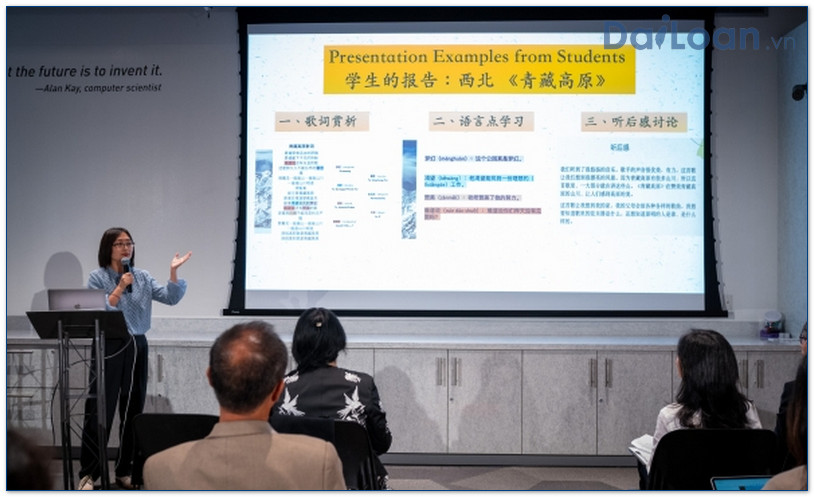

4.2. In Team Dynamics
In business or teamwork contexts, the term 彼此 is crucial for emphasizing collaboration and collective responsibility among team members.
4.3. In Educational Settings
In an educational setting, teachers often encourage students to work with each other (彼此) to promote cooperative learning and peer support.
5. Conclusion
The term 彼此 (bǐ cǐ) is more than just a mere translation of “each other.” It encapsulates the essence of mutual relationships, reciprocity, and shared responsibilities. By understanding its meaning, grammatical structure, and context, you can enhance your Chinese language skills significantly. So, the next time you engage in conversation, remember to think about how you can incorporate this valuable term into your Mandarin usage.


Sứ mệnh của Chuyên là giúp đỡ và truyền cảm hứng cho các bạn trẻ Việt Nam sang Đài Loan học tập, sinh sống và làm việc. Là cầu nối để lan tỏa giá trị tinh hoa nguồn nhân lực Việt Nam đến với Đài Loan và trên toàn cầu.
CÓ THỂ BẠN QUAN TÂM
Du học Đài Loan
Lao Động Đài Loan
Việc Làm Đài Loan
Đơn Hàng Đài Loan
Visa Đài Loan
Du Lịch Đài Loan
Tiếng Đài Loan
KẾT NỐI VỚI CHUYÊN
Zalo: https://zalo.me/0936126566
Website: www.dailoan.vn