


The Chinese term “次女 (cì nǚ)” is an interesting topic of exploration for language enthusiasts. This article delves into the meaning, grammatical structure, and example sentences that utilize this term. Let’s embark on this linguistic journey to enrich our understanding of the Chinese language!
What Does “次女 (cì nǚ)” Mean?

The term “次女 (cì nǚ)” literally translates to “second daughter”. In Chinese culture, the order of birth often holds significant importance, particularly in family dynamics and traditional values. Here, “次 (cì)” means “second,” and “女 (nǚ)” refers to “daughter.” Collectively, “次女” is used to identify a second-born daughter in a family.
Grammatical Structure of “次女 (cì nǚ)”
Breakdown of the Components
The expression “次女” is composed of two characters: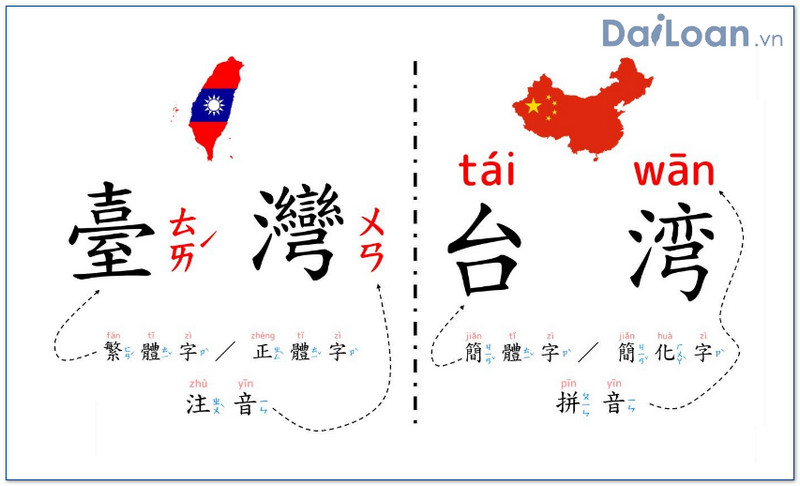

- 次 (cì): This character is often used to denote a sequence or order, similar to “second” in English. It can also relate to “next” or “lesser” in various contexts.
- 女 (nǚ): This character means “female” or “daughter.” It is a commonly used term in many words related to women.
How It Functions in Sentences
In grammatical terms, “次女” functions as a noun. It can serve as either a subject or an object within a sentence, depending on its placement and context.
Example Sentences Using “次女 (cì nǚ)”
To better illustrate the usage of “次女,” below are several example sentences:
1. Identifying Family Roles
我的次女喜欢画画。
(Wǒ de cì nǚ xǐhuān huàhuà.) – “My second daughter likes to draw.”
2. Discussing Birth Order
我们家有三个女儿,次女在学校表现最好。
(Wǒmen jiā yǒu sān gè nǚ’ér, cì nǚ zài xuéxiào biǎoxiàn zuì hǎo.) – “We have three daughters, and the second daughter performs the best in school.”
3. Cultural Context
在中国文化中,次女常常被期望承担特定的责任。
(Zài zhōngguó wénhuà zhōng, cì nǚ chángcháng bèi qīwàng chéngdān tèdìng de zérèn.) – “In Chinese culture, the second daughter is often expected to assume specific responsibilities.”
Conclusion
Understanding the term “次女 (cì nǚ)” enhances our appreciation of the nuances in the Chinese language, particularly regarding familial roles and birth order. By exploring its meaning, grammatical structure, and applications in sentences, we can gain greater insight into both the language and the culture it represents.
Whether you are learning Chinese or simply interested in linguistics, mastering terms like “次女” opens up new avenues for communication and understanding within the context of Chinese traditional values.


Sứ mệnh của Chuyên là giúp đỡ và truyền cảm hứng cho các bạn trẻ Việt Nam sang Đài Loan học tập, sinh sống và làm việc. Là cầu nối để lan tỏa giá trị tinh hoa nguồn nhân lực Việt Nam đến với Đài Loan và trên toàn cầu.
CÓ THỂ BẠN QUAN TÂM
Du học Đài Loan
Lao Động Đài Loan
Việc Làm Đài Loan
Đơn Hàng Đài Loan
Visa Đài Loan
Du Lịch Đài Loan
Tiếng Đài Loan
KẾT NỐI VỚI CHUYÊN
Zalo: https://zalo.me/0936126566
Website: www.dailoan.vn