


In the rich tapestry of the Chinese language, understanding phrases such as 胡說 (hú shuō) is essential for effective communication. This article delves into the meaning of 胡說, its grammatical structure, and provides practical examples to enhance your proficiency in Chinese.
What Does 胡說 (hú shuō) Mean?
胡說 literally translates to “talk nonsense” or “speak wildly.” It is often used to describe someone who is making frivolous or unfounded statements. The expression embodies both a sense of incredulity and a dismissive attitude towards the content being discussed.
Origins and Context
The term consists of two components: 胡 (hú), which can mean “nonsensical” or refer to the idea of randomness, and 說 (shuō), meaning “to speak” or “to say.” Thus, when combined, 胡說 captures the essence of speaking without regard for facts or reality. It is frequently used in casual conversations to call out exaggerated claims or disbelief in someone’s words.
Grammatical Structure of 胡說
Components
胡說 follows a straightforward structure, typical of many Chinese phrases. Understanding this structure will aid learners in recognizing its usage in different contexts:
- 胡 (hú) – An adjective denoting randomness or absurdity.
- 說 (shuō) – A verb meaning to speak or converse.
Sentence Construction
When using 胡說 in a sentence, it often appears in the following contexts:

- As a verb: Directly stating that someone is talking nonsense.
- As part of idiomatic expressions: Used to emphasize the absurdity of a statement or claim.
Example Sentences Using 胡說
To illustrate the usage of 胡說 in everyday conversations, here are some example sentences:
1. Basic Usage
他真是胡說八道!(Tā zhēn shì hú shuō bādào!) – “He is really talking nonsense!”
This sentence demonstrates the usage of 胡說 in a straightforward manner, denouncing someone’s statements as absurd.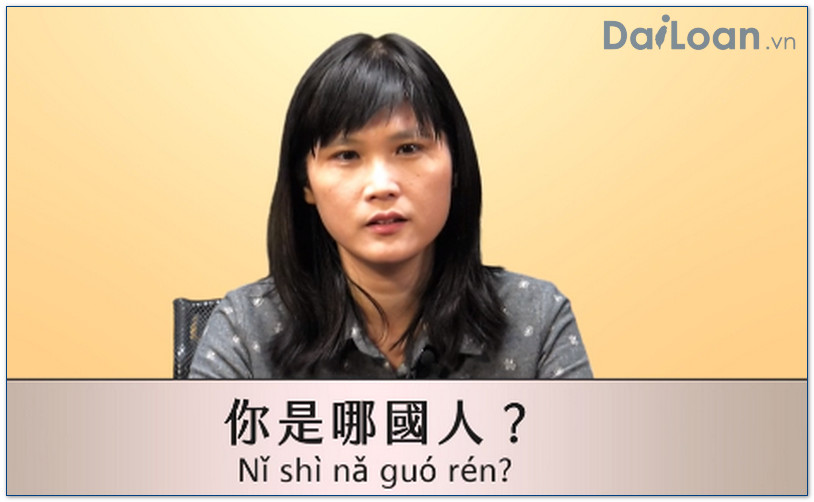

2. Making a Point
你這樣胡說,誰會相信你呢?(Nǐ zhèyàng hú shuō, shéi huì xiāngxìn nǐ ne?) – “If you talk like that, who will believe you?”
Here, 胡說 is used to challenge someone’s credibility and underlines the unlikeliness of being taken seriously.
3. Expressing Disbelief
別胡說!我不會上當的!(Bié hú shuō! Wǒ bù huì shàngdàng de!) – “Don’t talk nonsense! I won’t be fooled!”
This example illustrates how 胡說 can serve as a strong rebuttal in conversations where manipulation or deceit is suspected.
4. Contextual Use
在這種情況下,胡說是不明智的。(Zài zhè zhǒng qíngkuàng xià, hú shuō shì bù míngzhì de.) – “In this situation, speaking nonsense is unwise.”
This sentence emphasizes the idea that minor exaggerations or nonsensical statements can have serious consequences.
Conclusion
Understanding 胡說 (hú shuō) and its context is vital for anyone looking to master the Chinese language. This phrase not only enriches vocabulary but also builds discernment in conversation, allowing speakers to engage critically with what they hear. By incorporating 胡說 into your lexicon, you will not only enhance your linguistic skills but also your ability to communicate effectively in various social settings.
As you continue your journey through the Chinese language, remember that every phrase you learn brings you closer to fluency and deeper cultural understanding.


Sứ mệnh của Chuyên là giúp đỡ và truyền cảm hứng cho các bạn trẻ Việt Nam sang Đài Loan học tập, sinh sống và làm việc. Là cầu nối để lan tỏa giá trị tinh hoa nguồn nhân lực Việt Nam đến với Đài Loan và trên toàn cầu.
CÓ THỂ BẠN QUAN TÂM
Du học Đài Loan
Lao Động Đài Loan
Việc Làm Đài Loan
Đơn Hàng Đài Loan
Visa Đài Loan
Du Lịch Đài Loan
Tiếng Đài Loan
KẾT NỐI VỚI CHUYÊN
Zalo: https://zalo.me/0936126566
Website: www.dailoan.vn