


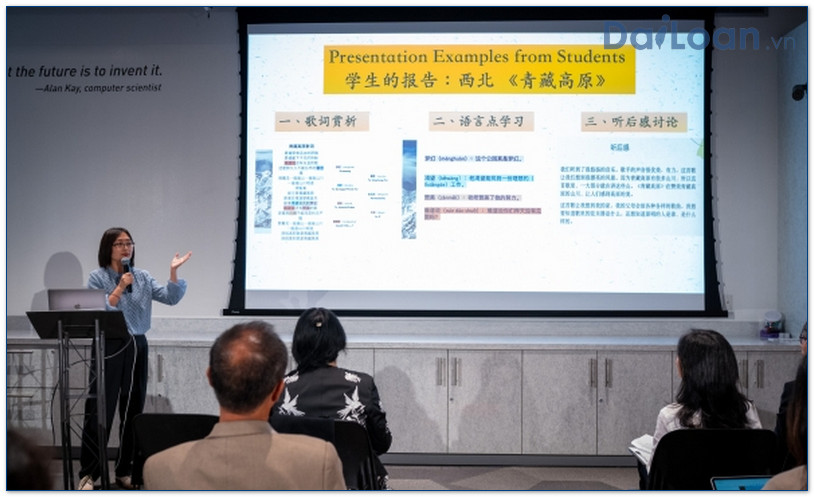
In the realm of the Chinese language, some words carry deep emotional significance. One such term is 衷心 (zhōng xīn), often translated as “sincere” or “heartfelt.” In this article, we will delve into the meaning, grammatical structure, and practical example sentences that demonstrate how to use this beautiful term in conversation.
What Does 衷心 (zhōng xīn) Mean?
The term 衷心 (zhōng xīn) combines two characters: 衷 (zhōng), meaning “inner” or “heartfelt,” and 心 (xīn), which translates to “heart.” Together, they express a profound sense of sincerity and devotion. It is often used in contexts where deep emotions are conveyed, such as heartfelt greetings or expressions of gratitude.
Emotional Context of 衷心
In Chinese culture, expressing emotions is nuanced, and 衷心 reflects the importance of sincerity. For example, one might use 衷心 in a message of thanks or in a heartfelt conversation to emphasize the genuineness of their feelings.
Grammatical Structure of 衷心
From a grammatical perspective, 衷心 (zhōng xīn) functions primarily as an adjective. It can modify nouns to describe something that is sincere or heartfelt. This structure is important for learners to understand as it helps in constructing meaningful sentences.
Components of the Structure
- Adjective: 衷心 modifies nouns in various contexts (e.g., 衷心的祝福 – “heartfelt blessings”).
- Usage: 衷心 can be used in both formal and informal contexts.
Example Sentences Using 衷心
To solidify understanding, let’s look at some example sentences that incorporate 衷心 (zhōng xīn).
Everyday Usage
- 我衷心感谢你给我的帮助。
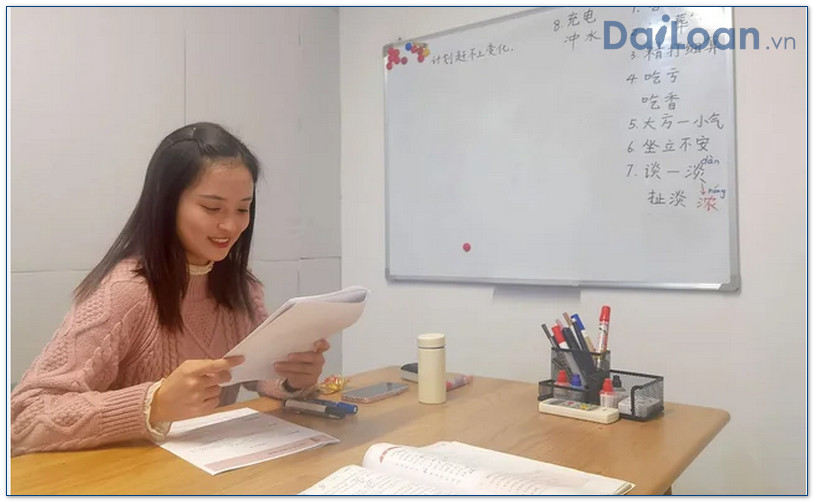
“I sincerely thank you for your help.” - 衷心祝福你生日快乐! (Zhōng xīn zhù fú nǐ shēng rì kuài lè!)
“I wholeheartedly wish you a happy birthday!”


Formal Contexts
- 我们衷心希望能与贵公司合作。 (Wǒ men zhōng xīn xī wàng néng yǔ guì gōng sī hé zuò.)
“We sincerely hope to cooperate with your esteemed company.” - 衷心感谢所有支持我们的朋友。 (Zhōng xīn gǎn xiè suǒ yǒu zhī chí wǒ men de péng yǒu.)
“Heartfelt thanks to all the friends who supported us.”
Conclusion
Understanding 衷心 (zhōng xīn) enriches your grasp of the Chinese language, especially in expressing genuine emotions. This term is a testament to the importance of heartfelt communication in relationships, whether personal or professional. By using the examples provided, learners can effectively incorporate 衷心 into their vocabulary, enhancing their fluency and ability to connect sincerely in Chinese.


Sứ mệnh của Chuyên là giúp đỡ và truyền cảm hứng cho các bạn trẻ Việt Nam sang Đài Loan học tập, sinh sống và làm việc. Là cầu nối để lan tỏa giá trị tinh hoa nguồn nhân lực Việt Nam đến với Đài Loan và trên toàn cầu.
CÓ THỂ BẠN QUAN TÂM
Du học Đài Loan
Lao Động Đài Loan
Việc Làm Đài Loan
Đơn Hàng Đài Loan
Visa Đài Loan
Du Lịch Đài Loan
Tiếng Đài Loan
KẾT NỐI VỚI CHUYÊN
Zalo: https://zalo.me/0936126566
Website: www.dailoan.vn