


What is 阿姨 (āyí)?
In Mandarin Chinese, the term 阿姨 (āyí) primarily means “aunt.” It is used to refer to a mother’s sister or a close family friend who is older than oneself. However, the term carries additional implications in colloquial language, often extending to any woman in a position of care or authority, such as nannies or domestic workers.
Grammatical Structure of 阿姨 (āyí)
The term 阿姨 (āyí) consists of two characters: 阿 (ā) and 姨 (yí). The character 阿 (ā) is a verbal prefix that can denote familiarity or endearment, while 姨 (yí) specifically means “aunt” or “mother’s sister.” This structure reflects a level of intimacy and respect inherent in addressing older women in Chinese culture.
Character Breakdown
- 阿 (ā): This prefix is commonly used in familial terms and names, serving to soften and warm the relationship.
- 姨 (yí): This character denotes the familial role of an aunt and forms a significant aspect of the traditional Chinese family structure.
Example Sentences Using 阿姨 (āyí)
Common Usage in Conversation
Here are several example sentences demonstrating the usage of 阿姨 (āyí) in different contexts:
1. Family Context
我昨天去看我的阿姨。
Wǒ zuótiān qù kàn wǒ de āyí. (I visited my aunt yesterday.)
2. Respectful Address
阿姨,请问您有多少钱?
Āyí, qǐngwèn nín yǒu duōshǎo qián? (Auntie, may I ask how much money you have?)
3. Calling a Caregiver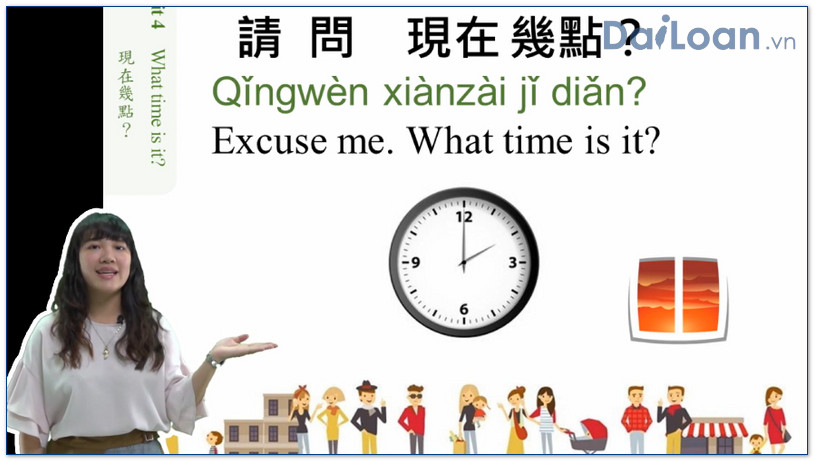

阿姨,能帮我带孩子吗?
Āyí, néng bāng wǒ dài háizi ma? (Auntie, can you help me look after the children?)
4. Colloquial Use
那家店的阿姨总是很友好。
Nà jiā diàn de āyí zǒng shì hěn yǒuhǎo. (The ladies at that shop are always very friendly.)
Cultural Significance of 阿姨 (āyí)
The term 阿姨 (āyí) embodies more than its literal meaning; it reflects the values of respect and familial bonds within Chinese culture. Using this term can strengthen social ties and convey a sense of belonging and warmth in interpersonal relationships.
In Family Relations

The use of “阿姨” extends beyond blood relations, symbolizing familiarity. This closeness is essential in Chinese communities, where familial respect influences social interactions and obligations.
In Everyday Life
In modern settings, “阿姨” can refer to caregivers or women helping in household duties, illustrating the ongoing evolution of this term’s usage as society changes.
Conclusion

Understanding the meaning, grammatical structure, and usage of 阿姨 (āyí) not only enhances your Chinese language proficiency but also enriches your insight into Chinese cultural dynamics. By employing this term appropriately, you can foster deeper connections and convey respect, whether in familial or social contexts.


Sứ mệnh của Chuyên là giúp đỡ và truyền cảm hứng cho các bạn trẻ Việt Nam sang Đài Loan học tập, sinh sống và làm việc. Là cầu nối để lan tỏa giá trị tinh hoa nguồn nhân lực Việt Nam đến với Đài Loan và trên toàn cầu.
CÓ THỂ BẠN QUAN TÂM
Du học Đài Loan
Lao Động Đài Loan
Việc Làm Đài Loan
Đơn Hàng Đài Loan
Visa Đài Loan
Du Lịch Đài Loan
Tiếng Đài Loan
KẾT NỐI VỚI CHUYÊN
Zalo: https://zalo.me/0936126566
Website: www.dailoan.vn