


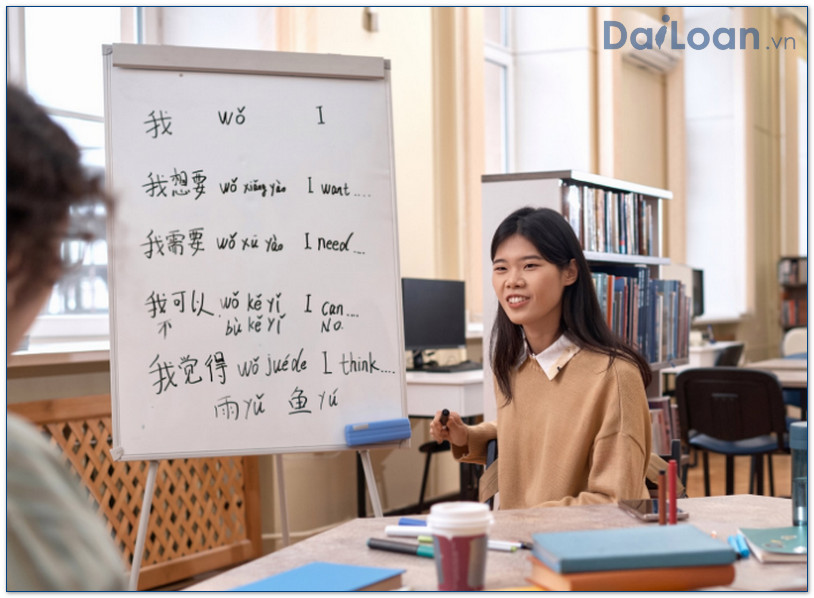
The Chinese character 飽 (bǎo)

What Does 飽 (bǎo) Mean?
The character 飽 (bǎo) primarily means “full” or “satiated,” particularly in the context of having eaten enough food. It encapsulates the sense of being satisfied after a meal.
Commonly used in everyday conversations, 飽 can describe a state of contentment after dining, and it can also be applied metaphorically to express fullness in other contexts, such as emotions or experiences.
Grammatical Structure of 飽
Grammatically, 飽 functions as a verb or an adjective within sentences. It can be used in various structures, such as:
1. As a Verb
When used as a verb, 飽 indicates the action of becoming full. The structure for this usage typically follows the pattern:
- Subject + 飽 + Object
Example: 我吃饱了。(Wǒ chī bǎo le.) – “I am full after eating.”
2. As an Adjective
As an adjective, 飽 describes the state of being full. In this case, it is often used with the copula 是 (shì):
- Subject + 是 + 飽
Example: 这顿饭真饱。(Zhè dùn fàn zhēn bǎo.) – “This meal is truly filling.”

Example Sentences Using 飽
To further solidify your understanding of 飽, let’s look at a selection of example sentences that demonstrate its use in different contexts.
Simple Sentences
- 他吃得很飽。(Tā chī de hěn bǎo.) – “He ate until he was full.”
- 我现在很飽。(Wǒ xiànzài hěn bǎo.) – “I am very full right now.”
With Complements
- 她点了太多菜,结果吃得很飽。(Tā diǎn le tài duō cài, jiéguǒ chī de hěn bǎo.) – “She ordered too many dishes and ended up very full.”
- 我们家常常吃饱就不吃零食。(Wǒmen jiā chángcháng chī bǎo jiù bù chī língshí.) – “We often don’t eat snacks after we’re full at home.”
Expanded Contexts
飽 can also extend to metaphorical meanings. Here are examples illustrating broader use:
- 阅读使我心灵飽满。(Yuèdú shǐ wǒ xīnlíng bǎo mǎn.) – “Reading fills my soul.”
- 他的旅行让我心中飽含感动。(Tā de lǚxíng ràng wǒ xīnzhōng bǎo hán gǎndòng.) – “His journey fills me with emotions.”
Conclusion
The word 飽 (bǎo) is not just about being full from food; it embodies a deeper sense of satisfaction and contentment that can apply to numerous areas in life. Understanding its grammatical structure and usage through various example sentences can significantly enhance your fluency in the Chinese language. Now that you are well-acquainted with 飽, feel confident in using it in your conversations, and explore the rewarding possibilities of expressing fullness—both physical and metaphorical—in your daily life.


Sứ mệnh của Chuyên là giúp đỡ và truyền cảm hứng cho các bạn trẻ Việt Nam sang Đài Loan học tập, sinh sống và làm việc. Là cầu nối để lan tỏa giá trị tinh hoa nguồn nhân lực Việt Nam đến với Đài Loan và trên toàn cầu.
CÓ THỂ BẠN QUAN TÂM
Du học Đài Loan
Lao Động Đài Loan
Việc Làm Đài Loan
Đơn Hàng Đài Loan
Visa Đài Loan
Du Lịch Đài Loan
Tiếng Đài Loan
KẾT NỐI VỚI CHUYÊN
Zalo: https://zalo.me/0936126566
Website: www.dailoan.vn