



In the vast landscape of the Chinese language, certain terms encapsulate profound meanings and serve crucial grammatical functions. One such term is 互相 (hù xiāng), which plays an essential role in daily communication. In this article, we will delve deeply into the meaning of 互相, its grammatical structure, and provide multiple example sentences to illustrate its usage, allowing learners and enthusiasts alike to enhance their understanding of this important expression.
What Does 互相 (hù xiāng) Mean?
The term 互相 (hù xiāng) translates literally to “mutually” or “reciprocally” in English. It emphasizes a two-way relationship or action between subjects. In usage, 互相 suggests that two or more parties are engaging in actions that affect each other, highlighting an element of interaction or exchange.
Contexts of Use
互相 is commonly used in various contexts. Here are some common scenarios where you might encounter this expression:
- Expressing mutual help among friends or family members.
- Indicating reciprocal actions, such as giving and receiving.
- Discussing relationships, whether personal or professional, that involve shared responsibilities.
Grammatical Structure of 互相
Let’s break down the grammatical structure of 互相. In Chinese, 互相 functions as an adverb, modifying verbs to indicate the nature of the action being taken. It can form part of more complex structures in sentences.
Basic Structure
The typical usage structure with 互相 is:
Subject + 互相 + Verb + (Object)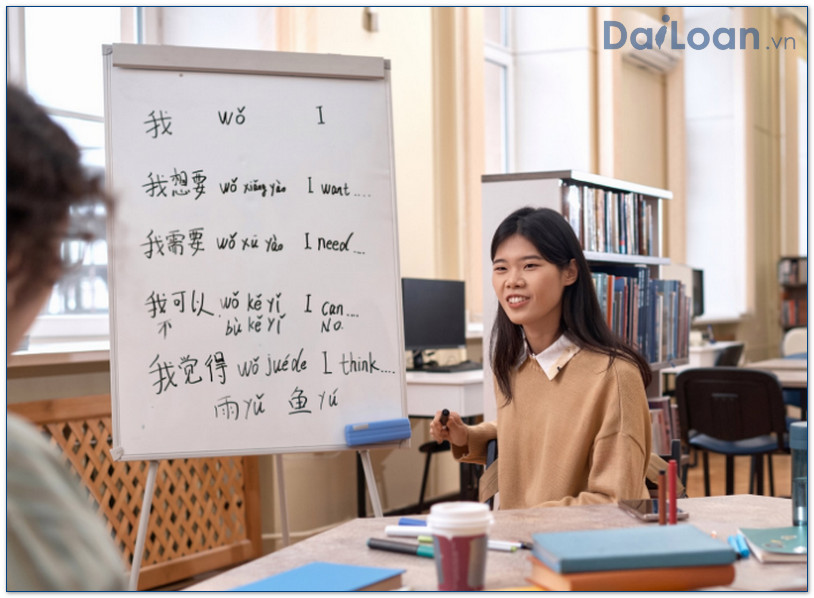

In this structure, “Subject” refers to the parties involved, “Verb” signifies the action being taken, and “Object” is what is being acted upon. The inclusion of 互相 underscores that the action is mutual or reciprocal.
Examples of Grammatical Variation
In more complex sentences, you may also see 互相 used in conjunction with additional elements, such as:
Subject + 互相 + Verb + Object + ComplementThis flexibility allows for nuanced sentence construction that can adapt to different contexts and convey deeper meaning.
Example Sentences Using 互相
To solidify our understanding, here are several example sentences that illustrate the use of 互相 in different contexts:
Everyday Interactions
- 我们应该互相帮助。 (Wǒmen yīnggāi hùxiāng bāngzhù.)
Translation: We should help each other. - 他们互相理解对方。 (Tāmen hùxiāng lǐjiě duìfāng.)
Translation: They understand each other mutually.
Professional Situations
- 同事们应该互相支持。 (Tóngshì men yīnggāi hùxiāng zhīchí.)
Translation: Colleagues should support each other. - 在团队中,我们互相交流思想。 (Zài tuánduì zhōng, wǒmen hùxiāng jiāoliú sīxiǎng.)
Translation: In the team, we exchange ideas with each other.
Social Relationships
- 朋友之间应该互相尊重。 (Péngyǒu zhījiān yīnggāi hùxiāng zūnzhòng.)
Translation: Friends should respect each other. - 家人应该互相理解和包容。 (Jiārén yīnggāi hùxiāng lǐjiě hé bāoróng.)
Translation: Family members should understand and tolerate each other.
Conclusion
In conclusion, understanding the term 互相 (hù xiāng) is critical for conversing in Chinese, as it underscores reciprocity and mutual involvement. By grasping its meaning, grammatical structure, and practical applications through example sentences, learners can elevate their language proficiency. Whether you’re assisting friends, collaborating with colleagues, or nurturing family relationships, using 互相 will enrich your Chinese language journey and enhance your interactions within the culture.


Sứ mệnh của Chuyên là giúp đỡ và truyền cảm hứng cho các bạn trẻ Việt Nam sang Đài Loan học tập, sinh sống và làm việc. Là cầu nối để lan tỏa giá trị tinh hoa nguồn nhân lực Việt Nam đến với Đài Loan và trên toàn cầu.
CÓ THỂ BẠN QUAN TÂM
Du học Đài Loan
Lao Động Đài Loan
Việc Làm Đài Loan
Đơn Hàng Đài Loan
Visa Đài Loan
Du Lịch Đài Loan
Tiếng Đài Loan
KẾT NỐI VỚI CHUYÊN
Zalo: https://zalo.me/0936126566
Website: www.dailoan.vn