


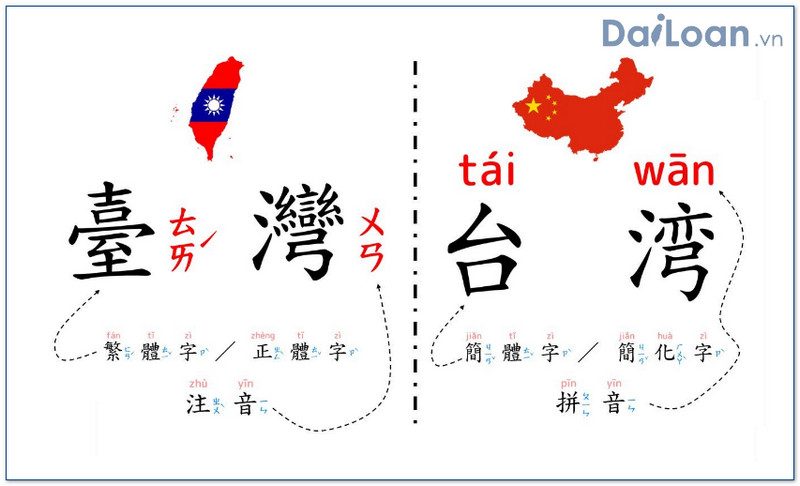
Introduction to 人權
The term 人權 (rén quán) translates to “human rights” in English. In recent years, the concept of human rights has gained significant global attention, making it crucial for learners of the Chinese language to understand this term deeply. In this article, we will explore the meaning of 人權, its grammatical structure, and provide a variety of example sentences to illustrate its usage.
Meaning of 人權 (rén quán)
人權 is composed of two characters: 人 (rén) meaning “person” or “human,” and 權 (quán) meaning “rights” or “power.” Together, these characters represent the fundamental rights and freedoms to which all humans are entitled. The term encompasses various aspects of social justice, freedom of speech, equality, and the protection of individuals against abuses.
Grammatical Structure of 人權

Breakdown of the Term
In terms of Mandarin grammar, 

- 人 (rén): This character can stand alone to mean “person” and is a common radical found in many Chinese characters.
- 權 (quán): This character conveys the idea of rights or power, often associated with legal authority or entitlements.
Usage in Sentences
In practical terms, 人權 is often used in discussions about law, ethics, and social issues. The context in which it appears can vary widely from diplomatic talks to everyday conversations about societal issues.
Example Sentences Using 人權
Contextual Usage
Here are some example sentences that illustrate how 人權 is used in different contexts:
- 每個人都應該享有基本的人權。
(Měi gè rén dōu yīng gāi xiǎng yǒu jī běn de rénquán.)
“Everyone should enjoy basic human rights.” - 人權的重要性不可忽視。
(Rénquán de zhòngyào xìng bùkě hūshì.)
“The importance of human rights cannot be overlooked.” - 我們需要保護每個人的人權。
(Wǒmen xūyào bǎohù měi gè rén de rénquán.)
“We need to protect everyone’s human rights.” - 政府應該尊重國際人權標準。
(Zhèngfǔ yīnggāi zūnzhòng guójì rénquán biāozhǔn.)
“The government should respect international human rights standards.” - 對抗人權侵犯是每個人的責任。
(Duìkàng rénquán qīnfàn shì měi gè rén de zérèn.)
“Combating human rights violations is everyone’s responsibility.”
Conclusion
Understanding the term 人權 (rén quán) is essential not only for mastering the Chinese language but also for grasping important global concepts surrounding human rights. By familiarizing ourselves with its meaning, grammatical structure, and usage, we empower ourselves to engage in deeper dialogues about humanity and compassion. Whether you are learning Chinese for personal enrichment or professional purposes, integrating terms like 人權 into your vocabulary will enhance your communication and comprehension.
Further Learning Resources
For those interested in deepening their knowledge of Chinese language and culture, consider utilizing various language learning apps, online courses, and engaging with native speakers. Joining community discussions or volunteering for human rights organizations can also provide practical insights and enhance your understanding of the term 人權 and its global implications.


Sứ mệnh của Chuyên là giúp đỡ và truyền cảm hứng cho các bạn trẻ Việt Nam sang Đài Loan học tập, sinh sống và làm việc. Là cầu nối để lan tỏa giá trị tinh hoa nguồn nhân lực Việt Nam đến với Đài Loan và trên toàn cầu.
CÓ THỂ BẠN QUAN TÂM
Du học Đài Loan
Lao Động Đài Loan
Việc Làm Đài Loan
Đơn Hàng Đài Loan
Visa Đài Loan
Du Lịch Đài Loan
Tiếng Đài Loan
KẾT NỐI VỚI CHUYÊN
Zalo: https://zalo.me/0936126566
Website: www.dailoan.vn