


In the vast landscape of the Chinese language, certain words and phrases stand out due to their versatility and significance. One such term is 似乎 (sì hū) or 似 (sì), which holds a unique position in Mandarin Chinese. This article delves into the meaning, grammatical structure, and various example sentences to illustrate how to effectively use these terms in everyday speech.
What Does 似乎/似 (sì hū/sì) Mean?
The term 似乎 (sì hū) translates to “seems” or “appears” in English. It is used to express uncertainty or to indicate that something is perceived in a particular way. On the other hand, 似 (sì) serves as a verb meaning “to be similar to” or “to resemble.” Both terms convey a sense of approximation or conjecture.
1. The Meaning of 似乎 (sì hū)
Finally, to add an additional layer of understanding, 似乎 (sì hū) is often employed when making assumptions or hypotheses based on observations. For example:
- 他似乎很累。(Tā sì hū hěn lèi.) = He seems very tired.
- 今天似乎要下雨。(Jīntiān sì hū yào xià yǔ.) = It seems like it’s going to rain today.
2. The Meaning of 似 (sì)

On its own, 似 (sì) can be used in various contexts to indicate similarity. For instance:
- 这本书似乎很有趣。(Zhè běn shū sì hū hěn yǒuqù.) = This book seems interesting.

- 他看起来似乎很开心。(Tā kàn qǐlái sì hū hěn kāixīn.) = He appears to be very happy.
Grammatical Structure of 似乎/似 (sì hū/sì)
Understanding the grammatical structure of 似乎 (sì hū) and 似 (sì) is essential for learners of Mandarin Chinese. The usage of these terms follows specific patterns that enhance clarity and coherence in communication.
1. Structure of 似乎 (sì hū)
When using 似乎 (sì hū), it typically follows the subject of the sentence and precedes the main verb or adjective. For example:
- 她似乎知道这个秘密。(Tā sì hū zhīdào zhège mìmì.) = She seems to know this secret.
2. Structure of 似 (sì)
In contrast, 似 (sì) is frequently followed by a noun or adjective, allowing it to express resemblance or similarity. For example:
- 这件衣服似乎那件一样。(Zhè jiàn yīfú sì hū nà jiàn yīyàng.) = This piece of clothing resembles that one.
Example Sentences Using 似乎/似 (sì hū/sì)
To further illustrate the applications of these terms, we can explore a collection of example sentences demonstrating how 似乎 (sì hū) and 似 (sì) can be used in various contexts.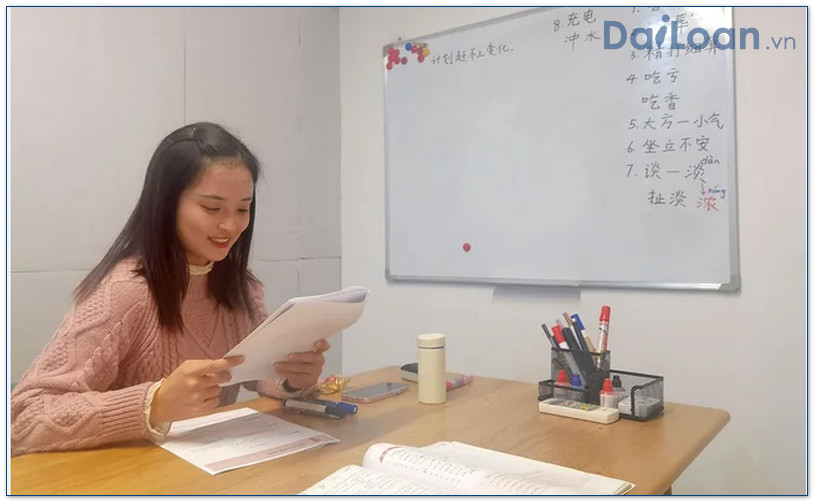

1. Sentences with 似乎 (sì hū)
- 他似乎不喜欢这部电影。(Tā sì hū bù xǐhuān zhè bù diànyǐng.) = He seems to not like this movie.
- 天气似乎有所变化。(Tiānqì sì hū yǒu suǒ biànhuà.) = The weather seems to have changed.
- 我似乎又忘记了他的名字。(Wǒ sì hū yòu wàngjìle tā de míngzì.) = I seem to have forgotten his name again.
2. Sentences with 似 (sì)
- 这条狗似乎是那只的兄弟。(Zhè tiáo gǒu sì hū shì nà zhī de xiōngdì.) = This dog seems to be the brother of that one.
- 他的声音似乎很温柔。(Tā de shēngyīn sì hū hěn wēnróu.) = His voice appears to be very gentle.
- 这道菜似乎很受欢迎。(Zhè dào cài sì hū hěn shòu huānyíng.) = This dish seems to be very popular.
Common Mistakes When Using 似乎/似 (sì hū/sì)
Language learners often encounter challenges when attempting to integrate 似乎 (sì hū) and 似 (sì) into their speech. Below are some common errors to avoid:
1. Overusing 似乎 (sì hū)
While 似乎 is useful for expressing uncertainty, it should be used judiciously. Overuse may lead to ambiguity or a lack of confidence in statements.
2. Confusing 似 (sì) with Similar Terms
Some learners mistakenly conflate 似 (sì) with other similar terms like 像 (xiàng) or 相似 (xiāngsì). Understanding the subtle distinctions can aid better communication.
Conclusion
In conclusion, mastering the usage of 似乎 (sì hū) and 似 (sì) is essential for anyone wishing to enhance their Mandarin proficiency. By grasping their meanings, grammatical structures, and by practicing with diverse example sentences, learners can more effectively communicate nuances and assumptions in everyday dialogue. As with any language skill, regular practice and application will lead to greater fluency and confidence in using these versatile expressions.


Sứ mệnh của Chuyên là giúp đỡ và truyền cảm hứng cho các bạn trẻ Việt Nam sang Đài Loan học tập, sinh sống và làm việc. Là cầu nối để lan tỏa giá trị tinh hoa nguồn nhân lực Việt Nam đến với Đài Loan và trên toàn cầu.
CÓ THỂ BẠN QUAN TÂM
Du học Đài Loan
Lao Động Đài Loan
Việc Làm Đài Loan
Đơn Hàng Đài Loan
Visa Đài Loan
Du Lịch Đài Loan
Tiếng Đài Loan
KẾT NỐI VỚI CHUYÊN
Zalo: https://zalo.me/0936126566
Website: www.dailoan.vn