


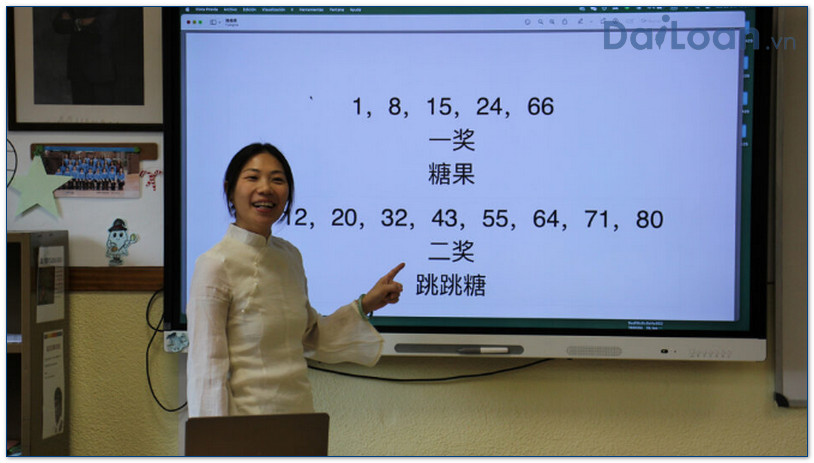
Introduction to 例外 (lì wài)
The term 例外 (lì wài) is an essential concept in the Chinese language, translating to “exception” in English. This article delves into its meaning, grammatical structure, and provides example sentences to illustrate its use in various contexts. Understanding this term can greatly enhance your grasp of Chinese language nuances.
Meaning of 例外 (lì wài)
例外 refers to a case that is different from a general rule, norm, or expectation. It signifies something that does not conform to regular patterns or classifications. Examples of usage can be found in legal contexts, everyday conversations, and even in academic discussions, making it a versatile word in the Chinese lexicon.
Contextual Significance
In daily life, we encounter many rules and exceptions. 例外 serves to highlight those instances that deviate from the norm, thereby enriching communication by introducing flexibility in understanding various situations.
Grammatical Structure of 例外 (lì wài)
To fully comprehend 例外, it’s critical to analyze its grammatical structure. 例外 is comprised of two characters: 例 (lì), meaning “example” or “case,” and 外 (wài), which translates to “outside” or “external.” Together, they convey the idea of something that exists outside the norm.
Character Breakdown
- 例 (lì): Referring to instances or examples.
- 外 (wài): Indicating ‘outside’ or ‘beyond.’
How 例外 Functions in Sentences
In terms of syntactical placement, 例外 is often utilized as a noun in sentences. It can function both as the subject or object, often paired with verbs such as 有 (yǒu – to have), 允许 (yǔnxǔ – to allow), or 作为 (zuòwéi – to act as).
Example Sentences Using 例外 (lì wài)
Everyday Usage
Here are some example sentences incorporating 例外 to reflect its practical application:
- 在这条规则下,只有两个例外。
(Zài zhè tiáo guīzé xià, zhǐyǒu liǎng gè lìwài.)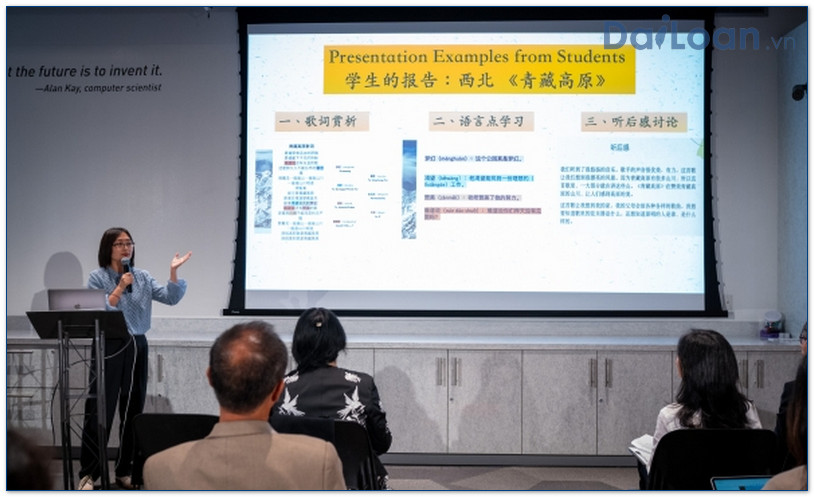
“Under this rule, there are only two exceptions.” - 所有的员工都需要参加培训,经理是个例外。
(Suǒyǒu de yuángōng dōu xūyào cānjiā péixùn, jīnglǐ shì gè lìwài.)
“All employees are required to attend training, the manager is an exception.” - 这是一个普遍的规则,应该只有极少的例外。
(Zhè shì yīgè pǔbiàn de guīzé, yīnggāi zhǐyǒu jí shǎo de lìwài.)
“This is a common rule; there should only be very few exceptions.”

Literary and Academic Contexts
In more formal contexts, such as academic writing or literature, 例外 can convey deeper nuances. Here are sentences suitable for these settings:
- 严重情况下,该政策允许某些例外。
(Yánzhòng qíngkuàng xià, gāi zhèngcè yǔnxǔ mǒuxiē lìwài.)
“In serious situations, the policy allows for certain exceptions.” - 他的观点与现有理论不符,然而他提出了一些例外。
(Tā de guāndiǎn yǔ xiàn yǒu lǐlùn bùfú, rán’ér tā tíchūle yīxiē lìwài.)
“His viewpoint does not conform to existing theories; however, he proposed some exceptions.”
Conclusion

Understanding 例外 (lì wài) not only deepens your knowledge of the Chinese language but also enhances your ability to express concepts that involve deviation from the norm. By grasping its meaning, grammatical structure, and contextual usage, learners can effectively communicate complex ideas, making their interactions richer and more nuanced. As you continue your journey into the Chinese language, keep in mind the importance of exceptions, both linguistically and culturally.
Additional Resources
For further exploration of Chinese vocabulary and concepts, consider engaging with language exchange communities, utilizing language learning apps, and reading Chinese literature that highlights the use of such terms in context.


Sứ mệnh của Chuyên là giúp đỡ và truyền cảm hứng cho các bạn trẻ Việt Nam sang Đài Loan học tập, sinh sống và làm việc. Là cầu nối để lan tỏa giá trị tinh hoa nguồn nhân lực Việt Nam đến với Đài Loan và trên toàn cầu.
CÓ THỂ BẠN QUAN TÂM
Du học Đài Loan
Lao Động Đài Loan
Việc Làm Đài Loan
Đơn Hàng Đài Loan
Visa Đài Loan
Du Lịch Đài Loan
Tiếng Đài Loan
KẾT NỐI VỚI CHUYÊN
Zalo: https://zalo.me/0936126566
Website: www.dailoan.vn