


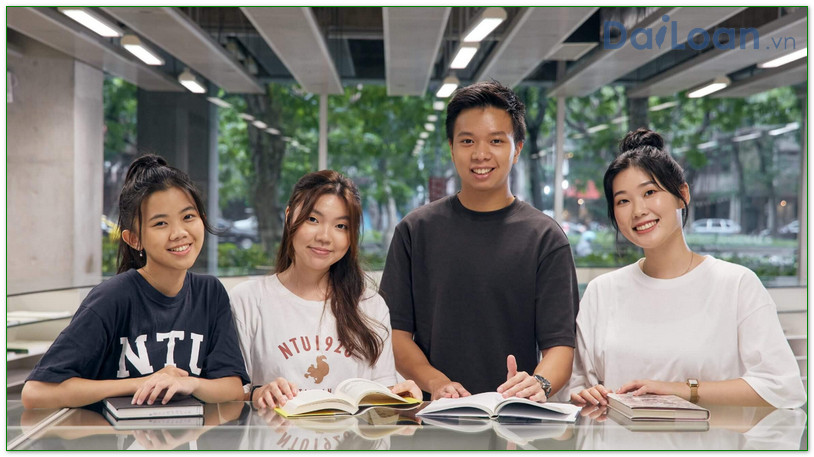
What is 個體 (gè tǐ)?
The term 個體 (gè tǐ) translates roughly to “individual” or “entity” in English. It is a noun that refers to a singular unit within a larger whole. In various contexts, this term can represent living beings as well as non-living entities. In the realm of sociology, it often describes individual persons within a society or a group, emphasizing their unique characteristics and autonomy.
Grammatical Structure of 個體

The structure of 個體 (gè tǐ) breaks down as follows:
- 個 (gè): A measure word often used for individual items or people. It is a common classifier in Mandarin Chinese.
- 體 (tǐ): This character means “body” or “form.” In conjunction with 個 (gè), it highlights the concept of an individual or a singular unit.
Together, these characters form a compound that conveys the idea of a distinct, self-contained unit. In grammatical terms, 個體 functions as a noun within a sentence and can be modified by adjectives and other words.
Pronunciation Class
The pronunciation of 個體 (gè tǐ) follows the Mandarin tones with ‘gè’ in the fourth tone and ‘tǐ’ in the third tone, which is crucial for proper communication.
Example Sentences Using 個體
To fully grasp the application of 個體 (gè tǐ), here are some example sentences:
1. In a Sociological Context
每個個體都有自己的獨特性。
(Měi gè gè tǐ dōu yǒu zìjǐ de dútèxìng.)
“Every individual has their unique characteristics.”
2. In a Biological Context
這個生態系統中的每個個體都對環境有所影響。
(Zhège shēngtài xìtǒng zhōng de měi gè gè tǐ dōu duì huánjìng yǒu suǒ yǐngxiǎng.)
“Each individual in this ecosystem impacts the environment.”

3. In Academic Discussions
在研究中,我們需要考慮到每個個體的差異。
(Zài yánjiū zhōng, wǒmen xūyào kǎolǜ dào měi gè gè tǐ de chāyì.)
“In research, we need to consider the differences of each individual.”
Conclusion
Understanding the term 個體 (gè tǐ) is essential for anyone looking to delve deeper into the Chinese language and its nuances. With its significance in describing individuality, it plays a crucial role across various disciplines, from sociology to biology. Using the example sentences provided, learners can practice and become more fluent in their use of this important term. Embrace the complexity of the language and enhance your vocabulary with individual terms like 個體, enriching your understanding of Chinese culture and communication.


Sứ mệnh của Chuyên là giúp đỡ và truyền cảm hứng cho các bạn trẻ Việt Nam sang Đài Loan học tập, sinh sống và làm việc. Là cầu nối để lan tỏa giá trị tinh hoa nguồn nhân lực Việt Nam đến với Đài Loan và trên toàn cầu.
CÓ THỂ BẠN QUAN TÂM
Du học Đài Loan
Lao Động Đài Loan
Việc Làm Đài Loan
Đơn Hàng Đài Loan
Visa Đài Loan
Du Lịch Đài Loan
Tiếng Đài Loan
KẾT NỐI VỚI CHUYÊN
Zalo: https://zalo.me/0936126566
Website: www.dailoan.vn