



What is 傳統 (chuántǒng)?
The term 傳統 (chuántǒng) translates to ‘tradition’ in English, encompassing the concept of cultural practices, beliefs, and customs that are passed down through generations. It roots itself deeply in Chinese culture, reflecting the values, norms, and practices that are preserved over time.
Historical Significance of 傳統
Traditions guide social behavior, instilling a sense of identity and continuity in communities. In the context of Chinese culture, 傳統 carries historical significance, linking current practices to ancestral legacies.
Grammatical Structure of 傳統 (chuántǒng)
In terms of grammar, 傳統 is a noun, which can function in various sentence structures to convey different meanings. The character 傳 (chuán) means ‘to pass on’ or ‘to transmit’, while 統 (tǒng) refers to ‘to unify’ or ‘to govern.’ Together, they articulate the concept of ‘passing down unified beliefs or customs.’
Breakdown of Character Components
- 傳 (chuán): Indicates transmission or communication.
- 統 (tǒng): Refers to unification and structure.
Example Sentences Using 傳統
Basic Usage
- 中國的傳統文化非常豐富。
- Zhōngguó de chuántǒng wénhuà fēicháng fēngfù. (Chinese traditional culture is very rich.)

Contextual Usage

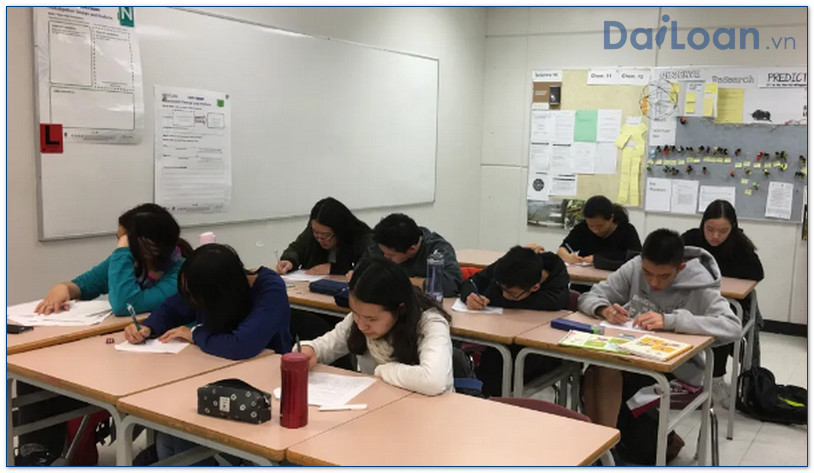
- 學校常常舉辦活動來弘揚傳統。
- Xuéxiào chángcháng jǔbàn huódòng lái hóngyáng chuántǒng. (Schools often hold events to promote traditions.)
Emphasizing Importance
- 傳統對於保持文化認同感是至關重要的。
- Chuántǒng duìyú bǎochí wénhuà rènùngǎn shì zhìguān zhòngyào de. (Tradition is essential for maintaining cultural identity.)
Conclusion
Understanding 傳統 (chuántǒng) enriches our appreciation of Chinese culture and provides insight into the values that shape Chinese society. This exploration of its meaning, grammatical structure, and practical examples demonstrates the importance of tradition in contemporary contexts.


Sứ mệnh của Chuyên là giúp đỡ và truyền cảm hứng cho các bạn trẻ Việt Nam sang Đài Loan học tập, sinh sống và làm việc. Là cầu nối để lan tỏa giá trị tinh hoa nguồn nhân lực Việt Nam đến với Đài Loan và trên toàn cầu.
CÓ THỂ BẠN QUAN TÂM
Du học Đài Loan
Lao Động Đài Loan
Việc Làm Đài Loan
Đơn Hàng Đài Loan
Visa Đài Loan
Du Lịch Đài Loan
Tiếng Đài Loan
KẾT NỐI VỚI CHUYÊN
Zalo: https://zalo.me/0936126566
Website: www.dailoan.vn