


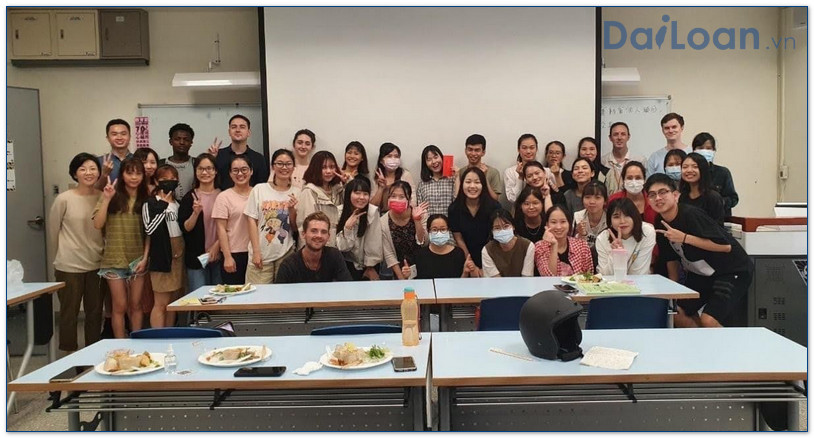
The term 全體 (quán tǐ) is an essential expression in Mandarin Chinese, often used in various contexts to denote the concept of “entirety” or “whole.” In this article, we will explore the meaning, grammatical structure, and practical examples of using 全體, providing you with a comprehensive understanding of this term.
What is 全體 (quán tǐ)?
The word 全體 (quán tǐ) can be broken down into two characters: 全 (quán) which means “whole” or “complete,” and 體 (tǐ) which means “body” or “system.” Thus, the combination of these two characters translates to “the whole body” or “the entirety of something.” This term is widely used in both formal and informal contexts to refer to all members of a group or to signify completeness.
Contextual Meaning of 全體
- Collective Reference: 全體 is often used to refer to an entire group, such as 全體員工 (quán tǐ yuán gōng) meaning “all employees.”
- Complete Aspect:

- Formal Announcements: Commonly seen in formal communication, such as meetings or speeches where the speaker addresses a collective body.

Grammatical Structure of 全體
In Mandarin, 全體 typically functions as a noun. Understanding its grammatical structure is crucial for proper usage within sentences.
Components of the Grammatical Structure
- Subject Position: 全體 can serve as the subject of a sentence, indicating who or what is involved.
- Object Position: It can also function as an object, receiving the action of a verb.
- Modifier Position:全體 may be modified by adjectives or other descriptive phrases to provide context.
For instance, when used in the subject position, one might say:
- 全體參加者都會收到證書。
Quán tǐ cān jiā zhě dōu huì shōu dào zhèng shū.
“All participants will receive certificates.”
Example Sentences Using 全體
Here are several examples showcasing how 全體 can be used in different sentences:
Examples in Various Contexts
- Formal Announcement:
全體教職工今日會議請準時參加。
Translation: “All faculty and staff please attend the meeting on time today.” - Survey Results:
針對全體學生的調查結果顯示出明顯的趨勢。
Translation: “The survey results for all students show a clear trend.” - Team Performance:
我對全體團隊的表現非常滿意。
Translation: “I am very satisfied with the performance of the entire team.” - Community Involvement:
全體居民應該一起參與這個環保活動。
Translation: “All residents should participate in this environmental initiative together.” - Company Policy:

依照全體員工的意見,公司決定實施新政策。
Translation: “According to the opinions of all employees, the company has decided to implement a new policy.”

Conclusion
Understanding the term 全體 (quán tǐ) is vital for anyone looking to enhance their proficiency in Chinese. Its meaning, grammatical structure, and practical applications allow speakers to convey complete thoughts regarding groups and the entirety of situations. By incorporating the term into your vocabulary, you can enrich your communication skills in various settings, from formal meetings to casual conversations.
As you practice using 全體 in different contexts, you will gain greater confidence in navigating the complexities of the Chinese language.


Sứ mệnh của Chuyên là giúp đỡ và truyền cảm hứng cho các bạn trẻ Việt Nam sang Đài Loan học tập, sinh sống và làm việc. Là cầu nối để lan tỏa giá trị tinh hoa nguồn nhân lực Việt Nam đến với Đài Loan và trên toàn cầu.
CÓ THỂ BẠN QUAN TÂM
Du học Đài Loan
Lao Động Đài Loan
Việc Làm Đài Loan
Đơn Hàng Đài Loan
Visa Đài Loan
Du Lịch Đài Loan
Tiếng Đài Loan
KẾT NỐI VỚI CHUYÊN
Zalo: https://zalo.me/0936126566
Website: www.dailoan.vn