


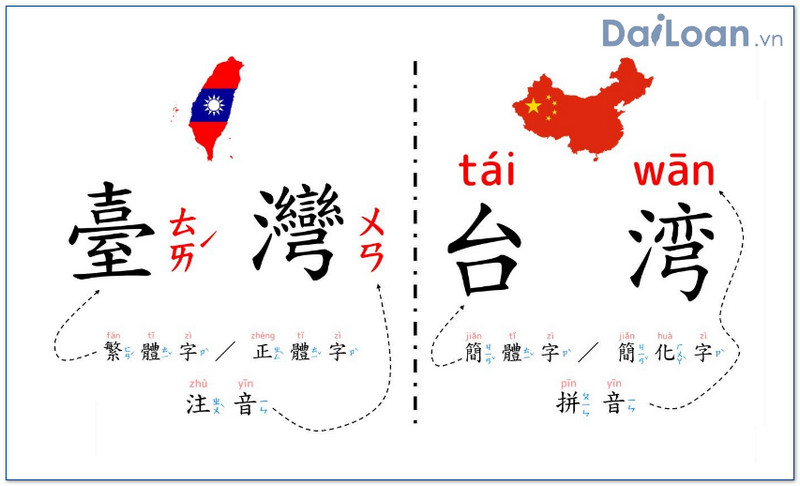
Introduction to 剝奪
The term 剝奪 (bō duó) is a significant word in the Chinese language that encompasses various meanings and applications. In this article, we will delve into its meaning, grammatical structure, and provide example sentences to enhance your understanding and usage of this term.
The Meaning of 剝奪
剝奪 (bō duó) primarily translates to “deprivation” or “to deprive.” It is often used in contexts referring to the removal or taking away of rights, possessions, or privileges. For example, when talking about denying someone their rights or taking away material possessions, this term is highly relevant. Understanding the nuances of this word is essential for precise expression in both written and spoken Chinese.
Contextual Usage
剝奪 can be utilized in various contexts, including legal terms, social discussions, and personal grievances. When someone feels that their rights have been taken away unjustly, they may express their sentiment using this term.
Grammatical Structure of 剝奪
From a grammatical perspective, 剝奪 (bō duó) functions as a verb in sentences, indicating an action. The structure is relatively straightforward:
- 剝奪 (bō duó) + object (the thing being deprived) + complement (optional)
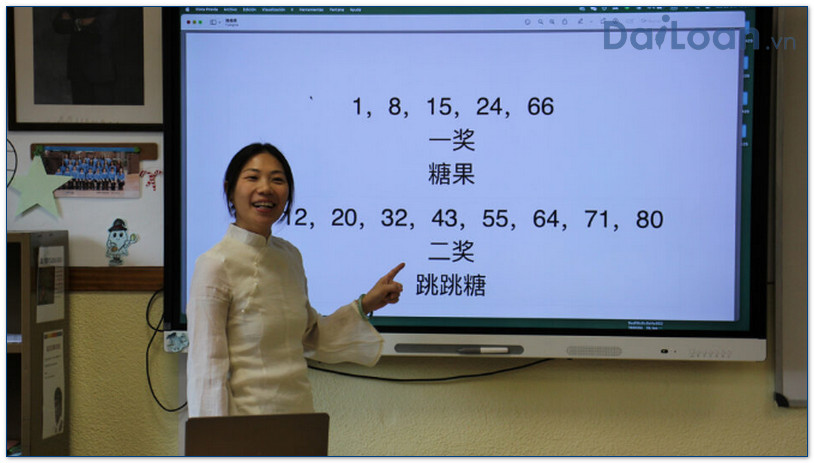

For instance, in a sentence like “剝奪了他的權利” (bō duó le tā de quánlì), which translates to “deprived him of his rights,” we can see how the term operates within a sentence.
Breaking Down the Components
- 剝 (bō): to peel or strip away.
- 奪 (duó): to seize or take away.
Together, these characters illustrate the essence of taking something away, emphasizing the act of deprivation.
Example Sentences Using 剝奪
To further illustrate the usage of 剝奪, here are several example sentences:
Example 1
剝奪他的自由是不公正的。
(bō duó tā de zìyóu shì bù gōngzhèng de.)
Translation: “Depriving him of his freedom is unjust.”
Example 2
這項法律剝奪了許多人的投票權。
(zhè xiàng fǎlǜ bō duó le xǔduō rén de tóupiàoquán.)
Translation: “This law deprived many people of their voting rights.”
Example 3
他們不知道剝奪環境權利的後果。
(tāmen bù zhīdào bō duó huánjìng quánlì de hòuguǒ.)
Translation: “They do not understand the consequences of depriving environmental rights.”
Conclusion
The understanding of 剝奪 (bō duó) and its applications can greatly enhance your fluency in Chinese. Recognizing its meaning, grammatical structure, and contextual usage allows for more effective communication and comprehension in various situations. As with any language, the mastery of specific terms like 剝奪 is essential for nuanced understanding and expression.
Further Learning
To continue expanding your knowledge of Chinese vocabulary, consider exploring related terms that deal with themes of rights, deprivation, and justice. Practice forming sentences using剝奪 to solidify your grasp on this important term.


Sứ mệnh của Chuyên là giúp đỡ và truyền cảm hứng cho các bạn trẻ Việt Nam sang Đài Loan học tập, sinh sống và làm việc. Là cầu nối để lan tỏa giá trị tinh hoa nguồn nhân lực Việt Nam đến với Đài Loan và trên toàn cầu.
CÓ THỂ BẠN QUAN TÂM
Du học Đài Loan
Lao Động Đài Loan
Việc Làm Đài Loan
Đơn Hàng Đài Loan
Visa Đài Loan
Du Lịch Đài Loan
Tiếng Đài Loan
KẾT NỐI VỚI CHUYÊN
Zalo: https://zalo.me/0936126566
Website: www.dailoan.vn