


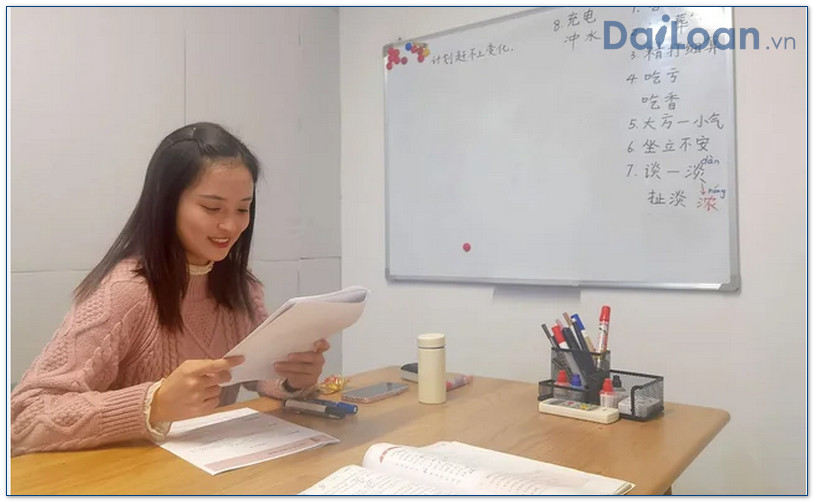
The term 加碼 (jiā mǎ) is a vital phrase in the Chinese language, especially prevalent in contexts such as finance, gaming, and informal discussions. In this article, we will delve deeper into the meaning, grammatical structure, and provide various example sentences to illustrate its usage.
What Does 加碼 (jiā mǎ) Mean?
加碼 (jiā mǎ) literally translates to “add code” but is commonly understood to mean “to increase” or “to add more” in a specific context. This term is often used in situations where there is an increase in something, especially in financial transactions, betting, or investments. Essentially, it’s about enhancing or augmenting what already exists.
Contextual Uses of 加碼
Understanding the contextual usage of 加碼 is crucial. For instance, in financial markets, one might use 加碼 when discussing increasing a stake in an investment. In the realm of entertainment or gaming, it can refer to boosting a bet or enhancing an offer.
Grammatical Structure of 加碼
To fully grasp 加碼, one must consider its grammatical composition.
Components of the Phrase
- 加 (jiā) – which means “to add” or “to increase.”
- 碼 (mǎ) – which translates as “code” or “number,” but in this context, it signifies an additional element or increment.
When combined, the phrase follows the standard subject-verb-object structure found in Mandarin Chinese, whereby 加碼 serves as a verb phrase indicating the action of adding more to something.
Example Sentences Using 加碼
To further illustrate the usage of 加碼, let’s examine some example sentences:
In Financial Contexts
- 在这个投资项目中,我们决定加碼我们的出资。
(In this investment project, we decided to increase our investment.) - 如果市场情况变好,我会加碼我的股票。
(If the market conditions improve, I will increase my stock holdings.)

In Gaming or Betting Contexts
- 在这场比赛中,我想加碼我的赌注。
(In this match, I want to raise my bet.) - 她决定在游戏中加碼,尝试获得更高的奖励。
(She decided to enhance her bet in the game to try for a higher reward.)
In Everyday Conversations
- 为了节省时间,我决定加碼做一些额外的工作。
(To save time, I decided to add some extra work.) - 他们的活动真的很有趣,我们可以加碼一些音乐。
(Their event is really fun; we can add some music.)
Conclusion
In summary, 加碼 (jiā mǎ) is a versatile term in the Chinese language that conveys the idea of increasing or adding more to various contexts. By understanding its meaning, grammatical structure, and seeing its application through example sentences, learners can effectively incorporate this useful phrase into their vocabulary. Whether discussing investments, gaming, or everyday actions, mastering 加碼 will enhance your command of the Chinese language.


Sứ mệnh của Chuyên là giúp đỡ và truyền cảm hứng cho các bạn trẻ Việt Nam sang Đài Loan học tập, sinh sống và làm việc. Là cầu nối để lan tỏa giá trị tinh hoa nguồn nhân lực Việt Nam đến với Đài Loan và trên toàn cầu.
CÓ THỂ BẠN QUAN TÂM
Du học Đài Loan
Lao Động Đài Loan
Việc Làm Đài Loan
Đơn Hàng Đài Loan
Visa Đài Loan
Du Lịch Đài Loan
Tiếng Đài Loan
KẾT NỐI VỚI CHUYÊN
Zalo: https://zalo.me/0936126566
Website: www.dailoan.vn