


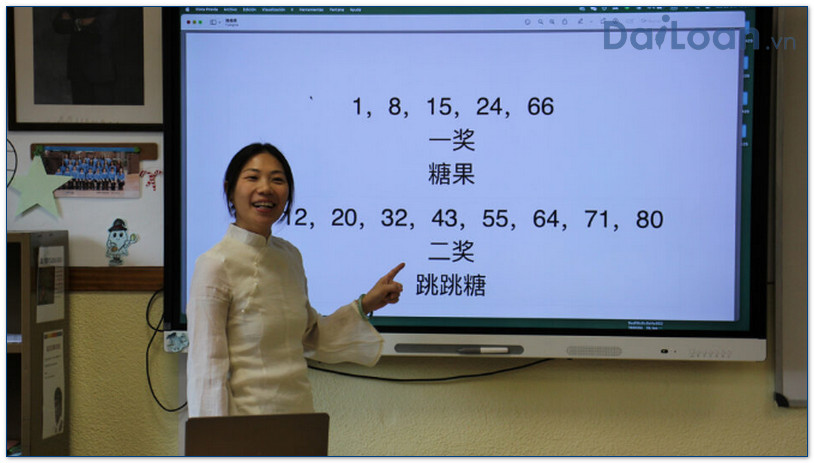
The Chinese character 包 (bāo) is a fascinating term that encapsulates various meanings and uses. As a language expert with over 20 years of experience, this article aims to provide an in-depth analysis of 包, including its meaning, grammatical structure, and usage in sentences. Whether you’re a student of Chinese or simply curious about the language, you’ll find valuable insights here.
What Does 包 (bāo) Mean?
包 (bāo) primarily means “to wrap” or “to contain.” It can refer to a physical act of enclosing something, but it also carries broader implications in different contexts. Below are the core meanings of 包:
- To Wrap: 包 indicates the action of wrapping something in a material.
- To Contain: It can describe something that holds or contains another item.
- Package: The term also means a package or parcel, often used in logistics and commerce.
- To Include: 带有 (dài yǒu) means to include, which derives from the broader meaning of 包.
Grammatical Structure of 包
包 (bāo) can function as a verb and a noun in Mandarin Chinese. Understanding how to use it grammatically can enhance your proficiency.
As a Verb
When used as a verb, 包 typically describes the action of wrapping something. For example:
- 包好这个礼物 (bāo hǎo zhège lǐwù) – “Wrap up this gift.”
- 请把书包好 (qǐng bǎ shū bāo hǎo) – “Please package the books neatly.”
In this context, 包 is followed by the object being wrapped and can be used with different complements, such as 好 (hǎo), to indicate a completed action.
As a Noun
包 can also be used as a noun to describe a package or something that is wrapped. For example:
- 我收到了一个包 (wǒ shōudàole yīgè bāo) – “I received a package.”
- 这个包里有什么? (zhège bāo lǐ yǒu shénme?) – “What is in this package?”
Example Sentences Using 包 (bāo)
To provide a deeper understanding, here are several sentences showcasing the various uses of 包:
Using 包 as a Verb
-
Chinese: 我帮你把这些水果包起来。
Pinyin: Wǒ bāng nǐ bǎ zhèxiē shuǐguǒ bāo qǐlái.
Translation: I’ll help you wrap these fruits. -
Chinese: 请把这件衣服包好。
Pinyin: Qǐng bǎ zhè jiàn yīfú bāo hǎo.
Translation: Please package this clothing nicely.
Using 包 as a Noun
-
Chinese: 她买了一个新包。
Pinyin:
Translation: She bought a new bag.
-
Chinese: 我要寄这个包。
Pinyin: Wǒ yào jì zhège bāo.
Translation: I want to send this package.


Conclusion
包 (bāo) is a versatile word in the Chinese language that serves multiple functions. Understanding its meaning, grammatical structure, and usage in context expands your vocabulary and enhances your ability to communicate effectively in Mandarin. With practice, you can incorporate this term into your daily conversations, further enriching your grasp of the language.
For learners of all levels, mastery of essential vocabulary like 包 is crucial. As you continue your journey in studying Chinese, remember that each character unveils a richer understanding of this beautiful language.


Sứ mệnh của Chuyên là giúp đỡ và truyền cảm hứng cho các bạn trẻ Việt Nam sang Đài Loan học tập, sinh sống và làm việc. Là cầu nối để lan tỏa giá trị tinh hoa nguồn nhân lực Việt Nam đến với Đài Loan và trên toàn cầu.
CÓ THỂ BẠN QUAN TÂM
Du học Đài Loan
Lao Động Đài Loan
Việc Làm Đài Loan
Đơn Hàng Đài Loan
Visa Đài Loan
Du Lịch Đài Loan
Tiếng Đài Loan
KẾT NỐI VỚI CHUYÊN
Zalo: https://zalo.me/0936126566
Website: www.dailoan.vn