


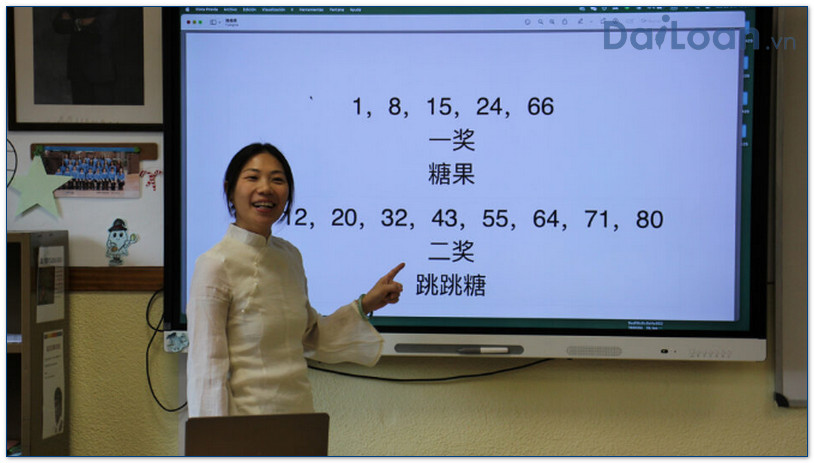
What is 半天 (bàn tiān)?
In Chinese, the term 半天 (bàn tiān) translates to “half a day.” It typically refers to a duration of time that is approximately four to six hours. This expression is used in various contexts, often to indicate a significant amount of time spent on an activity or to describe the passing of time in a concise manner. As a commonly used idiomatic phrase, it serves not only as a measure of time but also as a way to express feelings about how much effort or duration something requires.
Grammatical Structure of 半天 (bàn tiān)

The structure of the phrase 半天 consists of two components:
- 半 (bàn): This means “half.” It is used to indicate a division of something into two equal parts.
- 天 (tiān): This means “day.” It can refer to a full day or daylight hours.
When combined, 半天 conveys the idea of “half a day,” usually understood as the time it takes to accomplish certain tasks or activities. In sentence construction, 半天 can function as a noun, and can be preceded or followed by various modifiers based on the context.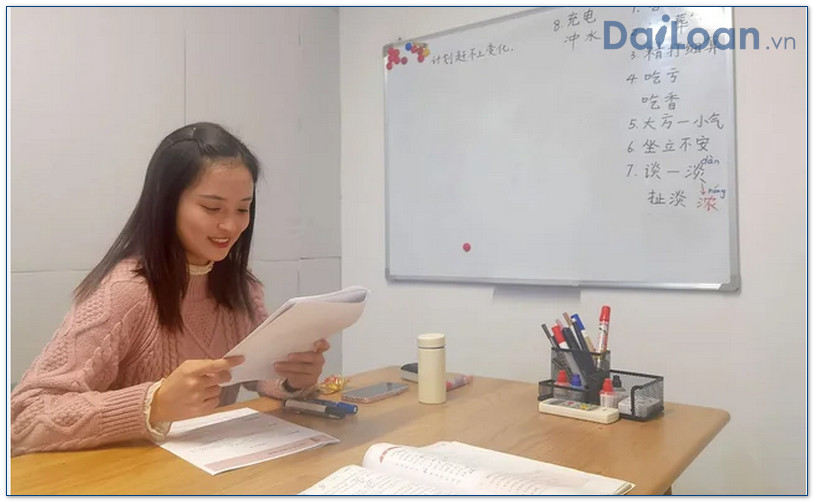

Examples of Using 半天 in Sentences
Here are a few examples demonstrating how to use 半天 effectively in sentences:
- 我花了半天时间来完成这项任务。 (Wǒ huāle bàn tiān shíjiān lái wánchéng zhè xiàng rènwù.)
- 他半天都在想着旅行的计划。 (Tā bàn tiān dōu zài xiǎngzhe lǚxíng de jìhuà.)
- 我们在公园里待了半天。 (Wǒmen zài gōngyuán lǐ dāile bàn tiān.)
This translates to: “I spent half a day finishing this task.” This sentence illustrates the usage of 半天 in the context of time spent on completing a specific job.
This translates to: “He spent half a day thinking about the travel plan.” Here, 半天 indicates a substantial period of time spent contemplating something significant.
This translates to: “We stayed in the park for half a day.” This example showcases the usage of 半天 to describe the duration of a leisurely activity.
Conclusion
Understanding the meaning and usage of 半天 (bàn tiān) equips learners of Chinese with a valuable expression for discussing time-related topics. Mastering such terms enhances conversational skills and comprehension, allowing for more natural interactions in the language.
If you have any questions or would like to explore more about Chinese expressions, feel free to ask!


Sứ mệnh của Chuyên là giúp đỡ và truyền cảm hứng cho các bạn trẻ Việt Nam sang Đài Loan học tập, sinh sống và làm việc. Là cầu nối để lan tỏa giá trị tinh hoa nguồn nhân lực Việt Nam đến với Đài Loan và trên toàn cầu.
CÓ THỂ BẠN QUAN TÂM
Du học Đài Loan
Lao Động Đài Loan
Việc Làm Đài Loan
Đơn Hàng Đài Loan
Visa Đài Loan
Du Lịch Đài Loan
Tiếng Đài Loan
KẾT NỐI VỚI CHUYÊN
Zalo: https://zalo.me/0936126566
Website: www.dailoan.vn