



The Chinese term 參觀 (cānguān) holds significant importance in various contexts, especially in education, tourism, and cultural exchanges. This article delves into its meaning, grammatical structure, and provides example sentences to help you grasp its usage in everyday conversational Chinese.
What Does 參觀 Mean?
The term 參觀 (cānguān) translates to “visit” or “tour” in English and primarily refers to visiting a place for the purpose of observation and learning. It often involves engaging with cultural, educational, or historical sites, making it a vital term for students, tourists, and professionals alike.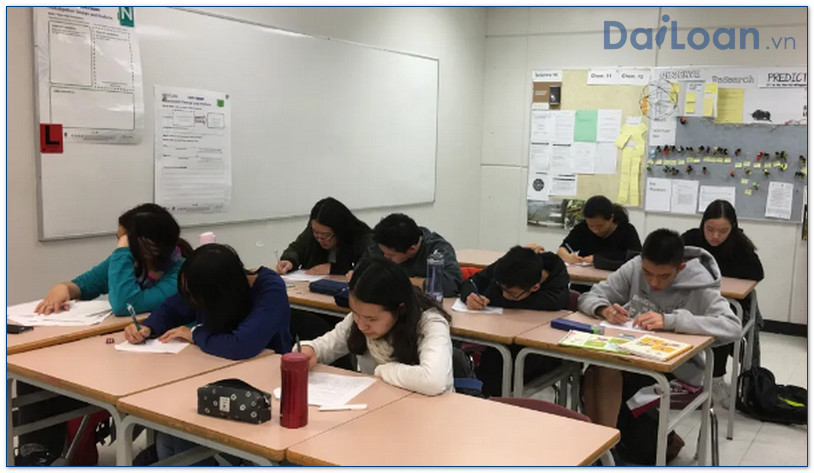

Grammatical Structure of 參觀
In Chinese, the term 參觀 is composed of two characters:
- 參 (cān): To participate or take part.
- 觀 (guān): To observe or watch.
Together, these characters convey the idea of actively participating in the act of observation.
Sentence Structure
In terms of grammatical structure, 參觀 is typically used as a verb. It can be modified by different subjects and objects in a sentence. Here’s the basic framework:
- Subject + 參觀 + Object
- Subject + 參觀 + Place
Additionally, you may encounter 參觀 used with auxiliary verbs and adverbs to indicate tense, mood, or intensity.
Example Sentences Using 參觀
1. Basic Usage
Here are some simple example sentences:
- 我明天要參觀博物館。(Wǒ míngtiān yào cānguān bówùguǎn.) – I will visit the museum tomorrow.
- 他們上個星期參觀了動物園。(Tāmen shàng gè xīngqī cānguānle dòngwùyuán.) – They visited the zoo last week.
2. Informal Conversations
In informal settings, you might encounter:
- 你想不想和我一起去參觀藝術展?(Nǐ xiǎng bùxiǎng hé wǒ yīqǐ qù cānguān yìshù zhǎn?) – Do you want to join me to visit the art exhibition?
- 我最近參觀了一個很有趣的地方。(Wǒ zuìjìn cānguānle yīgè hěn yǒuqù de dìfāng.) – I visited a very interesting place recently.
3. Formal Contexts
In formal situations, such as reporting or formal invitations, you might say:
- 我們誠邀您於下星期參觀我們的新辦公室。(Wǒmen chéng yāo nín yú xià xīngqī cānguān wǒmen de xīn bàngōngshì.) – We sincerely invite you to visit our new office next week.
- 該學校安排學生參觀當地企業。(Gāi xuéxiào ānpái xuéshēng cānguān dāngdì qǐyè.) – The school arranged for students to visit local businesses.
4. Cultural Insights
Visiting historical or cultural sites is deeply rooted in Chinese culture. For instance, one might say:
- 我計劃參觀故宮,了解中國的歷史。(Wǒ jìhuà cānguān Gùgōng, liǎojiě Zhōngguó de lìshǐ.) – I plan to visit the Forbidden City to learn about Chinese history.
Conclusion
The term 



Sứ mệnh của Chuyên là giúp đỡ và truyền cảm hứng cho các bạn trẻ Việt Nam sang Đài Loan học tập, sinh sống và làm việc. Là cầu nối để lan tỏa giá trị tinh hoa nguồn nhân lực Việt Nam đến với Đài Loan và trên toàn cầu.
CÓ THỂ BẠN QUAN TÂM
Du học Đài Loan
Lao Động Đài Loan
Việc Làm Đài Loan
Đơn Hàng Đài Loan
Visa Đài Loan
Du Lịch Đài Loan
Tiếng Đài Loan
KẾT NỐI VỚI CHUYÊN
Zalo: https://zalo.me/0936126566
Website: www.dailoan.vn