


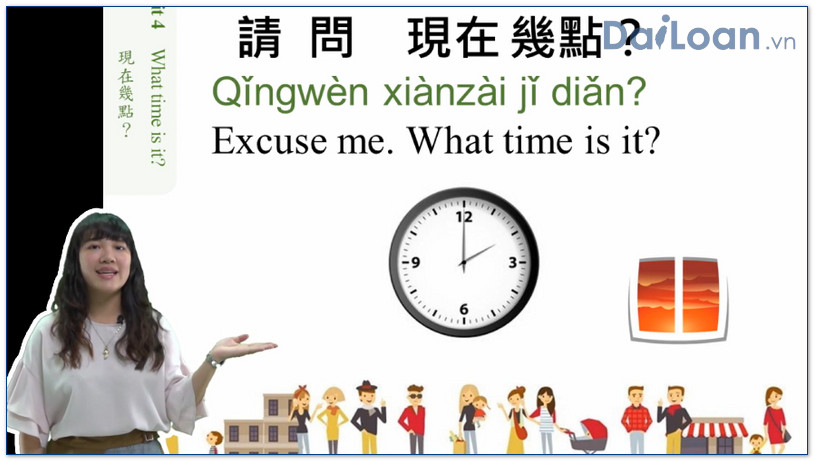
As a term frequently used in Chinese, 告誡 (gào jiè) plays an important role in conveying warnings, advice, and moral lessons. In today’s article, we will dive deep into its meaning, grammatical structure, and illustrate its usage with practical example sentences.
What Does 告誡 (gào jiè) Mean?
The Chinese term 告誡 (gào jiè) primarily translates to “to admonish,” “to warn,” or “to advise.” Often employed in contexts where caution or a recommendation is necessary, it carries connotations of wisdom and guidance. In essence, when someone uses this term, they are delivering an important message that serves to protect or inform others.
Detailed Meaning Breakdown
- 告 (gào): This character generally means “to tell,” “to announce,” or “to inform.”
- 誡 (jiè): This character conveys the idea of a warning or admonition.
When combined, 告誡 (gào jiè) encapsulates the act of delivering a serious message intended to guide someone’s behavior or decisions.
Grammatical Structure of 告誡
In terms of grammatical structure, 告誡 (gào jiè)

Structural Patterns
- Subject + 告誡 + Object
- Subject + 告誡 + Object + (to do something)
This structure allows speakers to specify who is delivering the admonition and to whom, as well as the actions advised or warned against.
Function in Sentences
It is essential to note that 告誡 can be used in both formal and informal contexts. It is often found in literature, speeches, or conversations where moral or ethical advice is provided.
Example Sentences Using 告誡
Sentence Examples
- 我告誡他不要輕易相信陌生人。
Translation: “I warned him not to easily trust strangers.” - 老師告誡我們努力學習。 (Lǎoshī gào jiè wǒmen nǔlì xuéxí.)
Translation: “The teacher advised us to study hard.” - 在這種情況下,我們必須要聽從告誡。 (Zài zhè zhǒng qíngkuàng xià, wǒmen bìxū yào tīngcóng gào jiè.)
Translation: “In this situation, we must heed the warnings.” - 父母經常告誡我們要注意安全。 (Fùmǔ jīngcháng gào jiè wǒmen yào zhùyì ānquán.)
Translation: “Parents often admonish us to pay attention to safety.”
Conclusion
In summary, 告誡 (gào jiè)

As always, we encourage readers to explore further and deepen their understanding of the Chinese language and culture. Happy learning!


Sứ mệnh của Chuyên là giúp đỡ và truyền cảm hứng cho các bạn trẻ Việt Nam sang Đài Loan học tập, sinh sống và làm việc. Là cầu nối để lan tỏa giá trị tinh hoa nguồn nhân lực Việt Nam đến với Đài Loan và trên toàn cầu.
CÓ THỂ BẠN QUAN TÂM
Du học Đài Loan
Lao Động Đài Loan
Việc Làm Đài Loan
Đơn Hàng Đài Loan
Visa Đài Loan
Du Lịch Đài Loan
Tiếng Đài Loan
KẾT NỐI VỚI CHUYÊN
Zalo: https://zalo.me/0936126566
Website: www.dailoan.vn