



What Does 地位 (dì wèi) Mean?
The term 地位 (dì wèi) in Mandarin Chinese translates to “status,” “position,” or “standing.” It is commonly used to describe one’s social status, rank, or the standing someone holds in a specific setting, be it cultural, professional, or personal. In Chinese society, understanding one’s 地位 is crucial as it often influences interpersonal relationships and social interactions.
Grammatical Structure of 地位
In terms of grammatical structure, 地位 is a noun phrase:
- 地 (dì): This character means “earth” or “ground,” which can metaphorically refer to a foundation or base.
- 位 (wèi): This character means “position” or “seat.” When combined, the phrase 地位 denotes a person’s position or status within a context.
It is important to note that 地位 functions as a noun in sentences and can be modified by various adjectives or descriptors to clarify the context of the status being referred to.
Example Sentences Using 地位
1. Social Context
In social discussions, you might hear:
她在公司中的地位很高。
(Tā zài gōngsī zhōng de dì wèi hěn gāo.)
Translation: “Her status in the company is very high.”
2. Family Context
When discussing family roles, consider this sentence:
在家庭中,父亲的地位通常是很重要的。
(Zài jiātíng zhōng, fùqīn de dì wèi tōngcháng shì hěn zhòngyào de.)
Translation: “In the family, the father’s position is usually very important.”
3. Educational Context
In an educational setting, one might say: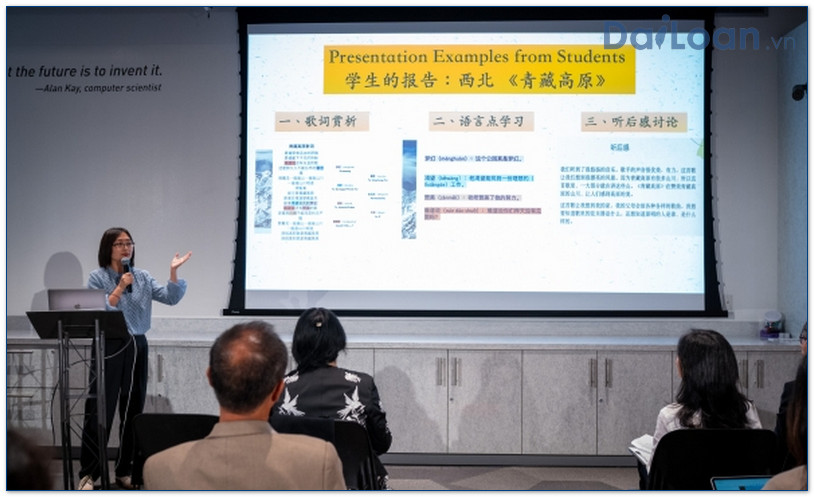

在学校里,每个学生的地位都是平等的。
(Zài xuéxiào lǐ, měi gè xuéshēng de dì wèi dōu shì píngděng de.)
Translation: “At school, every student’s status is equal.”
4. Professional Context
Discussing professional advancements might include:
提升地位需要努力和时间。
(Tíshēng dì wèi xūyào nǔlì hé shíjiān.)
Translation: “To elevate one’s status requires effort and time.”

Conclusion
Understanding the meaning and grammatical structure of 地位 (dì wèi) is essential for those seeking to grasp the nuances of Chinese communication related to status and position. Mastering its usage in various contexts can greatly enhance your fluency and ability to engage meaningfully in conversations.


Sứ mệnh của Chuyên là giúp đỡ và truyền cảm hứng cho các bạn trẻ Việt Nam sang Đài Loan học tập, sinh sống và làm việc. Là cầu nối để lan tỏa giá trị tinh hoa nguồn nhân lực Việt Nam đến với Đài Loan và trên toàn cầu.
CÓ THỂ BẠN QUAN TÂM
Du học Đài Loan
Lao Động Đài Loan
Việc Làm Đài Loan
Đơn Hàng Đài Loan
Visa Đài Loan
Du Lịch Đài Loan
Tiếng Đài Loan
KẾT NỐI VỚI CHUYÊN
Zalo: https://zalo.me/0936126566
Website: www.dailoan.vn