


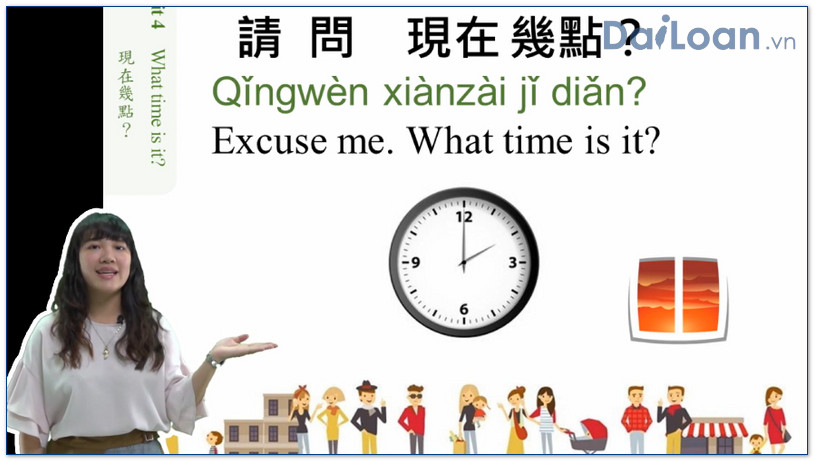
The Chinese phrase 堪稱 (kān chēng) is often encountered in conversations and written texts, yet many learners of the language find it challenging to grasp its full implication. This article aims to delve deeply into the meaning, grammatical structure, and provide illustrative examples to enhance your understanding.
What Does 堪稱 (kān chēng) Mean?
堪稱 (kān chēng) can be translated to mean “can be called,” “is worthy of being called,” or “can be regarded as.” It expresses a qualitative judgment about something or someone, suggesting that they meet certain standards worthy of a specific title or description.
Grammatical Structure of 堪稱
To fully appreciate the use of 堪稱, it’s essential to break down its grammatical components:
1. Components of 堪稱
- 堪 (kān):

- 稱 (chēng): A verb meaning “to call” or “to name.” It refers to the act of assigning a title or description.

2. Structure
The general structure of a sentence using 堪稱 typically follows the format:
Subject + 堪稱 + Title/Description
For example, “他堪稱是一位偉大的歌手。” (He can be called a great singer.) Here, “他” (he) is the subject, “堪稱” establishes the qualitative claim, and “一位偉大的歌手” (a great singer) is the title/description.
Example Sentences Using 堪稱
To further illustrate the use of 堪稱, here are some sentences that show its application in various contexts:
1. Academic Context
在我的觀點中,這篇論文堪稱是當代研究的里程碑。
Translation: In my opinion, this paper can be regarded as a landmark in contemporary research.
2. Cultural Context
他堪稱是中國繪畫的巨匠。
Translation: He can be called a master of Chinese painting.
3. Everyday Conversation
這個城市的風景堪稱美麗。
Translation: The scenery of this city can be called beautiful.
4. Professional Context
David堪稱是我們團隊中最出色的工程師。
Translation: David can be regarded as the most outstanding engineer in our team.
Common Mistakes to Avoid When Using 堪稱
While using 堪稱 can add depth to your descriptions, several common mistakes can undermine its effectiveness:
- Using it in Negative Contexts: This phrase generally carries positive connotations. Using it in a negative sentence can confuse the listener or reader.
- Overuse:

- Misplacement: Ensure it’s appropriately placed in the sentence structure to maintain clarity.

Conclusion
Understanding 堪稱 (kān chēng) enriches your vocabulary and enhances your ability to convey qualitative assessments in Chinese. Mastering its meaning, structure, and context allows learners and speakers alike to express themselves more eloquently. Remember to practice using it in various contexts to become more comfortable with this versatile expression.
Whether you are writing an academic paper, engaging in casual conversation, or partaking in professional dialogue, the correct application of 堪稱 can significantly impact the clarity and quality of your communication in Chinese.


Sứ mệnh của Chuyên là giúp đỡ và truyền cảm hứng cho các bạn trẻ Việt Nam sang Đài Loan học tập, sinh sống và làm việc. Là cầu nối để lan tỏa giá trị tinh hoa nguồn nhân lực Việt Nam đến với Đài Loan và trên toàn cầu.
CÓ THỂ BẠN QUAN TÂM
Du học Đài Loan
Lao Động Đài Loan
Việc Làm Đài Loan
Đơn Hàng Đài Loan
Visa Đài Loan
Du Lịch Đài Loan
Tiếng Đài Loan
KẾT NỐI VỚI CHUYÊN
Zalo: https://zalo.me/0936126566
Website: www.dailoan.vn