



Introduction
In the realm of the Chinese language, the term 大學生 (dàxuéshēng) holds significant importance, especially in educational contexts. In this article, we will explore the meaning of 大學生 (dàxuéshēng), its grammatical structure, and provide you with example sentences to enhance your understanding and usage of the word.
What is 大學生 (dàxuéshēng)?
The word 大學生 refers to a college student or university student in English. It is a compound word formed by two characters: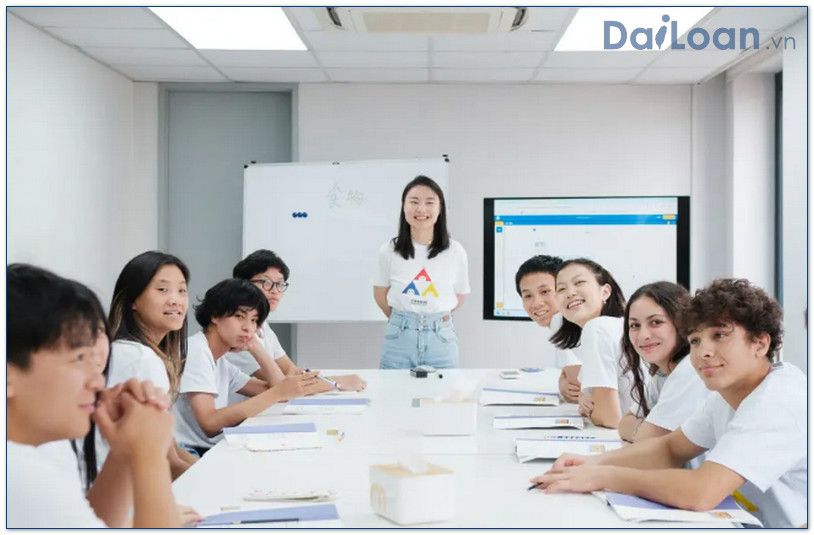

- 大 (dà): meaning “big” or “great”. In this context, it refers to higher education.
- 學生 (xuéshēng): meaning “student”.
Therefore, 大學生 (dàxuéshēng) literally translates to “great student” or “student of higher education”. It typically refers to a person who has graduated from high school and is currently pursuing a degree at a college or university.
Grammatical Structure of 大學生 (dàxuéshēng)
The grammatical structure of 大學生 (dàxuéshēng) can be analyzed as follows:
1. Noun Phrase
大學生 functions as a noun phrase in Chinese sentences. In general, the structure of noun phrases in Chinese is subject + noun + complement, which allows for flexibility in context.
2. Components Breakdown
Each character in the term contributes to its meaning: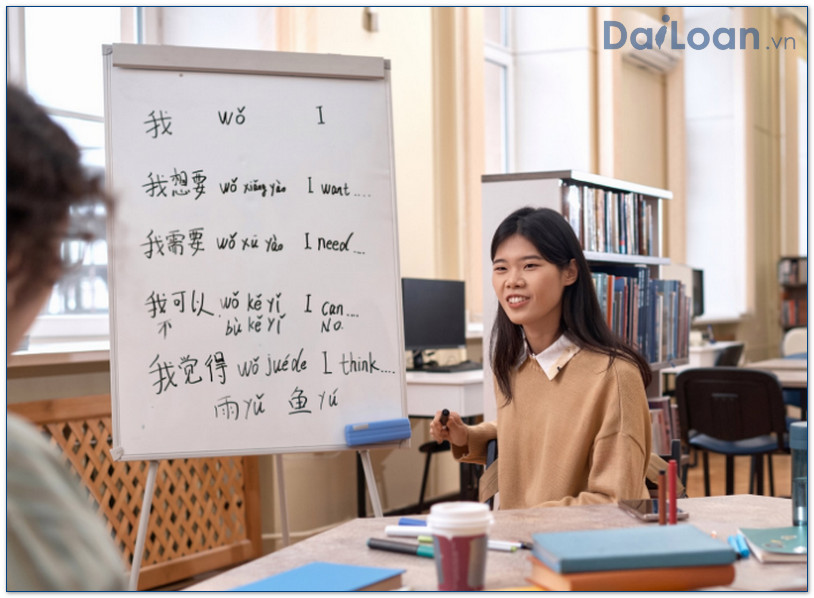

- 大 (dà): modifier that indicates the scope of education.
- 學生 (xuéshēng): the base noun indicating the person who is a student.
3. Usage as Subject or Object
大學生 (dàxuéshēng) can be used as the subject of a sentence, as in “The college student is studying hard,” or can also act as the object, such as in “I met a college student yesterday.”
Example Sentences Using 大學生 (dàxuéshēng)
To better understand how to use 大學生 (dàxuéshēng) in conversation, here’s a list of example sentences:
1. As a Subject
- 大學生需要認真學習。 (Dàxuéshēng xūyào rènzhēn xuéxí.) – “College students need to study seriously.”
- 許多大學生參加了這個工作坊。 (Xǔduō dàxuéshēng cānjiāle zhège gōngzuòfāng.) – “Many college students participated in this workshop.”
2. As an Object
- 我昨天遇見了一位大學生。 (Wǒ zuótiān yùjiànle yī wèi dàxuéshēng.) – “I met a college student yesterday.”
- 她是一名非常優秀的大學生。 (Tā shì yī míng fēicháng yōuxiù de dàxuéshēng.) – “She is an exceptional college student.”
3. In Contextual Sentences
- 在大學裡,大學生可以結識來自不同地方的朋友。 (Zài dàxué lǐ, dàxuéshēng kěyǐ jiéshì láizì bùtóng dìfāng de péngyǒu.) – “In university, college students can meet friends from different places.”
- 大學生的生活既忙碌又充實。 (Dàxuéshēng de shēnghuó jì mánglù yòu chōngshí.) – “The life of a college student is both busy and fulfilling.”
Conclusion
Understanding the term 大學生 (dàxuéshēng) is essential for students, educators, and anyone interested in the educational landscape of Chinese-speaking regions. With this knowledge of its meaning, grammatical structure, and practical examples, you are now better equipped to use this term in conversations.
Keep exploring the Chinese language and culture, and continue to enhance your communication skills.


Sứ mệnh của Chuyên là giúp đỡ và truyền cảm hứng cho các bạn trẻ Việt Nam sang Đài Loan học tập, sinh sống và làm việc. Là cầu nối để lan tỏa giá trị tinh hoa nguồn nhân lực Việt Nam đến với Đài Loan và trên toàn cầu.
CÓ THỂ BẠN QUAN TÂM
Du học Đài Loan
Lao Động Đài Loan
Việc Làm Đài Loan
Đơn Hàng Đài Loan
Visa Đài Loan
Du Lịch Đài Loan
Tiếng Đài Loan
KẾT NỐI VỚI CHUYÊN
Zalo: https://zalo.me/0936126566
Website: www.dailoan.vn