


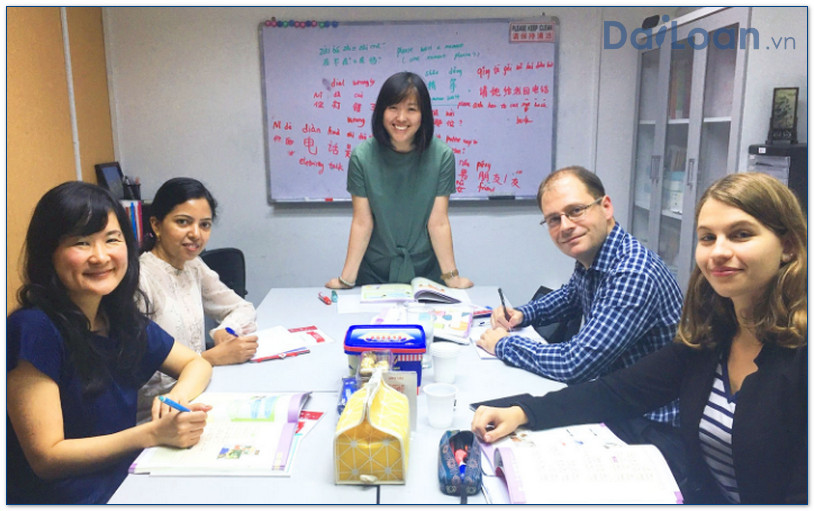
In Chinese culture, the concept of奉獻 (fèng xiàn) embodies the spirit of selflessness and dedication to others. This article will explore its meaning, grammatical structure, and provide example sentences to enhance your understanding of this profound term.
What Does 奉獻 (fèng xiàn) Mean?
奉獻 (fèng xiàn) translates literally to ‘dedicate’ or ‘devote.’ It conveys the idea of offering one’s time, efforts, or resources for the benefit of others, often in a self-sacrificing manner. This can apply in various contexts, including social work, personal relationships, or community service.
Cultural Significance of 奉獻
In Chinese culture,奉獻 (fèng xiàn) is highly regarded as a virtue. It reflects values such as altruism, teamwork, and a communal spirit. Whether it is through volunteering, helping friends and family, or contributing to society, the act of奉獻 is considered noble and worthy of respect.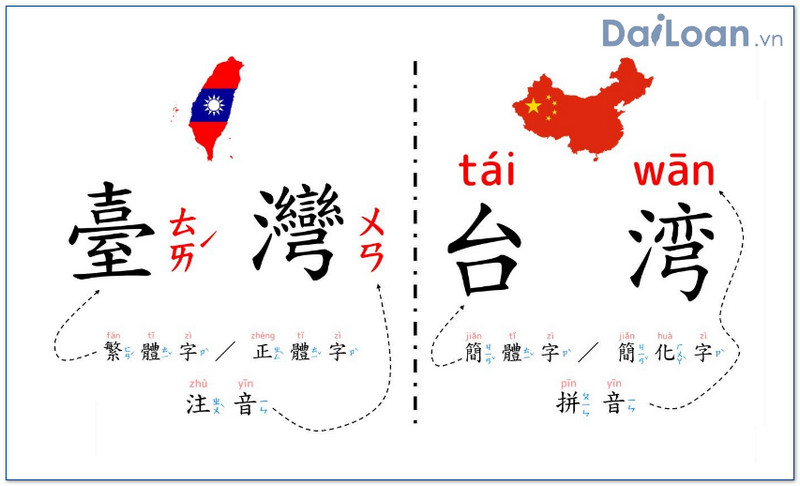

The Grammatical Structure of 奉獻 (fèng xiàn)
The word 奉獻 is composed of two characters:
- 奉 (fèng): This character means ‘to offer’ or ‘to present’ and indicates the act of giving.
- 獻 (xiàn): This character means ‘to contribute’ or ‘to dedicate.’ It emphasizes the act of putting forth efforts or resources.
Together, 奉獻 (fèng xiàn) forms a term that signifies the complete act of dedicating something valuable for the benefit of others.
Example Sentences Using 奉獻 (fèng xiàn)
1. Expressing Selflessness
在生活中,我们应该学会奉獻他人。
(In life, we should learn to奉獻 to others.)
2. Community Service Context
他每个周末都去养老院奉獻自己的时间。
(He dedicates his time to the nursing home every weekend.)
3. Family Relationships
父母为了孩子的未来,常常奉獻自己的青春和精力。
(Parents often奉獻 their youth and energy for their children’s future.)
4. Navigating Workplace Dynamics
为了团队的成功,我们应该毫无保留地奉獻。
(For the success of the team, we should奉獻 wholeheartedly.)
5. Volunteering and Philanthropy
许多人选择在假期期间奉獻帮助无家可归者。
(Many choose to奉獻 to help the homeless during the holidays.)

Conclusion
Understanding the term 奉獻 (fèng xiàn) not only enriches your Chinese vocabulary but also offers insight into the cultural values of selflessness and community care. By incorporating this term into your daily conversations, you can express a deeper appreciation for the act of giving in its many forms.


Sứ mệnh của Chuyên là giúp đỡ và truyền cảm hứng cho các bạn trẻ Việt Nam sang Đài Loan học tập, sinh sống và làm việc. Là cầu nối để lan tỏa giá trị tinh hoa nguồn nhân lực Việt Nam đến với Đài Loan và trên toàn cầu.
CÓ THỂ BẠN QUAN TÂM
Du học Đài Loan
Lao Động Đài Loan
Việc Làm Đài Loan
Đơn Hàng Đài Loan
Visa Đài Loan
Du Lịch Đài Loan
Tiếng Đài Loan
KẾT NỐI VỚI CHUYÊN
Zalo: https://zalo.me/0936126566
Website: www.dailoan.vn